
Dr. Pen Ultima A6S and A6 Review: Features, Safety and Who Should Use It
The Dr. Pen Ultima A6S and the earlier A6 are motorised microneedling pens sold widely online. They are marketed for both professional and home use, which is why so many people search for honest reviews before buying one.
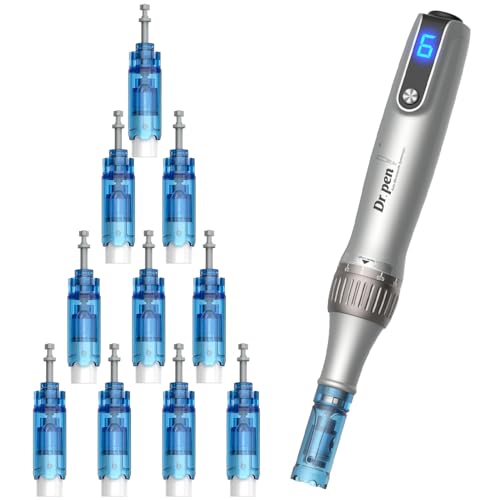
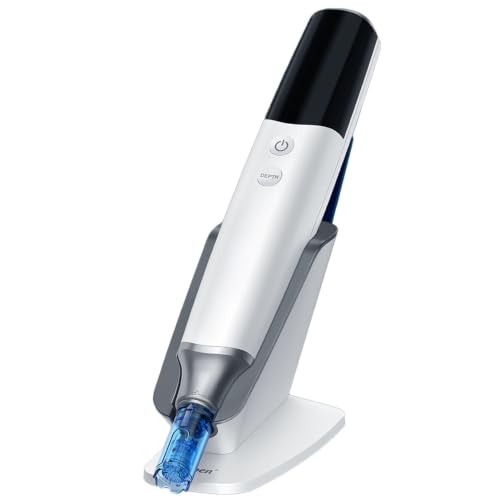
The Dr. Pen Ultima A6S is a motorised microneedling pen with adjustable speed and needle depth, interchangeable cartridges with different needle counts, and the option to run on its rechargeable batteries or plugged in, according to the maker’s user manual. The same manual stresses professional use. It can be a capable tool in trained hands, but at-home microneedling carries real risks, including infection, irritation, scarring and dark marks. The American Academy of Dermatology notes that home devices give less noticeable results than in-office treatment. If you are considering the A6S or A6 for scars or wrinkles, a dermatologist-performed treatment is usually safer and more effective.
In short: a well known pen with useful features, but microneedling is a medical-style procedure and home use needs great caution.
The American Academy of Dermatology explains that professional microneedling can fade acne scars over several sessions, while at-home devices carry risks such as infection and scarring.
If you are weighing up a purchase, this review covers the stated features of the A6S and A6, who might consider them, pros and cons, safety rules, common owner feedback and safer alternatives, so you can make an informed and careful decision.
Where to Buy the Dr. Pen Ultima A6S and Similar Options on Amazon


In This Guide
- What the Dr. Pen Ultima A6S and A6 Are
- A6S Features and Specifications
- Who Might Consider It and Who Should Not
- Pros and Cons
- Microneedling Risks You Need to Know
- How to Reduce the Risks If You Microneedle at Home
- What Owners Commonly Mention
- Safer Alternatives and Professional Options
- What Results to Expect and How Long They Take
- Dos and Don’ts
- Honest Limits
- When to See a Dermatologist
- Questions People Ask
- The Bottom Line
Quick Answer
- The A6S has adjustable speed and depth and uses interchangeable cartridges.
- The maker’s manual stresses professional use.
- It can run wirelessly on rechargeable batteries or plugged in.
- Home microneedling risks infection, scarring and pigmentation.
- The AAD says home devices give less noticeable results than in-office care.
- Always use a new sterile cartridge and never share it.
- A dermatologist is the safer route for scars and deep wrinkles.
What the Dr. Pen Ultima A6S and A6 Are
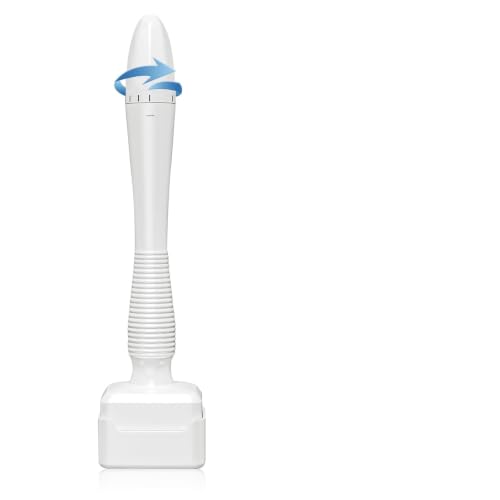
Microneedling pens use a motor to move a cartridge of fine needles rapidly up and down, creating tiny controlled punctures in the skin. The skin responds by starting a healing process that, over repeated treatments, can improve texture and the look of some scars. The A6S and A6 are pen-shaped devices built for this purpose, with a dial to set how far the needles extend and a button to change speed.
The A6 is the earlier model and the A6S is the later one in the Ultima line. They share the same general design and purpose. We could not confirm every difference between the two from the maker’s own documents, so if you are choosing between them, compare the current listing for battery set-up, speed levels and cartridge compatibility.
Features in this review come from the Dr. Pen A6S user manual published by the maker. We have not tested either pen, and specifications may vary by batch and seller, so check the listing and the included manual carefully.
A6S Features and Specifications
These are the main features we could confirm from the A6S manual. We have not listed claims we could not verify.
| Feature | What the manual states |
|---|---|
| Speed | Multiple speed levels, changed with the power button |
| Needle depth | Adjustable with a scale ring on the pen |
| Cartridges | 11, 16, 24, 36 and 42 needle options, plus nano cartridges |
| Power | Wireless on rechargeable batteries or wired use |
| Batteries in kit | Two rechargeable batteries and chargers |
| Intended user | The manual emphasises professional use |
| Warranty | Six months, per the manual |
Needle count matters. Lower counts concentrate the needles into a small area and are often used for targeted treatment, while higher counts spread the effect across a larger area. Nano cartridges do not penetrate the way standard needles do and are usually marketed for product infusion on the surface.
Who Might Consider It and Who Should Not
Microneedling is not suitable for everyone. The AAD lists several groups who should avoid it or postpone treatment.
| Person or situation | Suitable? | Reason |
|---|---|---|
| Trained practitioner | Yes, as intended | The manual emphasises professional use |
| Healthy skin, mild texture, shallow settings | Only with care | Lower risk, but still needs strict hygiene |
| Active acne or infection | No | Risk of spreading bacteria and scarring |
| History of keloid scars or poor healing | No | The AAD lists this as a reason to avoid |
| Recent isotretinoin | No | The AAD advises against microneedling |
| Weakened immunity or cancer treatment | No | Higher infection risk |
| Recent sunburn or tan | Postpone | Higher risk of irritation and dark marks |
The AAD’s page on microneedling to fade scars sets out these precautions and explains why professional treatment generally gives more significant results.
Pros and Cons
Here are the main strengths and weaknesses, based on the maker’s manual and on what is known about microneedling in general.
- Pro: adjustable depth and speed give a trained user control.
- Pro: a wide range of cartridges for different areas.
- Pro: wireless operation with spare batteries.
- Pro: widely available cartridges.
- Con: the manual emphasises professional use, yet it is sold widely to consumers.
- Con: deeper settings carry a real risk of injury and infection at home.
- Con: cartridges must be replaced every session, adding cost.
- Con: counterfeit pens and cartridges are a known problem when buying from unofficial sellers.
- Con: home results are usually less noticeable than professional treatment.
The biggest downside is not the pen itself but the gap between what it can do and what most people can safely do with it at home. A trained practitioner judges depth by area, skin thickness and reaction during treatment, works in a sterile set-up and knows when to stop. Those skills are hard to replicate in a bathroom mirror, which is why caution matters more than features.
Microneedling Risks You Need to Know
Microneedling creates wounds in the skin, however small. That is what makes it work, and also what makes it risky if done without proper technique and hygiene.
- Infection from non-sterile cartridges, dirty skin or reused needles.
- Scarring or tram-track marks from pressing too hard or dragging the pen.
- Dark marks, especially on deeper skin tones or after sun exposure.
- Irritation or allergic reactions from serums pushed into freshly needled skin.
- Spread of cold sores or warts from treated areas to other areas.
- Transmission of infections if a pen or cartridge is shared.
Never share cartridges, never reuse them, and never microneedle over active acne, cold sores, warts, rashes or broken skin. Stop and seek medical care if you notice spreading redness, heat, pus, fever or worsening pain after a session.
How to Reduce the Risks If You Microneedle at Home
If you decide to use a pen at home despite the risks, these general precautions lower the chance of problems. They are not a substitute for professional training.
Talk to a dermatologist first
Ask whether microneedling suits your skin and concern, and whether home use is sensible.
Buy from an authorised seller
Avoid counterfeit pens and cartridges from unknown sources.
Use a new sterile cartridge every time
Open it only when you are ready and discard it after one use.
Cleanse skin thoroughly
Start with clean hands, a clean face and a clean surface.
Stay at the shallowest settings
Deeper needling belongs in a clinic, not at home.
Keep aftercare simple
Use a gentle, fragrance-free moisturiser and avoid actives and makeup for a day.
Protect from the sun
Use broad-spectrum sunscreen and avoid sun exposure while skin heals.
Allow your skin to recover fully between sessions. More frequent or deeper treatment does not speed up results and raises the risk of damage.
What Owners Commonly Mention
Feedback on retail sites follows a few recurring themes. We summarise it in general terms rather than quoting individual reviews.
- Many users like the build quality and the cordless design.
- Some report improved texture over time, often alongside other treatments.
- A common complaint is the ongoing cost of cartridges.
- Some users report redness, pinpoint bleeding or irritation lasting longer than expected.
- Concerns about counterfeit products from third-party sellers come up regularly.
- Some buyers find the instructions too brief for safe home use.
Positive reports tend to come from people who used shallow settings, strict hygiene and patience. Negative ones often describe going too deep or too often. Because owner feedback is self-reported and rarely includes before and after photos taken in consistent conditions, treat it as a guide to common experiences rather than proof of results. Buying from an authorised seller also matters, since a pen or cartridge of unknown origin may not be sterile or built to the stated specification.
Safer Alternatives and Professional Options
If your goal is smoother texture or faded scars, there are options with a better balance of safety and results.
| Option | How it compares | Best for |
|---|---|---|
| Professional microneedling | Deeper, sterile, done by trained staff | Acne scars and texture |
| Shallow derma roller or stamp | Surface-level only, lower risk | Gentle texture support |
| Retinoid creams | Proven for texture and fine lines over time | Gradual improvement at home |
| Chemical peels | Controlled resurfacing | Pigmentation and texture |
| Laser resurfacing | Stronger, clinic only | Deeper scars and wrinkles |
Our comparison of laser facial vs microneedling explains how professional treatments differ, and our guide to the best facial treatment for acne scars covers the full range of options.
What Results to Expect and How Long They Take
Microneedling works gradually because it relies on the skin’s own repair process. Expecting quick results is one of the main reasons people overdo it.
- Right after a session: redness similar to mild sunburn, sometimes with slight swelling.
- First few days: redness fades; skin may feel dry or tight.
- After several weeks: texture may start to look smoother.
- After several months: the AAD says full results are typically seen after this time.
- Long term: results fade as collagen naturally declines, so maintenance may be needed.
For acne scars, the AAD notes that dermatologists may recommend a series of professional treatments spaced a few weeks apart. Home use at shallow settings will usually produce milder changes than that, so patience and realistic goals are essential. If you see no change after several months, that is a sign to get professional advice rather than to go deeper.
Dos and Don’ts
Try This
- See a dermatologist before starting
- Use a new sterile cartridge every session
- Stay at shallow settings at home
- Wear sunscreen daily afterwards
- Allow full healing between sessions
Avoid This
- Share or reuse cartridges
- Needle over acne, cold sores or broken skin
- Press hard or drag the pen
- Apply unknown serums to freshly needled skin
- Buy from unverified sellers
Honest Limits
Microneedling is backed by reasonable evidence for acne scars when done professionally over several sessions. That evidence does not automatically transfer to home use with a consumer-bought pen. The AAD notes that at-home devices give less noticeable results and carry risks, including infection and scarring.
A pen does not make you a practitioner. Technique, depth judgement, sterile set-up and knowing when not to treat all matter. For deep scars, significant wrinkles or skin of colour prone to dark marks, a dermatologist can choose settings and aftercare that reduce risk. After any treatment, remember that skin needs time to settle; our article on why you cannot wear makeup after microneedling explains the first days of aftercare.
When to See a Dermatologist
- Before starting microneedling for scars, wrinkles or pigmentation.
- If redness, swelling or pain lasts more than a few days.
- If you see signs of infection such as pus, heat or spreading redness.
- If you develop dark patches, new scars or raised scars after treatment.
This article is for general information and does not replace professional medical advice. Product details are based on the maker’s published manual and may change. Microneedling carries risks; speak to a board-certified dermatologist before treatment.
Questions People Ask
Is the Dr. Pen A6S good for home use?
It is sold to consumers, but the manual emphasises professional use.
What is the difference between the A6 and A6S?
The A6S is the later model; compare listings for battery and speed details.
Does the A6S work wirelessly?
Yes, it can run on rechargeable batteries or plugged in.
What cartridges fit the A6S?
The manual lists several needle counts and nano cartridges.
Can I reuse cartridges?
No, use a new sterile cartridge every session.
Does at-home microneedling work for acne scars?
Results are usually less noticeable than professional treatment.
Who should not microneedle?
People with active acne, keloids, poor healing or recent isotretinoin.
Is redness normal after microneedling?
Mild redness for a few days is common; worsening pain is not.
Can I wear makeup afterwards?
The AAD advises avoiding makeup for about 24 hours.
Is a derma roller safer?
Shallow rollers are lower risk but also give milder results.
The Bottom Line
The Dr. Pen Ultima A6S and A6 are capable microneedling pens with adjustable depth, speed and cartridges, but their manual emphasises professional use and home microneedling carries real risks.
If you want to treat scars or texture, speak to a dermatologist first, and if you do use a pen at home, stay shallow, stay sterile and give your skin time to heal.