LightStim for Wrinkles Review: Does This LED Therapy Device Work?
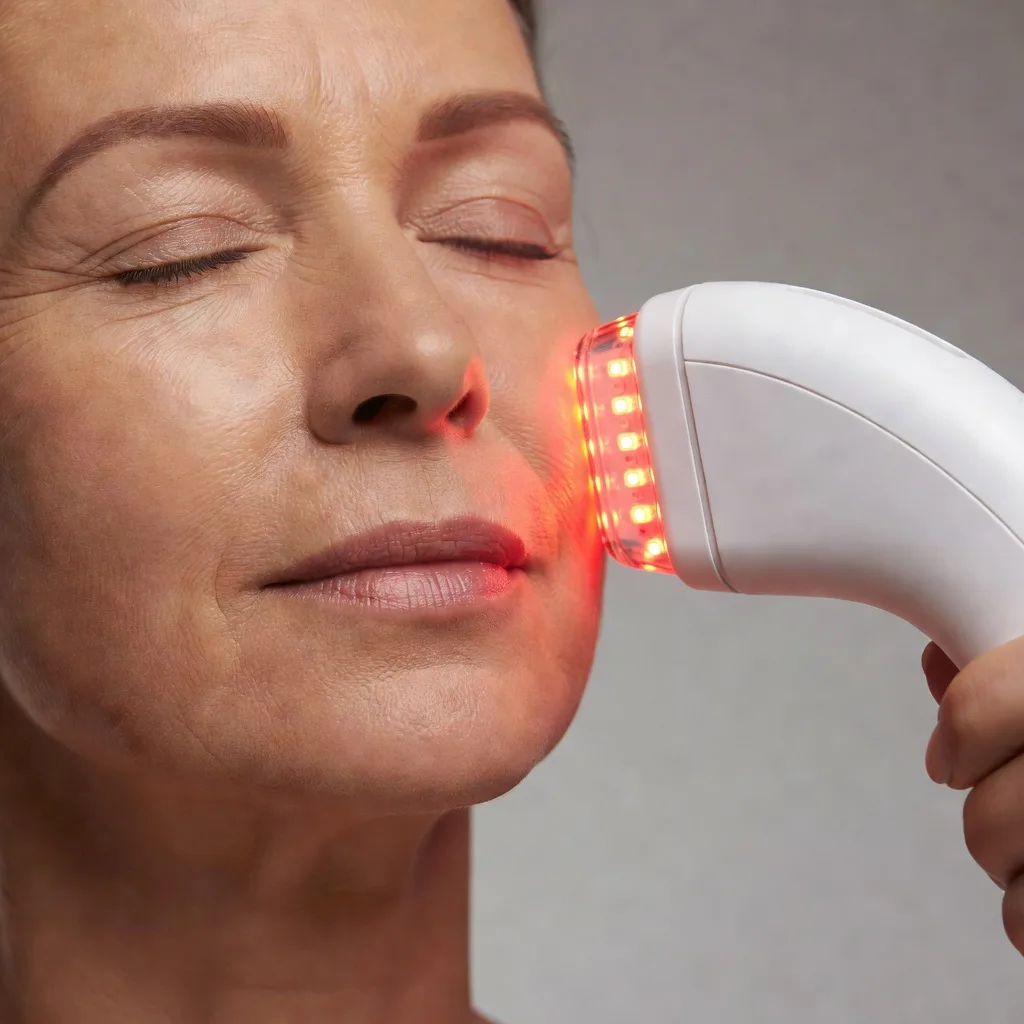
LightStim for Wrinkles is a handheld LED light therapy device designed for home use on facial wrinkles. Instead of a full face mask, it uses a compact head of lights that you hold against one area of skin at a time, moving around the face in short treatment sessions.
Part of our guide to at-home facial devices. Start with: 10 Best LED Light Therapy Masks (2026): Clearer Skin, Softer Lines
LightStim for Wrinkles is a reasonable option if you want a well-established, handheld LED device for gradual, modest softening of fine lines and you are willing to use it consistently for weeks. Retailer listings describe 72 LEDs across amber, light red, dark red and infrared wavelengths, a treatment time of three minutes per area, use no more than once a day, and FDA clearance for treating wrinkles. Its limits are that results from home LED devices are typically subtle, treating a whole face area by area takes time, and it will not replace sunscreen, retinoids or professional treatments for deeper lines.
In short: a credible home LED tool for mild, gradual improvement, not a fast fix for deep wrinkles.
The American Academy of Dermatology stresses daily broad-spectrum sunscreen as one of the most effective ways to protect skin from sun damage, which is a leading cause of wrinkles, and that step matters whatever device you use.
This review explains how LightStim for Wrinkles works, what FDA clearance does and does not mean, who it suits and who should skip it, its honest limits, how to use it safely and how it compares with other LED options. It is based on published product information and general dermatology guidance, not our own testing.
Shopping these picks?
Amazon Prime members get fast, free shipping on eligible items, plus Prime Video, Amazon Music and member deals. New members can start with a free trial.
Start a free Prime trialAged 18 to 24? Prime for Young Adults comes with a longer free trial and a lower price after it.
Affiliate link: we may earn a commission at no extra cost to you.
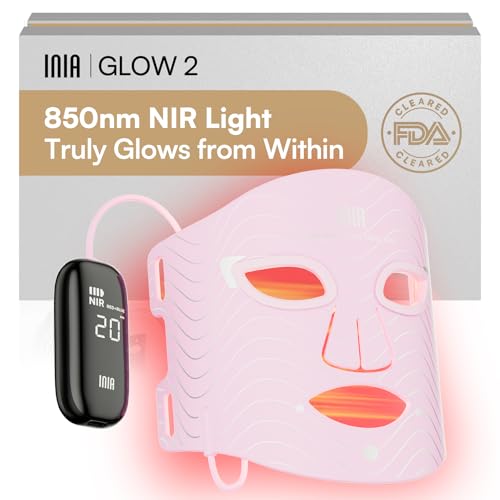
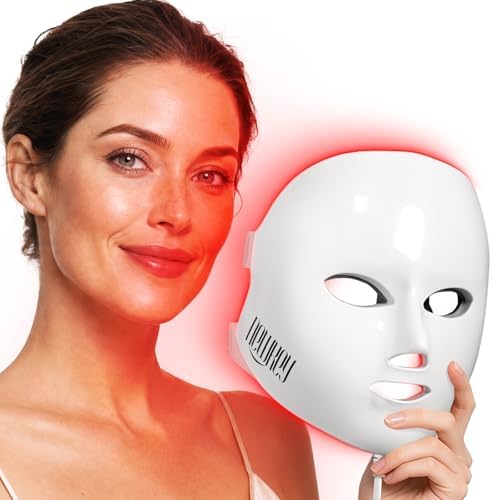
Where to Buy LightStim for Wrinkles and Similar LED Devices on Amazon

Contents
- What LightStim for Wrinkles Is
- Key Features and Specifications
- What FDA Clearance Means (and What It Does Not)
- Does LED Therapy Reduce Wrinkles?
- Who LightStim for Wrinkles Suits and Who Should Skip It
- How to Use LightStim for Wrinkles at Home
- Safety, Eyes and Light Sensitivity
- Why Sunscreen Still Matters Most
- Dos and Don’ts
- Honest Limits
- When to See a Dermatologist
- FAQ
- Summing Up
What to Know First
- LightStim for Wrinkles is a handheld LED device for home wrinkle treatment.
- Listings describe 72 LEDs in amber, light red, dark red and infrared.
- Sessions are about three minutes per area, no more than once a day.
- The device is described as FDA-cleared for wrinkles, which is not the same as FDA-approved.
- Results are usually gradual and modest, and depend on consistent use.
- Daily sunscreen and proven topicals remain the foundation for wrinkle prevention.
- People on light-sensitising medicines or with eye conditions should get advice first.
What LightStim for Wrinkles Is
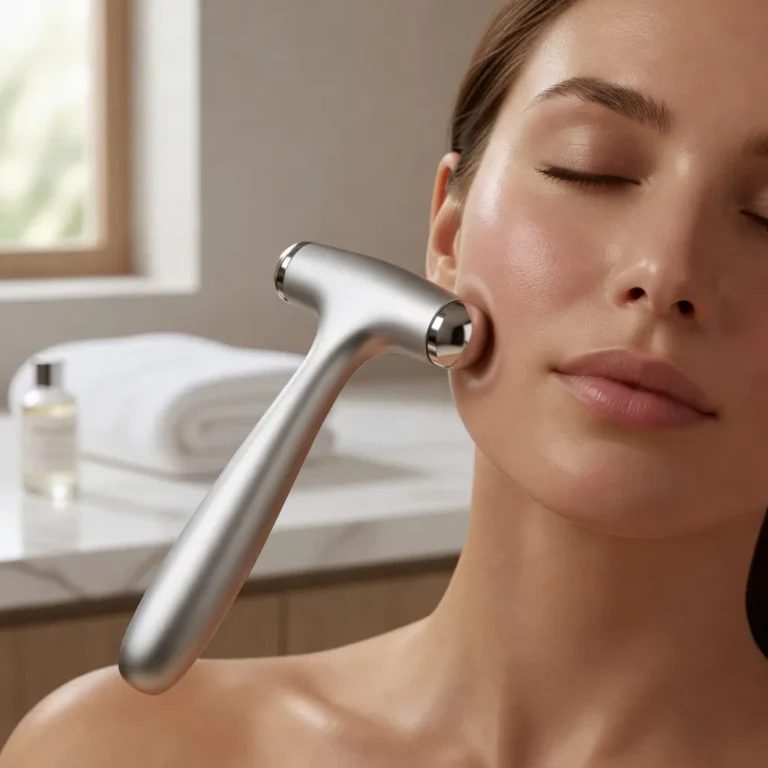
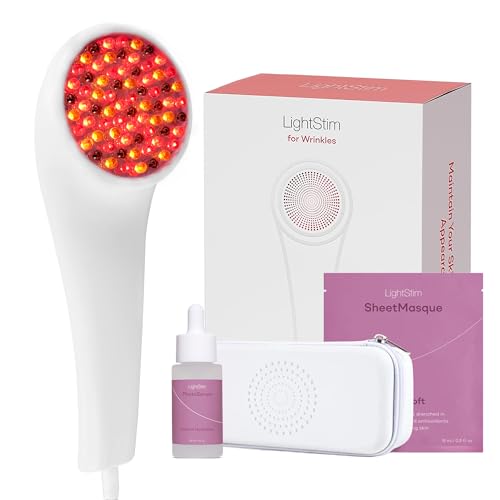
LightStim is one of the better-known names in home LED therapy, and its Wrinkles device is the model aimed at fine lines and signs of ageing. The device has a rounded head filled with LEDs and a handle, similar in shape to a large hand-held torch. You hold the head against the skin, keep it in place for a few minutes, then move to the next area.
The idea behind LED therapy is that certain wavelengths of visible and near-infrared light interact with skin cells without heat or damage. Red and near-infrared light are the wavelengths most often studied for skin ageing, while amber light is sometimes included for its effect on the look of redness and tone. Unlike lasers or radiofrequency devices, LED devices do not injure the skin to trigger repair, which is why they are considered gentle and why their results are usually modest.
Bundles sold by retailers often include extras such as a serum, a sheet mask and a storage case. The device itself is the part that does the LED work; the extras vary between sellers.
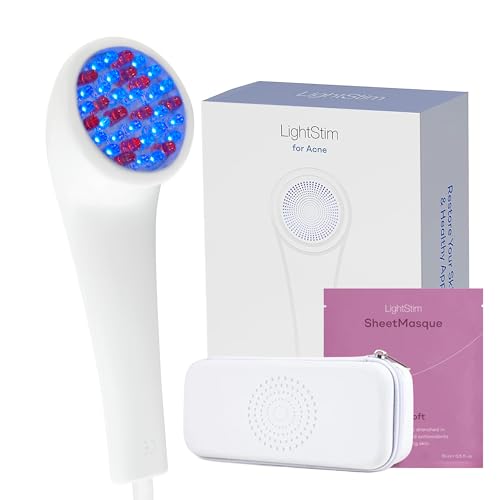
LightStim makes several devices, including models for acne and for pain. Check that the listing says LightStim for Wrinkles before buying, because the devices look similar but use different wavelengths for different purposes.
Key Features and Specifications
The table below reflects features commonly published by authorised retailers. Always check the specific listing, because bundles and colours change.
| Feature | What listings describe |
|---|---|
| Device type | Handheld LED light therapy device |
| Wavelengths | Amber, light red, dark red and infrared |
| Number of LEDs | 72 |
| Treatment time | About 3 minutes per area |
| Frequency | No more than once a day |
| Regulatory status | Described as FDA-cleared to treat wrinkles |
| Upkeep | Described as maintenance free, with no cartridges to replace |
| Common bundle extras | Serum, sheet mask, storage case (varies by seller) |
Using several wavelengths at once is a common design choice in LED devices aimed at ageing skin. The maker does not publish full energy output details in most retail listings, so it is hard to compare its strength directly with other devices. What matters most in practice is how consistently you use it.
What FDA Clearance Means (and What It Does Not)
You will often see LED devices described as FDA-cleared. Clearance is a regulatory pathway for many lower-risk medical devices, where the maker shows the device is substantially equivalent to one already on the market for the same use. It is different from approval, which usually involves a more extensive review.
For a buyer, clearance is a useful signal that the device has gone through a regulatory review for its intended use, in this case wrinkles. It does not mean the device will work dramatically for everyone, and it does not mean it is better than other cleared devices. Treat it as a basic quality check rather than a promise of results.
It is also worth remembering that marketing language for LED devices can run ahead of the evidence. Phrases such as rejuvenate skin describe the maker’s goal rather than a measured outcome for every user.
Does LED Therapy Reduce Wrinkles?
Research on red and near-infrared LED light for skin ageing suggests it can lead to small improvements in the look of fine lines, skin texture and firmness in some people when used regularly over several weeks. The effect is generally described as gentle and gradual, and studies vary in design, device strength and treatment schedules.
That makes LED therapy best seen as a supporting step. It is unlikely to change deep expression lines, significant sagging or heavy sun damage. For those, dermatologists more often recommend topical retinoids, professional procedures or injectables. Our guide to the best treatments for facial wrinkles compares these options side by side.
| Approach | Typical strength of effect | Effort and downtime |
|---|---|---|
| Daily sunscreen | Strong for prevention | Low effort, no downtime |
| Topical retinoids | Well established for fine lines | Daily use, possible irritation early on |
| Home LED device | Mild, gradual | Regular sessions, no downtime |
| Professional light or laser treatments | Moderate to strong | Clinic visits, some downtime |
| Injectables | Strong for expression lines | Clinic visits, repeat treatments |
Who LightStim for Wrinkles Suits and Who Should Skip It
- Good fit: people with early fine lines who want a gentle, no-downtime home routine.
- Good fit: people who prefer a handheld device for targeting specific areas such as around the eyes, mouth or forehead.
- Good fit: people who can commit to short daily sessions for several weeks.
- Maybe: people with sensitive skin who cannot tolerate strong retinoids, as long as they still protect their skin from the sun.
- Skip: people expecting results similar to lasers, fillers or injectables.
- Skip or ask first: anyone taking medicines that make skin more sensitive to light, or with a light-sensitive condition.
- Skip or ask first: people with eye conditions, or anyone who has had seizures triggered by light.
If you would rather treat the whole face at once, a mask-style device may suit you better. Our guide to the best LED facial masks for acne and wrinkles covers that category.
How to Use LightStim for Wrinkles at Home
Always follow the instructions supplied with your device. This general routine reflects common guidance for handheld LED tools.
Cleanse your face
Remove makeup and sunscreen so the light reaches clean, dry skin.
Charge or plug in the device
Make sure it is ready so sessions are not cut short.
Protect your eyes
Avoid looking directly into the lights, and use eye protection if provided or recommended.
Treat one area at a time
Hold the head against the skin for the recommended time, about three minutes per area.
Move around the face
Work across forehead, around the eyes, cheeks, mouth area and neck as directed.
Keep to the schedule
Use it no more than once a day, and stay consistent for several weeks.
Follow with skincare and SPF
Apply moisturiser afterwards, and sunscreen every morning.
Pair LED sessions with a fixed daily habit, such as your evening skincare routine. Consistency over weeks matters far more than any single session.
Safety, Eyes and Light Sensitivity
LED devices for home use are generally considered low risk, but they are not risk free. The most common issues are mild redness or warmth, and discomfort from bright light near the eyes.
- Check with a doctor or pharmacist if you take medicines or use products known to increase light sensitivity.
- Stop using it if you notice a rash, burning, blistering or darkening of the skin.
- Do not use it over active infections, open wounds or suspicious moles.
- Keep sessions to the recommended time; longer is not better.
Do not stare into the LEDs. Bright light and infrared close to the eyes can be uncomfortable and may be unsafe for people with eye conditions. If you have a history of light-triggered seizures, speak to a doctor before using any LED device.
Why Sunscreen Still Matters Most
No home device can undo daily sun exposure. The FDA’s guide to sunscreen explains that broad-spectrum sunscreen helps protect against the ultraviolet light that contributes to early skin ageing, alongside shade and protective clothing. The American Academy of Dermatology also has clear advice on how to apply sunscreen properly.
If you only have time or budget for one anti-wrinkle habit, sunscreen will do more than an LED device. LED therapy can be a pleasant extra on top, not a replacement.
The same goes for your wider routine. A gentle cleanser, a moisturiser that suits your skin type and, if you tolerate it, a retinoid at night all do more of the heavy lifting against fine lines than light therapy alone. If you are adding an LED device to a routine that already includes active ingredients, introduce one change at a time so you can tell what your skin is reacting to.
For a broader look at how clinic-based LED sessions compare with home tools, see our explainer on LED anti-ageing facials.
Dos and Don’ts
Helps
- Use it on clean, dry skin
- Keep to about three minutes per area
- Stay consistent for several weeks
- Protect your eyes during sessions
- Wear sunscreen every day
Backfires
- Expect laser-like results
- Use it more than once a day
- Stare into the lights
- Use it over broken or infected skin
- Skip advice if you take light-sensitising medicines
Honest Limits
This review relies on published product information and general dermatology guidance, not our own testing. Results from LED devices vary widely between people, and the studies behind LED therapy for wrinkles are generally small with different devices and schedules.
A handheld device also takes time. Treating the forehead, both eye areas, cheeks, mouth and neck at a few minutes each adds up to a noticeable daily commitment, and results fade if you stop. Deep wrinkles, sagging and volume loss need different treatments. Bundle extras such as serums are not proof that the device works better, and their ingredients should be checked if you have sensitive skin. Finally, a device only helps if you actually use it, so be realistic about whether daily sessions fit your life.
When to See a Dermatologist
- You want significant improvement in deep lines or sagging.
- You notice redness, burning or pigment changes after using the device.
- You have a skin condition, eye condition or take medicines that affect light sensitivity.
- A mole or spot in the treatment area changes in size, shape or colour.
This article is for general information and does not replace professional medical advice. Product details, bundles and regulatory status can change, so check current information before buying. See a board-certified dermatologist for personalised advice on wrinkles and light-based treatments.
FAQ
What is LightStim for Wrinkles?
A handheld LED light therapy device for home wrinkle treatment.
What wavelengths does it use?
Listings describe amber, light red, dark red and infrared.
How long is each session?
About three minutes per area, as described by retailers.
How often can I use it?
No more than once a day, according to listings.
Is it FDA-approved?
It is described as FDA-cleared, which is different from approval.
How soon will I see results?
Any change is usually gradual over several weeks of regular use.
Can it remove deep wrinkles?
No, deep lines usually need other treatments.
Can I use it around my eyes?
Many people do, but avoid looking into the lights and follow the instructions.
Do I still need sunscreen?
Yes, daily sunscreen remains essential.
Is a mask better than a handheld device?
A mask treats the whole face at once; a handheld targets specific areas.
Summing Up
LightStim for Wrinkles is a well-known handheld LED device with multiple wavelengths, short sessions and FDA clearance for wrinkles, best suited to people wanting gentle, gradual help with fine lines.
Use it consistently, protect your eyes, keep daily sunscreen and proven topicals at the heart of your routine, and see a dermatologist if you want bigger changes.
Keep reading: LED light therapy
- 10 Best Face and Neck LED Massagers (2026): Gentle Light, Real Limits
- 10 Best Acne Light Therapy Devices (2026): Masks vs Spot Tools
- What Is an LED Anti-Aging Facial? Red Light, Results and Safety
- 10 Best LED Light Therapy Masks (2026): Clearer Skin, Softer Lines
- Best Anti-Breakout Skin Therapy Wand for Hormonal Acne: Blue Light Guide
- 10 Best Products for Women's Facial Hair Removal (2026): Gentle Picks
- 10 Best Gua Sha Facial Tools (2026): Stone and Steel Picks Compared