Best Anti-Breakout Skin Therapy Wand for Hormonal Acne: Blue Light Guide
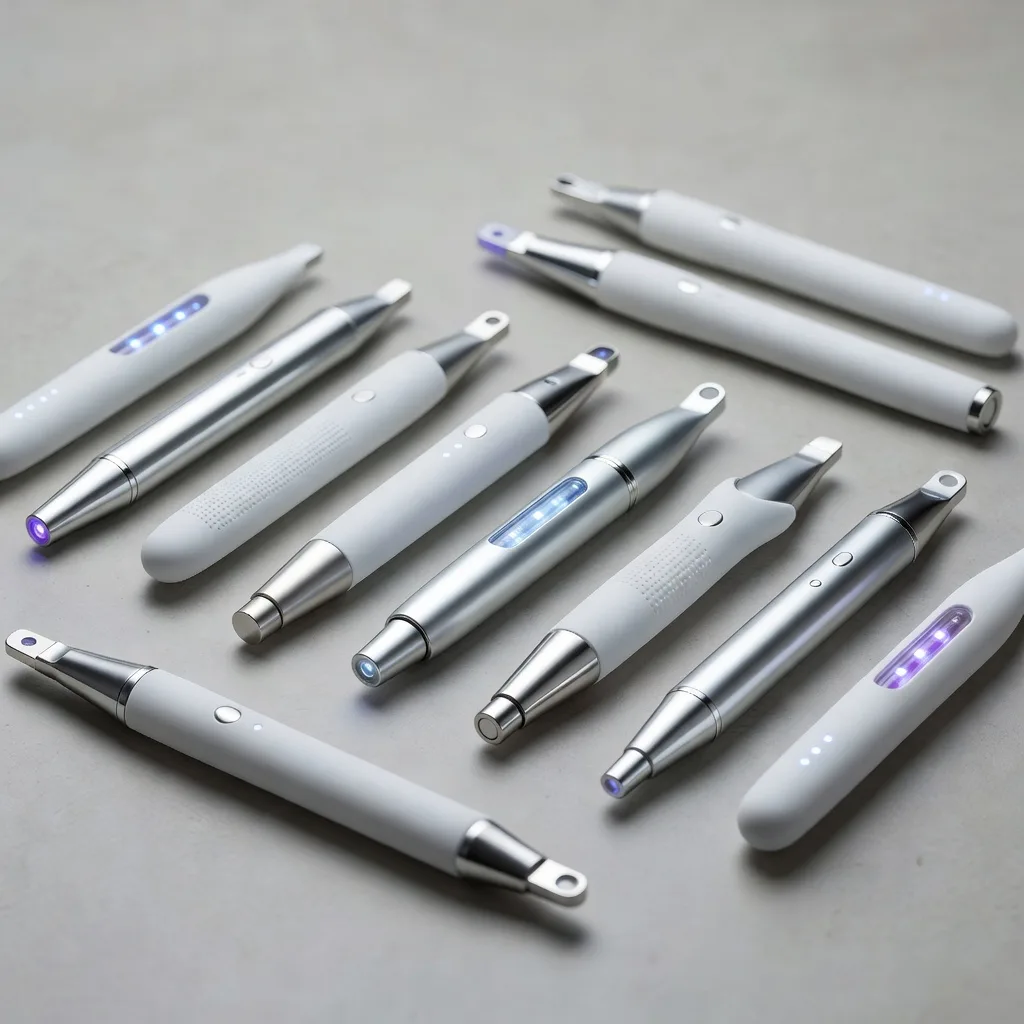
Anti-breakout skin therapy wands are small handheld devices that shine blue light, sometimes combined with red light, onto individual spots or small areas of skin. They promise a drug-free way to calm pimples, which makes them appealing if you get monthly breakouts along the chin and jaw. They can help some spots, but they are not a cure for hormonal acne.
Part of our guide to at-home facial devices. Start with: 10 Best LED Light Therapy Masks (2026): Clearer Skin, Softer Lines
The best anti-breakout skin therapy wand for hormonal acne is a blue light device, or a combined blue and red light device, with clear treatment times, eye protection guidance and a head sized for the spots you actually get. Blue light targets acne-causing bacteria and may reduce red, inflamed pimples when used regularly for several weeks. It does not treat blackheads, whiteheads, deep cysts or nodules, and it does not change the hormones that drive breakouts. For most people with hormonal acne, a wand works best as an add-on to proven topical or prescription treatment, not a replacement.
In short: a blue light wand may calm some inflamed spots, but deep, recurring hormonal acne needs a dermatologist.
The American Academy of Dermatology says at-home blue light devices can treat pimples but are less powerful than in-office treatments, usually need twice-daily use for several weeks, and do not work on blackheads, whiteheads, cysts or nodules.
This buyer’s guide explains how these wands work, which features matter, how to use one safely and what to pair it with for hormonal breakouts.
Shopping these picks?
Amazon Prime members get fast, free shipping on eligible items, plus Prime Video, Amazon Music and member deals. New members can start with a free trial.
Start a free Prime trialAged 18 to 24? Prime for Young Adults comes with a longer free trial and a lower price after it.
Affiliate link: we may earn a commission at no extra cost to you.
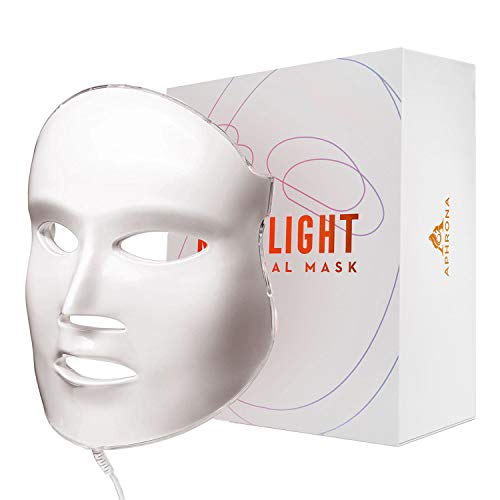
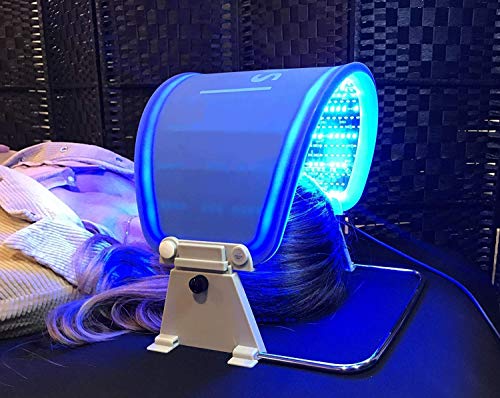
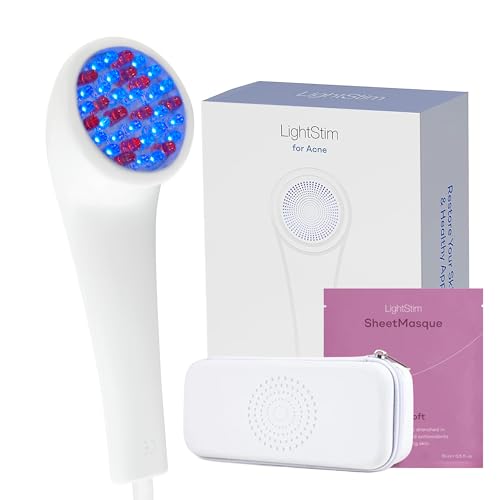
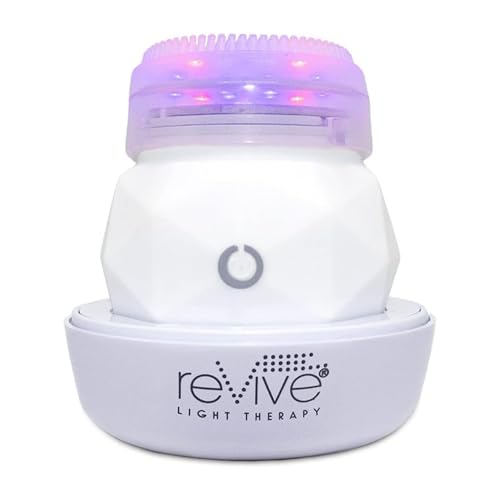
Recommended Blue Light Acne Wands on Amazon


What This Covers
- How Blue Light Acne Wands Work
- Can a Wand Help Hormonal Acne?
- Features to Look For in an Acne Wand
- What the Evidence Shows
- Wand, Mask or Topical Treatment?
- How to Use a Blue Light Acne Wand
- Safety and Side Effects
- A Simple Routine for Hormonal Breakouts
- Getting the Most From an Acne Wand
- Dos and Don’ts
- Honest Limits
- When to See a Dermatologist
- Frequently Asked Questions
- Where This Leaves You
The Short Version
- Blue light targets acne bacteria and may calm red, inflamed pimples.
- It does not treat blackheads, whiteheads, cysts or nodules.
- Home wands are weaker than in-clinic light treatments.
- Results need consistent use over several weeks.
- Hormonal acne often needs topical or prescription treatment.
- Protect your eyes and follow the device’s time limits.
- See a dermatologist for deep, painful or scarring acne.
How Blue Light Acne Wands Work
Acne develops when pores clog with oil and dead skin cells and bacteria called Cutibacterium acnes multiply inside them. These bacteria make natural compounds called porphyrins that react to blue light. When blue light hits them, the reaction creates molecules that damage the bacteria, which can reduce the inflammation that turns a clogged pore into a red, sore pimple.
Many wands also include red light, which reaches slightly deeper and is thought to calm inflammation and support healing. Evidence for red light on its own is weaker, but combined devices are common. For a wider look at how visible light affects skin, see our guide on the effects of blue light on skin cells.
Blue light does nothing to the oil production, clogged pores or hormone signals that start hormonal acne. It works on one part of the process, which is why it is best used alongside other treatments.
Can a Wand Help Hormonal Acne?
Hormonal acne is a common description for breakouts that flare with the menstrual cycle, cluster on the lower face, jaw and neck, and often appear as tender, deeper bumps. Hormones called androgens increase oil production, which feeds clogged pores and bacteria.
| Type of spot | Will a blue light wand help? | What usually works better |
|---|---|---|
| Red, inflamed pimples | May help with regular use | Benzoyl peroxide, topical retinoids, light therapy as an add-on |
| Pus-filled pustules | May help calm them | Benzoyl peroxide, prescription topicals |
| Blackheads and whiteheads | No | Retinoids, salicylic acid |
| Deep, painful cysts and nodules | No | Dermatologist care, prescription treatment |
| Monthly jawline flares | Partly, for surface spots | Hormonal treatment from a doctor, retinoids |
| Dark marks after spots | No | Sunscreen, retinoids, time |
If your breakouts are mostly deep and tender along the jaw, a wand will likely disappoint on its own. Pairing gentle skincare with a proven topical and, if needed, prescription treatment gives far better odds.
Features to Look For in an Acne Wand
- Blue light, or blue plus red, with the wavelength stated clearly on the label.
- A treatment head sized for spot treatment or small areas like the chin.
- A built-in timer that switches off automatically.
- Clear instructions on sessions per day and total weeks of use.
- Eye safety guidance, and ideally included protective glasses.
- A smooth, easy-to-clean head if it touches the skin.
- A rechargeable battery that holds charge for a full treatment course.
Be wary of wands that claim to cure acne in days, work on every type of spot or replace all other treatment. Devices that list no wavelength, timing or safety information are hard to use correctly. A larger, brighter head is not automatically better; what matters most is using the device consistently as directed.
Think about how you will actually use it. A small spot wand is ideal if you get a handful of pimples at a time, but it becomes tedious if you are treating a dozen spots across the chin and jaw every evening. In that case a wider head, or a full-face device, may be easier to stick with.
What the Evidence Shows
Studies on blue light for acne show modest improvement in inflamed spots for some people, usually after several weeks of regular sessions. Results vary widely, and home devices are lower powered than the ones used in clinics.
The American Academy of Dermatology explains on its page about lasers and lights for acne that multiple treatments give better results than a single session and that improvement takes time. It also notes that light treatments are usually used together with other acne treatments rather than instead of them.
The honest summary is that a blue light wand can be a helpful extra for mild to moderate inflamed acne, particularly for people who cannot tolerate some topical products. It is not a first-line treatment for hormonal acne.
In-office light treatments differ too. Dermatologists can use stronger light sources and sometimes apply a light-sensitising solution first, a treatment called photodynamic therapy, which can give stronger results but also more redness, peeling and downtime than any home wand.
Wand, Mask or Topical Treatment?
| Option | Coverage | Effort | Strength of evidence |
|---|---|---|---|
| Handheld blue light wand | Single spots or small areas | Daily sessions per spot | Modest, for inflamed spots |
| LED face mask | Whole face at once | Daily sessions | Modest, varies by device |
| Benzoyl peroxide | Whole affected area | Once or twice daily | Well established |
| Topical retinoid | Whole affected area | Once daily at night | Well established |
| Prescription hormonal treatment | Addresses the cause | Doctor supervised | Well established for suitable patients |
If you get breakouts across the whole lower face, a mask may be more practical than a wand. Our guide to the best LED facial mask for acne and wrinkles compares full-face devices.
How to Use a Blue Light Acne Wand
Read the device instructions
Note the session time, number of sessions per day and total course length.
Cleanse and dry the skin
Remove makeup, sunscreen and oil so light reaches the skin.
Protect your eyes
Close your eyes and wear protective glasses if provided; never shine it into the eyes.
Treat each spot for the set time
Hold the head on or just above the spot until the timer ends.
Move to the next area
Treat each spot or section once per session, without doubling up.
Follow with your usual routine
Apply your acne treatment, moisturiser and, in the morning, sunscreen.
Stay consistent
Use it as directed for several weeks before judging results.
Keep a simple photo diary in the same light once a week. Acne naturally rises and falls with your cycle, so comparing weeks side by side is the only fair way to judge whether the wand is helping.
Safety and Side Effects
Home blue light devices are generally low risk when used as directed, but they are not risk-free.
- Mild redness, dryness or a warm feeling after sessions.
- Irritation if combined with strong exfoliants in the same routine.
- Possible darkening of existing marks in some medium to deep skin tones.
- Eye strain or discomfort if the light is not shielded.
Do not use a light therapy device if you take medicines that make you sensitive to light, have a light-sensitive condition such as lupus or porphyria, or have a history of light-triggered seizures, unless your doctor agrees. Stop if you develop blisters, burning or swelling.
A Simple Routine for Hormonal Breakouts
A wand works best inside a steady routine. Gentle care helps the skin tolerate proven treatments, which do most of the work.
- Cleanse twice a day and after sweating with a gentle, non-comedogenic cleanser.
- Use a proven acne ingredient such as benzoyl peroxide, adapalene or salicylic acid.
- Moisturise with a light, oil-free product.
- Wear sunscreen daily, especially with retinoids.
- Keep hands off spots and avoid picking or squeezing.
- Give any new treatment six to eight weeks before judging it.
The AAD’s acne skin care tips recommend gentle products and warn against scrubbing and picking. Our guide to the best facial cleanser for hormonal breakouts covers the cleansing step in more detail.
Getting the Most From an Acne Wand
Small details decide whether a wand is worth the effort. Because the effect of blue light builds slowly, the biggest reason people see no benefit is stopping too early or using the device only when a spot appears.
- Start treating at the first sign of redness rather than waiting until a spot is large and sore.
- If your breakouts follow your cycle, use the wand through the week before you usually flare, not just during it.
- Charge the device in advance so a flat battery does not break your routine.
- Clean the head after each use if it touches the skin, especially when moving between spots.
- Keep your other acne products steady so you can tell what is making a difference.
Remember that one spot healing in a few days is not proof the wand worked; many pimples settle on their own in that time. Judge the device by how many new inflamed spots you get over two or three cycles, not by a single blemish.
Dos and Don’ts
Try This
- Use the wand consistently for several weeks
- Protect your eyes
- Cleanse before each session
- Pair it with proven acne treatment
- Wear daily sunscreen
Avoid This
- Expect it to clear cysts or blackheads
- Exceed the recommended session time
- Use it with light-sensitising medicines without advice
- Pick or squeeze spots
- Rely on it instead of seeing a dermatologist
Honest Limits
Research on handheld blue light wands is limited and often small, short or funded by manufacturers. Home devices are weaker than clinic lights, and many people see little change. Blue light does not reduce oil production or rebalance hormones, so hormonal acne usually returns if the underlying drivers are not treated. The best you can reasonably expect is fewer or calmer inflamed spots with regular use, as one part of a broader plan. Claims that a wand shrinks pores, fades scars, balances hormones or clears acne permanently are not supported by good evidence, and a device should never delay treatment for acne that is deep or scarring.
When to See a Dermatologist
- Deep, painful cysts or nodules, especially along the jaw.
- Acne that leaves scars or dark marks.
- Breakouts that do not improve after two to three months of consistent care.
- Acne with irregular periods, excess hair growth or sudden weight change.
- Acne that affects your mood or confidence.
A dermatologist can offer prescription topicals, oral treatments and hormonal options, and can advise whether in-office light therapy is worth adding.
This article is for general information and does not replace medical advice. Hormonal acne can be linked to conditions that need medical assessment. See a board-certified dermatologist or your doctor for persistent, painful or scarring acne, and check with them before using light therapy if you take regular medication.
Frequently Asked Questions
Does blue light work for hormonal acne?
It may calm surface inflamed spots, but not the hormonal cause.
Can a blue light wand treat cystic acne?
No, cysts and nodules need dermatologist care.
How long until I see results?
Usually several weeks of regular use.
Is blue or red light better for acne?
Blue targets bacteria; red may calm inflammation. Many wands combine both.
Can I use a wand every day?
Yes, if the instructions allow; follow the time limits.
Is blue light safe for dark skin?
Usually, but watch for darkening of existing marks.
Do I need eye protection?
Yes, never shine the light into your eyes.
Can I use it with retinoids?
Usually, but watch for extra dryness or irritation.
Does blue light remove acne scars?
No, it does not treat scars or dark marks.
Will acne return if I stop?
It often does if the underlying causes are not treated.
Where This Leaves You
The best anti-breakout skin therapy wand for hormonal acne is a clearly labelled blue or blue and red light device with a timer and eye safety guidance, used consistently for several weeks on inflamed spots.
Treat it as a helpful extra rather than a cure, pair it with proven acne treatments and gentle skincare, and see a dermatologist if your breakouts are deep, painful, scarring or tied to other hormonal symptoms.

Written by
Registered pharmacist and founder of Facial Adviser. Rakib's pharmacy training covers how skincare actives work and interact; a later course in cosmetology turned that into a focus on facial treatments and skincare products. He plans, researches and edits every guide on the site and checks health claims against sources such as the American Academy of Dermatology, the FDA and the NIH. He is not a dermatologist; see the Editorial Policy and Medical Disclaimer.
About · Editorial policy · How we choose products · Medical disclaimer · Contact
Keep reading: LED light therapy
- 10 Best LED Light Therapy Masks (2026): Clearer Skin, Softer Lines
- Best Mask-Friendly LED Therapy Cap for Combined Treatments: Buyer's Guide
- 10 Best LED Face Masks for Acne and Wrinkles (2026): Blue and Red
- Does Blue Light Damage Your Skin? Screens vs Sunlight
- LightStim for Wrinkles: Does This LED Therapy Device Work?
- 10 Best Face and Neck LED Massagers (2026): Gentle Light, Real Limits
- How to Incorporate Microcurrent Into Your Routine: Gel, Timing and Safety
- 10 Best Products for Women's Facial Hair Removal (2026): Gentle Picks