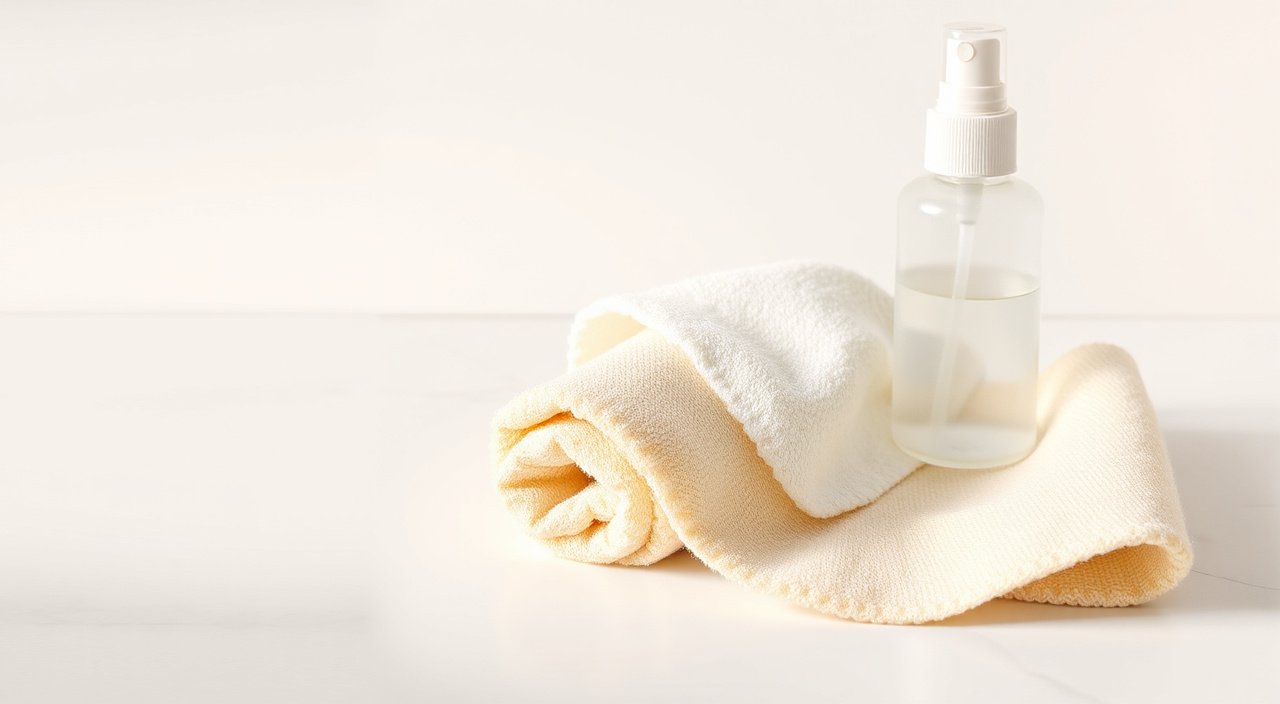
How to Clean an LED Face Mask (and Make It Last)
An LED or red light face mask sits right against your skin for ten to twenty minutes at a time. It picks up oil, sweat, sunscreen residue and bacteria, just like a pillowcase.
Part of our guide to at-home facial devices. Start with: 10 Best LED Light Therapy Masks (2026): Clearer Skin, Softer Lines
Cleaning it after use is simple, but you have to do it the right way, because it is an electronic device and water can damage it.
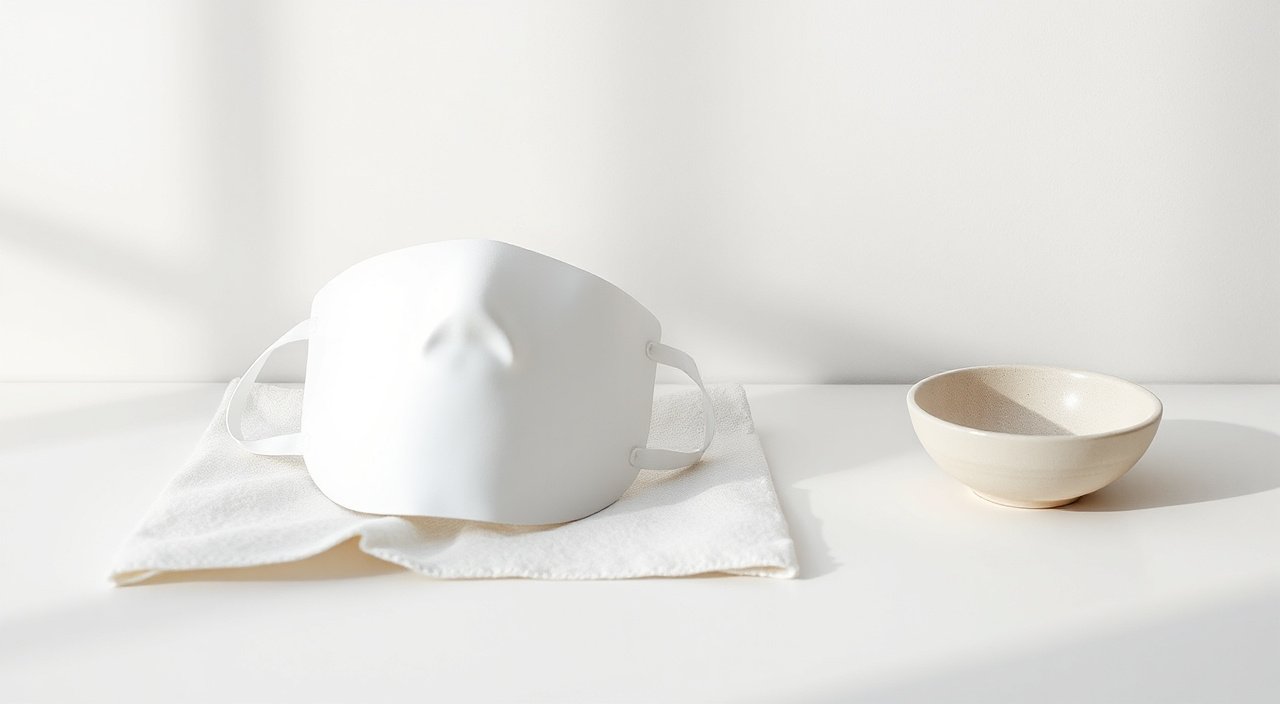
Most makers recommend wiping the inside surface with a soft, lightly damp cloth or a gentle wipe after each session, with a deeper clean about once a week. Never submerge a mask or spray liquid directly onto the LEDs.
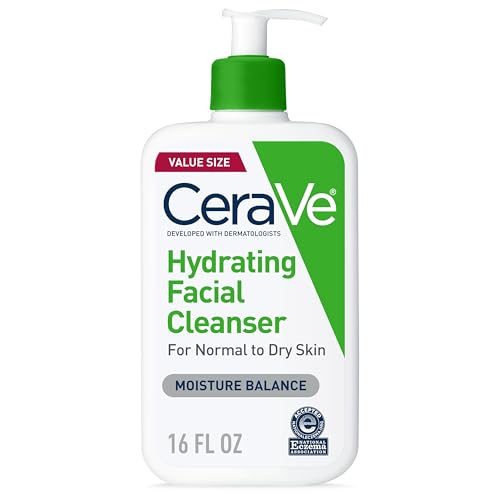
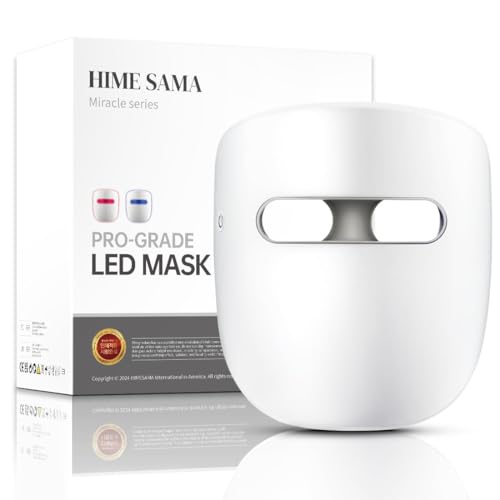
LED Masks and Cleansers to Consider

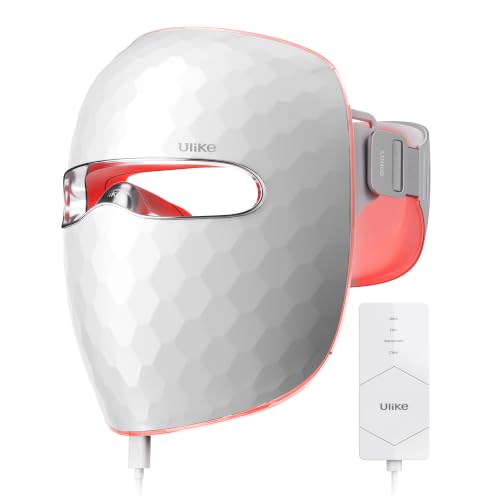

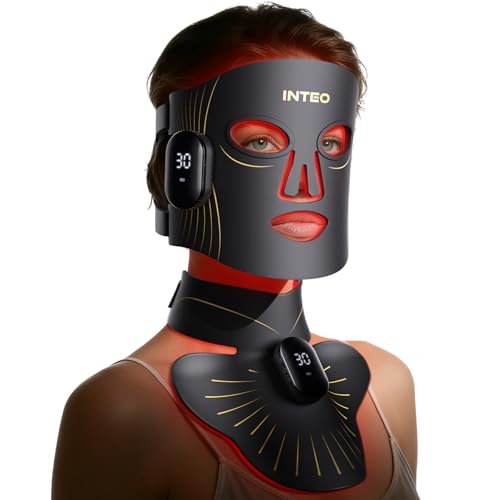
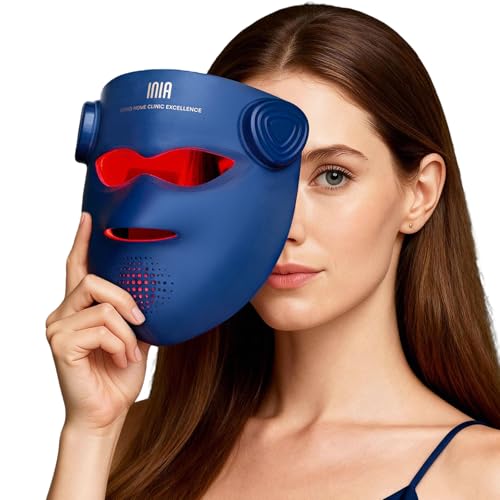
Black Friday is coming: shop the deals with Prime
A clean mask is also more comfortable, because oil and sweat can make silicone feel tacky.
Use the steps below as a checklist and keep your manual nearby.
Cleaning only takes a few minutes, but it makes a visible difference to comfort and hygiene.
Regular care protects the device, your skin and the money you spent on it.
The best advice is to read your own manual. Materials, coatings and cable connections differ, and some makers advise against alcohol while others allow it.
This guide explains what to clean, what to avoid, how to build a short routine, how to store the mask and when to ask for help. It is general advice and does not replace the maker’s instructions.
I am Rakib Sarwar, a registered pharmacist with a cosmetology course, and I focus on safe, practical routines.
In Brief
- Unplug and let the mask cool before cleaning.
- Wipe the skin-contact side with a soft, lightly damp cloth.
- Never submerge the mask or spray liquid on the LEDs.
- Follow the maker’s advice on alcohol and cleaners.
- Use the mask on clean skin to keep it cleaner.
- Store it dry, flat and away from heat.
What This Covers
Why You Should Clean Your LED Mask
Skin oil, sweat, sunscreen and leftover products transfer to the mask surface. Over time that buildup can cloud the lens or silicone and become a place where bacteria grow.
If you notice irritation after sessions, rule out a dirty mask first. Clean it, switch to a gentler cleanser and give your skin a few days before restarting.
Keep a soft microfiber cloth next to the mask so cleaning becomes part of the session instead of a chore you postpone.
Many people forget the outer surface and straps, which touch hair, pillows and hands. Those areas pick up dust and styling products, so give them a quick wipe as well.
Think about where the mask is kept. A mask left on a bathroom counter collects steam, hairspray and dust. A clean drawer or its original case keeps it noticeably cleaner between sessions.
A dirty mask can also contribute to breakouts or irritation, especially if you have acne-prone or sensitive skin. Keeping it clean also helps the device last longer and keeps the light output consistent.
Cleaning takes only a couple of minutes if you do it regularly. Waiting until buildup is visible makes the job harder.
| Habit | How often | Why |
|---|---|---|
| Wipe the inside surface | After each use | Removes oil and sweat |
| Deeper clean with a gentle cleaner | About weekly | Clears buildup |
| Clean straps and cable | Weekly or as needed | These collect sweat too |
| Check for damage | Monthly | Catches cracks and worn parts |
Before You Clean: Safety First
Always unplug or turn off the mask and let it cool. Removing the battery pack or disconnecting the controller reduces the chance of a short circuit.
Wash your hands before handling the mask, too. Oils and product from your fingers end up on the inner surface just as easily as from your face.
If your mask has an app or a controller with a screen, keep that dry as well. Wipe the controller with a barely damp cloth and never let liquid run into the ports.
Check cables for fraying or bent connectors before each cleaning. A damaged cable is a safety risk and should be replaced with the maker’s recommended part, not a random charger.
Check the manual for cleaning instructions. If it says not to use alcohol or certain cleaners, follow that.
Never clean the mask while it is lit, and never look straight at the LEDs. Even if you are only wiping the surface, it is better to turn the device fully off first.
Cleaning advice is not the same for every mask. Silicone, fabric and plastic masks may need different care.
What Your Mask Is Made Of Matters
Silicone masks are flexible and usually wipe clean easily with a damp cloth or a mild wipe. Hard plastic masks can scratch and cloud if wiped with rough cloths. Fabric-backed masks are harder to clean and may need spot treatment only.
Some masks include a removable fabric liner or a disposable cover. Replace or wash these as directed, and let them dry completely before putting them back.
Coatings and lenses can wear over time with frequent wiping. Use the lightest cleaning method that works, and avoid pressing hard on the LEDs themselves.
If you see peeling, cracking or discoloration on the inner surface, stop using the mask and contact the maker. A damaged inner surface can be harder to clean and may irritate skin.
Do not use abrasive pads, bleach, strong solvents or acetone-based wipes. They can damage coatings and make surfaces sticky or cloudy.
| Material | Gentle cleaning method | Avoid |
|---|---|---|
| Silicone | Damp cloth or mild wipe | Soaking and harsh solvents |
| Hard plastic | Soft microfiber cloth | Abrasive pads |
| Fabric straps | Spot clean or follow the label | Machine washing unless allowed |
| Cables and controllers | Dry or barely damp cloth | Any liquid |
How to Clean an LED Face Mask
A short routine after each session prevents most buildup.
After cleaning, hold the mask up to the light and look for streaks or cloudy spots. If any remain, repeat the wipe with a fresh section of cloth.
If your skin is oily or you use a lot of product, do the deeper clean twice a week instead of weekly. Add a dry pass at the end to remove lint left by the cloth.
Keep cleaning supplies simple. A mild, fragrance-free soap, a microfiber cloth and clean water are enough, and there is no need for special sprays unless the maker sells one for the mask.
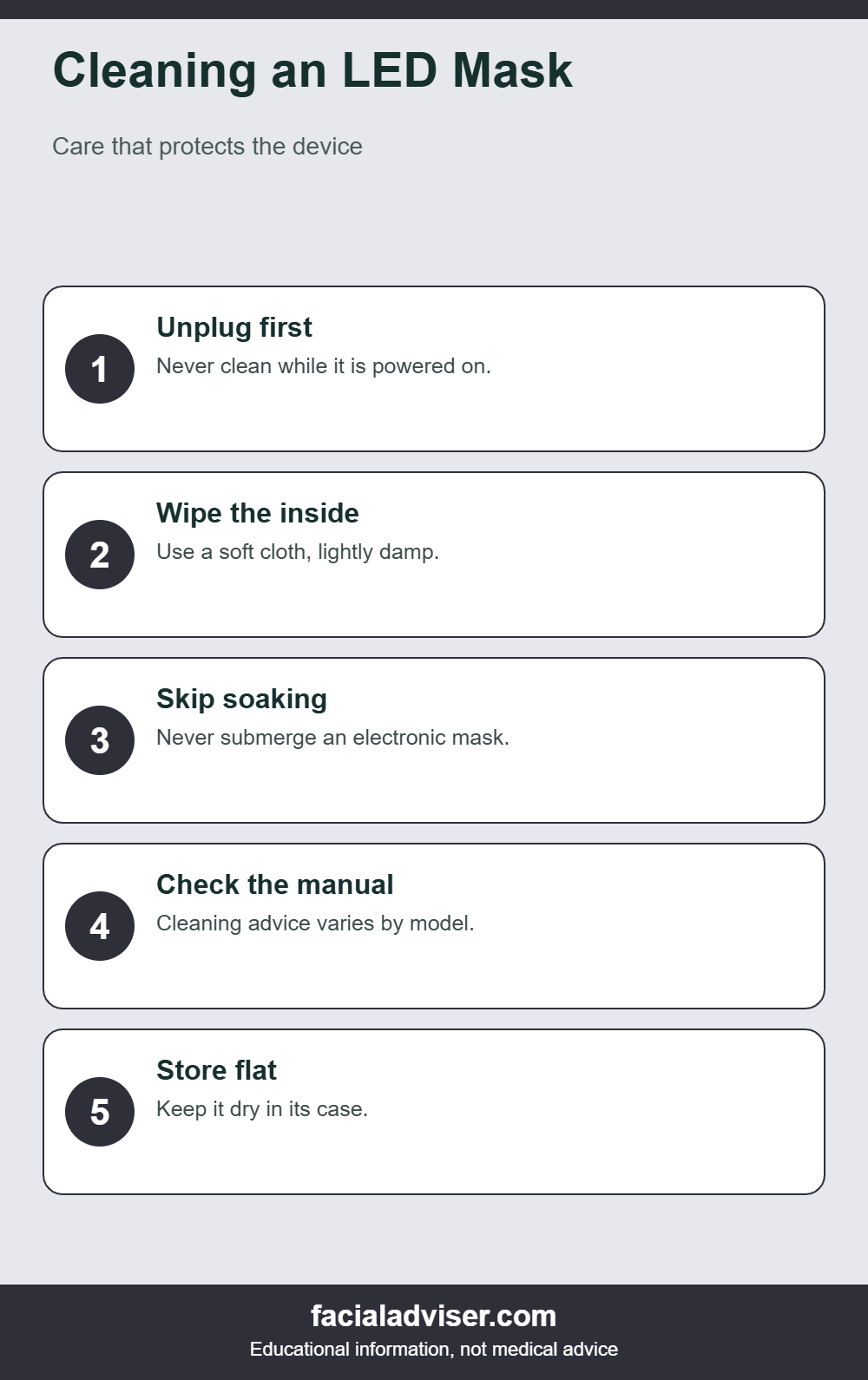
Turn it off and unplug
Power down, disconnect the cable and let the mask cool.
Wipe the inside surface
Use a soft, lightly damp microfiber cloth with a drop of mild soap, or a gentle wipe approved by the maker.
Wipe again with a clean damp cloth
Remove any soap residue without leaving the surface wet.
Dry fully
Pat with a dry cloth and let it air dry before storing.
Clean straps and connectors
Wipe straps and cable with a barely damp cloth, keeping moisture away from ports.
Store properly
Place it in its case or on a clean, dry surface away from heat.
Do not submerge the mask, spray liquid directly on it or use it while damp. Water inside the electronics can cause damage or shock.
Keep the Mask Cleaner by Prepping Your Skin
The cleaner your skin is when you put on the mask, the less buildup ends up on it. Remove makeup and sunscreen with a gentle cleanser first and pat the skin dry.
Fragrance-free products are safest for the skin that will sit under a warm mask, since heat can intensify irritation from fragranced formulas.
Wash your face with a gentle cleanser before each session. Good options include a plain hydrating cleanser, and our guide to the best cleansing balms covers makeup removal.
Sunscreen is the main culprit for residue, because it is designed to stay on skin. If you use the mask in the daytime, remove sunscreen first and reapply afterwards.
Avoid heavy oils and thick creams before a session, since they transfer to the mask and also block light. Apply serums or moisturizer after the mask unless your maker says otherwise.
Try This
- Clean, dry skin before each session
- Wiping the mask after each use
- Following the maker’s cleaning advice
Avoid This
- Heavy oils or thick creams under the mask
- Sprays of cleaner on the LEDs
- Sharing the mask with others
Storing Your Mask So It Lasts
Store the mask in a dry place away from steam and direct heat. A bathroom shelf is not ideal, because humidity can reach the electronics.
Store the mask away from pets and small children, and keep the cable coiled loosely to protect the wires from bending.
Do not leave the mask in a hot car or near a heater. Heat can warp silicone and damage batteries.
When you travel, use a padded case so the mask does not get squashed in a bag. Pack the cable separately so it does not bend sharply around the device.
Keep it flat or in its case so the LEDs and cables do not bend. Avoid wrapping the cable tightly around the mask.
If the mask has a rechargeable battery, follow the maker’s charging advice. Avoid leaving it plugged in for long periods or exposing it to high temperatures.
Common Problems
If the mask looks cloudy, it may have oil or sunscreen buildup. A gentle wipe usually restores it. If it stays cloudy, a coating may be worn.
Odors usually come from sweat in straps or padding, so keep those parts as clean as the mask itself. Airing the mask for a few hours after a session helps too.
If the mask feels warm on the skin for a long period, stop the session and let it cool. Overheating can be a sign of a fault and should be reported to the maker.
If it smells, check straps and padding, and clean them with a damp cloth. If the smell persists, the part may need replacing.
If the mask flickers, shuts off or heats unevenly, stop using it and contact the maker. Do not open the casing yourself.
Honest Limits
LED masks are popular, but evidence for specific benefits varies by device and by skin concern. Treat cleaning as basic hygiene and not as a guarantee of results.
Marketing for LED masks often promises results for acne, lines and redness. Studies of light therapy exist, but results vary by wavelength, power, session length and consistency, and many home devices have limited independent testing.
Always follow the maker’s manual. Cleaning advice here is general and may not fit every product.
When to See a Professional
Speak to a pharmacist, doctor or dermatologist before using a mask if you are pregnant, take photosensitizing medicines, have a history of light sensitivity or have a skin condition you are treating.
Stop use and seek advice if you get burns, a rash, eye discomfort or unexpected pain.
This article is educational and is not medical advice. Follow the maker’s cleaning and safety instructions for your device.
Common Questions
How often should I clean my LED face mask?
Wipe the skin-contact side after each use and do a deeper clean about once a week, following the maker’s instructions.
Can I use alcohol wipes on my LED mask?
Only if the manual allows it. Some makers advise against alcohol because it can damage coatings.
Can I rinse the mask under water?
No. LED masks are electronic and should not be submerged or rinsed under water.
What cloth should I use?
A soft microfiber cloth, lightly damp. Avoid rough towels and abrasive pads.
Why does my mask look cloudy?
Oil, sunscreen and sweat buildup often cause this. A gentle wipe usually helps.
Should I wear makeup under an LED mask?
It is better to remove makeup and sunscreen first, since they transfer to the mask and may block light.
How do I clean the straps?
Wipe with a barely damp cloth or follow the label. Avoid soaking if electronics are attached.
Can I share my LED mask?
It is better not to share it. Sharing can pass on germs and irritants.
How long do LED masks last?
It depends on the model and care. Cleaning, dry storage and gentle handling help.
Is it safe to use an LED mask every day?
Follow the maker’s session guide. Daily use may not suit everyone, so ask a clinician if you are unsure.
Final Word
Unplug, wipe, dry and store your LED mask properly, and always follow the maker’s instructions.
Ask a pharmacist, doctor or dermatologist if you are unsure whether a mask suits your skin or medicines.

Written by
Registered pharmacist and founder of Facial Adviser. Rakib's pharmacy training covers how skincare actives work and interact; a later course in cosmetology turned that into a focus on facial treatments and skincare products. He plans, researches and edits every guide on the site and checks health claims against sources such as the American Academy of Dermatology, the FDA and the NIH. He is not a dermatologist; see the Editorial Policy and Medical Disclaimer.
About · Editorial policy · How we choose products · Medical disclaimer · Contact
Keep reading: LED light therapy
- How to Use an LED Face Mask at Home: Steps, Timing and Safety
- 10 Best Acne Light Therapy Devices (2026): Masks vs Spot Tools
- What Is an LED Anti-Aging Facial? Red Light, Results and Safety
- 10 Best LED Light Therapy Masks (2026): Clearer Skin, Softer Lines
- 7 Best Anti-Breakout Skin Therapy Wands for Hormonal Acne (2026): Blue Light Guide
- 10 Best Gua Sha Facial Tools (2026): Stone and Steel Picks Compared
- 10 Best Facial Tools (2026): LED, Cleansing, Gua Sha and More
Turn skincare time into me-time with a free audiobook