Can Cosmetics Cause Heart Disease? What the Evidence Actually Shows
Every few months a headline links an everyday chemical to heart disease, and cosmetics are often mentioned in the same breath. Phthalates, heavy metals and so-called hormone disruptors all turn up in articles about makeup safety, and it is easy to come away thinking that your foundation or perfume might be harming your heart.
There is no good evidence that cosmetics used as directed cause heart disease. The FDA states it does not currently have evidence that phthalates as used in cosmetics pose a safety risk, and most research linking phthalates to heart disease focuses on a different phthalate, DEHP, which comes mainly from plastics and food packaging rather than makeup. The clearer risks are specific products, such as imported kohl or kajal eyeliners that can contain large amounts of lead, which the FDA does not allow for sale in the U.S. For heart health, blood pressure, smoking, diet, activity and cholesterol matter far more than your makeup bag.
That does not mean every ingredient question is settled. Research on everyday chemical exposure is ongoing, and some people prefer to reduce exposure where it is easy to do so. The aim of this guide is to separate what is known from what is speculation.
A large 2025 modelling study in eBioMedicine estimated that DEHP exposure may have contributed to hundreds of thousands of heart disease deaths worldwide, but its authors noted it was not designed to show that DEHP directly caused heart disease. Cosmetics were not identified as a main source of DEHP.
This guide explains which cosmetic ingredients are discussed in relation to heart health, what the evidence shows, which products are genuinely risky, how to reduce exposure sensibly and when to talk to a doctor.
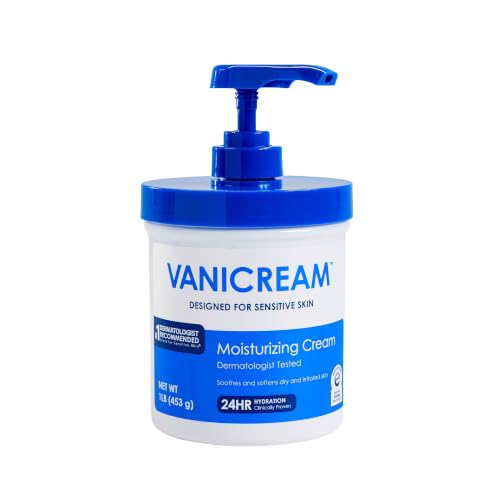
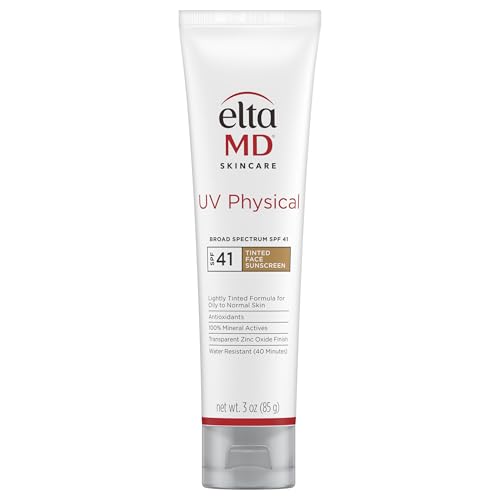
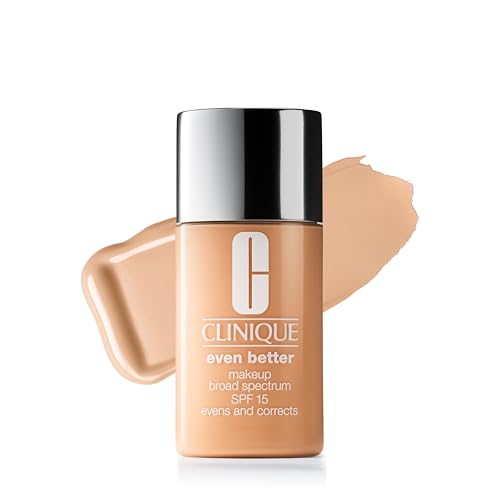
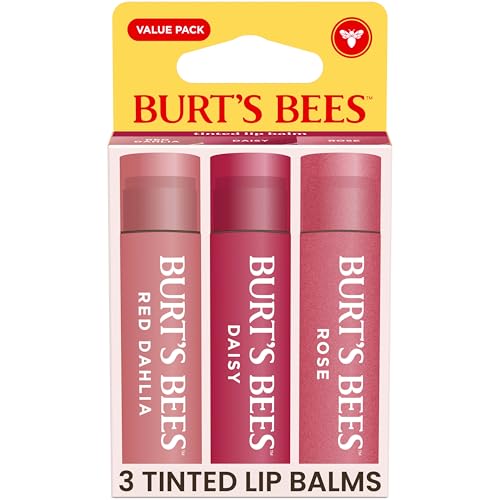
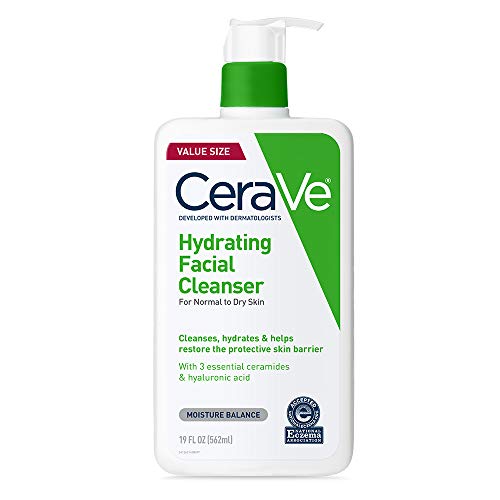
Recommended Fragrance-Free and Simple-Formula Products


In This Guide
- Which Cosmetic Ingredients Are Linked to Heart Health Concerns
- Phthalates: What the Research Shows
- Lead and Heavy Metals: The Real Risks
- Putting Cosmetic Risks in Context
- How to Lower Your Exposure to Questionable Cosmetic Ingredients
- Understanding Clean and Non-Toxic Labels
- Who Should Be More Careful
- Common Claims Versus the Evidence
- Dos and Don’ts
- Honest Limits
- When to See a Doctor
- FAQ
- Summing Up
Quick Answer
- No good evidence shows cosmetics used as directed cause heart disease.
- The FDA says phthalates as used in cosmetics are not a known risk.
- Most heart-related phthalate research involves DEHP from plastics.
- Kohl, kajal and surma can contain high levels of lead.
- Buy cosmetics from reputable sellers with full ingredient lists.
- Lifestyle risk factors matter far more for heart health.
- Talk to a doctor about symptoms, not your makeup.
Which Cosmetic Ingredients Are Linked to Heart Health Concerns
When people ask whether cosmetics can cause heart disease, they are usually thinking of a few specific groups of chemicals. Each has a different evidence base, and the details matter.
| Ingredient or contaminant | Where it appears | What the evidence shows |
|---|---|---|
| Phthalates (mainly DEP in cosmetics) | Some fragrances and nail products | FDA: no evidence of risk as used in cosmetics |
| DEHP | Mainly plastics, food packaging, medical tubing | Linked to heart disease in population studies; not a main cosmetic source |
| Lead | Imported kohl, kajal, surma; trace levels elsewhere | Kohl-type products are a real hazard; FDA recommends lead limits for cosmetics |
| Other heavy metals | Contaminated or counterfeit products | Risk mainly from unregulated or fake products |
| Parabens | Preservatives in many products | No established link to heart disease |
| Fragrance chemicals | Perfumes, scented products | Main concern is skin allergy, not heart disease |
The pattern is clear: the strongest concerns come from contaminated, counterfeit or banned products, not from ordinary cosmetics bought from reputable sellers. Our guide on what paraben-free means explains why some ingredient scares are more about marketing than evidence.
Phthalates: What the Research Shows
Phthalates are a family of chemicals used to make plastics flexible and, in some cases, as solvents or fragrance carriers. The FDA explains that diethyl phthalate (DEP) is the only phthalate still commonly used in cosmetics, and that the agency does not have safety concerns with DEP as currently used. Its page on phthalates in cosmetics states it does not have evidence that phthalates as used in cosmetics pose a safety risk.
The research that links phthalates to heart disease focuses mostly on DEHP. A 2025 study published in eBioMedicine estimated that DEHP exposure was associated with about 356,000 cardiovascular deaths worldwide in 2018 among people aged 55 to 64. You can read the full study on PubMed Central. The authors noted the study was a modelling analysis that could not prove DEHP directly caused heart disease, and the main exposure sources were plastic food containers and other plastic items.
Associations in population studies do not show that one product causes a disease. They highlight areas for further research, and exposure from food packaging and plastics is usually far greater than from cosmetics.
Lead and Heavy Metals: The Real Risks
Lead is a well-known cardiovascular hazard, and long-term exposure is associated with high blood pressure and heart disease. In cosmetics, the concern depends heavily on the product type and where it comes from.
The FDA recommends a maximum lead level of 10 parts per million for lipsticks and externally applied cosmetics and reports that the vast majority of products already meet it. Traditional eye cosmetics such as kohl, kajal and surma are different: the FDA explains in its guidance on lead in cosmetics that these products commonly contain large amounts of lead and are not permitted for sale in the U.S.
Avoid kohl, kajal or surma products that do not list ingredients or that were bought informally, especially for children. Lead exposure is particularly harmful to children and during pregnancy.
Counterfeit cosmetics sold through unofficial channels can also contain unexpected contaminants. Buying from reputable retailers is one of the simplest ways to avoid these products. If you notice a product that looks different from usual, has misspelled packaging or a missing batch code, stop using it and buy a replacement from an official source.
Putting Cosmetic Risks in Context
Heart disease is driven mainly by factors such as high blood pressure, high cholesterol, smoking, diabetes, physical inactivity, obesity, diet and family history. Compared with these, any possible contribution from cosmetics used as directed is small and uncertain.
- High blood pressure and cholesterol are major, modifiable risk factors.
- Smoking significantly increases heart disease risk.
- Regular activity and a balanced diet lower risk.
- Diabetes and family history raise risk and need medical management.
- Regular check-ups catch risk factors early.
That perspective matters. Worrying about lipstick while skipping blood pressure checks puts attention in the wrong place. Our guide on whether makeup messes up your skin covers more everyday makeup concerns.
How to Lower Your Exposure to Questionable Cosmetic Ingredients
Buy from reputable sellers
Choose established retailers and avoid unusually cheap branded products online.
Check for full ingredient lists
Skip products with no label or an incomplete list.
Avoid banned eye products
Do not use kohl, kajal or surma that is not sold legally in your country.
Simplify your routine
Fewer products means fewer ingredients overall.
Choose fragrance-free when you can
This reduces exposure to fragrance components, including DEP.
Store products properly
Keep them cool and replace old or damaged products.
Wash hands before eating
Especially after applying lip or powder products.
If you want to cut back, start with products you use most often or over large areas of skin, such as body lotions and perfumes, rather than a lipstick you wear occasionally.
None of these steps are necessary for most people to stay healthy, but they are simple and inexpensive if you prefer to reduce exposure. Our guide on how to spot fragrance in an ingredient list can help you read labels.
Understanding Clean and Non-Toxic Labels
Terms such as clean, non-toxic and chemical-free are marketing words, not legally defined safety standards. A product labelled clean is not necessarily safer for your heart than one that is not.
- Clean usually means a brand avoids certain ingredients on its own list.
- Non-toxic has no official definition for cosmetics.
- Chemical-free is not possible, since everything is made of chemicals.
- Natural ingredients can also cause reactions or contain contaminants.
Reading the ingredient list and buying from reputable sellers tells you more than front-of-pack claims. Our guide on what a clean-label cosmetic is explains these terms in more detail.
Who Should Be More Careful
Some groups may want to be more careful with product choices, not because ordinary cosmetics are known to cause heart disease, but because they are more sensitive to certain exposures.
Pregnant people and young children are more vulnerable to lead, so avoiding kohl-type products and unlabelled imported cosmetics is especially important. People who already have heart disease or high blood pressure do not need to avoid normal makeup, but they should focus on proven risk factors with their doctor. Professionals who use large amounts of products daily, such as salon workers, may have higher exposure to solvents and fumes and benefit from good ventilation. For everyone else, the practical advice is the same: buy from reputable sellers, read labels and keep the focus on the risk factors that are known to matter most.
Common Claims Versus the Evidence
| Claim | What the evidence says |
|---|---|
| Makeup chemicals cause heart attacks | No evidence shows this for cosmetics used as directed |
| Phthalates in all makeup damage the heart | FDA: phthalates as used in cosmetics are not a known risk; heart research mainly involves DEHP from plastics |
| Lipstick is full of dangerous lead | Most lipsticks meet the FDA recommended lead limit |
| Natural or homemade cosmetics are always safer | Natural products can contain contaminants and cause reactions |
| Clean brands protect your heart | Clean is not a regulated safety standard |
| Absorbing any chemical through skin is harmful | Absorption depends on the ingredient, amount and product type |
Many online claims start with a real study but stretch its findings. A study that measures a chemical in blood or urine, or estimates deaths from total exposure, does not show that a particular lipstick or cream caused harm. When you read a worrying headline, it helps to check whether the research actually looked at cosmetics, how people were exposed and whether the authors themselves describe the link as causal.
It also helps to look at who is making the claim. Brands selling alternative products and social media accounts that profit from fear have reasons to overstate risks, while regulators and independent scientists generally describe uncertainty more carefully.
Dos and Don’ts
Worth Doing
- Buy from reputable retailers
- Check ingredient lists
- Avoid kohl, kajal and surma not legally sold
- Focus on proven heart risk factors
- Ask your doctor about genuine concerns
Skip It
- Assume clean labels mean safer
- Buy suspiciously cheap branded makeup online
- Give children imported eye cosmetics
- Panic over single headlines
- Ignore blood pressure and cholesterol checks
Honest Limits
Research on long-term, low-level exposure to everyday chemicals is complex. Studies often measure exposure from all sources together, which makes it hard to know how much comes from cosmetics.
Regulations and scientific understanding change over time. The FDA and other agencies review ingredients as new evidence emerges, so some advice may be updated in future. It is reasonable to follow reliable sources rather than social media claims.
When to See a Doctor
- You have chest pain, shortness of breath or palpitations.
- You have high blood pressure, high cholesterol or diabetes.
- You or your child have used kohl, kajal or surma and you are worried about lead exposure.
- You have a family history of early heart disease.
This article is for general information and does not replace professional medical advice. Seek emergency care for chest pain or other signs of a heart attack, and talk to your doctor about your personal risk factors.
FAQ
Can makeup cause heart disease?
There is no good evidence that cosmetics used as directed cause heart disease.
Are phthalates in makeup dangerous?
The FDA says it has no evidence that phthalates as used in cosmetics pose a safety risk.
Which phthalate is linked to heart disease?
Most research involves DEHP, which comes mainly from plastics.
Does lipstick contain lead?
Many contain trace amounts; the FDA recommends a limit and most products meet it.
Is kohl safe to use?
Traditional kohl, kajal and surma can contain high lead levels and are not legal in the U.S.
Are clean beauty products better for your heart?
Clean is a marketing term and does not guarantee safety.
Can perfume affect the heart?
There is no established link; fragrance mainly causes skin allergies.
Should people with heart disease avoid makeup?
No, but they should focus on proven risk factors with their doctor.
How can I reduce chemical exposure from cosmetics?
Buy reputable brands, use fewer products and choose fragrance-free.
Are parabens linked to heart disease?
No established link has been shown.
Summing Up
Cosmetics used as directed are not a known cause of heart disease. The FDA does not see a safety risk from phthalates as used in cosmetics, and most heart-related phthalate research involves DEHP from plastics. The clearer risk is lead in kohl-type eye products and counterfeit cosmetics.
Buy from reputable sellers, check ingredient lists and avoid banned eye products. For your heart, focus on blood pressure, cholesterol, smoking, activity and diet, and talk to your doctor about any symptoms.