Jeroboam Gozo Perfume Review: Notes, Wear and Who It Suits
Gozo is a fragrance from Jeroboam, a Parisian niche perfume house known for concentrated extraits de parfum. Named after a Maltese island, it is presented as a sunny, Mediterranean-inspired scent and is sold as unisex.
Jeroboam Gozo is a good choice if you enjoy warm, spiced floral fragrances with a soft musky base and want an intense, extrait-strength scent that is suitable for anyone. Retailers list its notes as saffron, tuberose and bergamot at the top; geranium, violet leaf and cedar in the heart; and white musk, patchouli and ambroxan in the base. It is less likely to suit people who prefer fresh, light or very clean scents, or anyone sensitive to strong fragrance. Because an extrait is concentrated, a little goes a long way, and people with fragrance allergies should be careful about applying it directly to skin.
In short: a rich, sunny tuberose and saffron extrait with a musky drydown, best sampled before buying a full bottle.
The US Food and Drug Administration notes that some people are allergic or sensitive to fragrance ingredients even when those ingredients are safe for most people, and suggests fragrance-free products for those who react.
This review covers Gozo’s published notes, how extrait de parfum wears, who it suits and who should skip it, how to apply it, skin sensitivity, honest limits and alternatives. Scent is personal, and this review is based on published descriptions rather than our own wear testing.
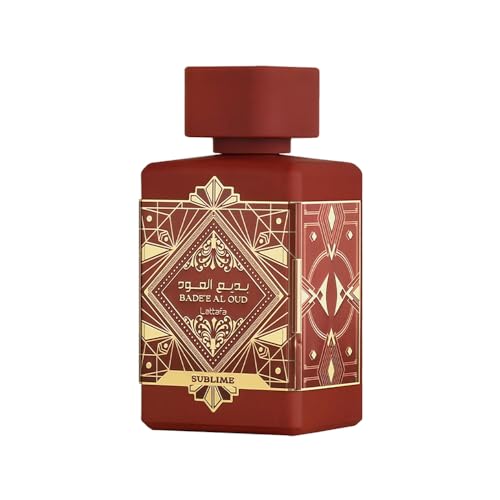
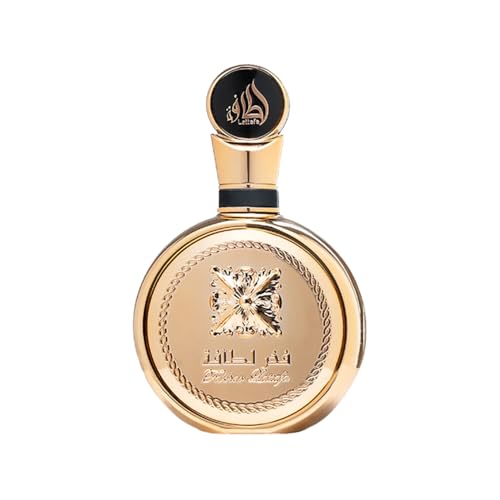
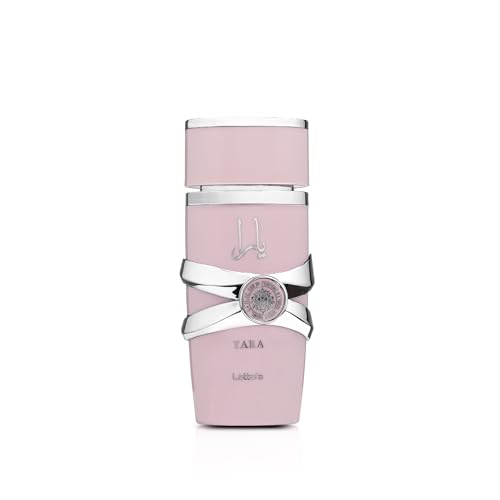
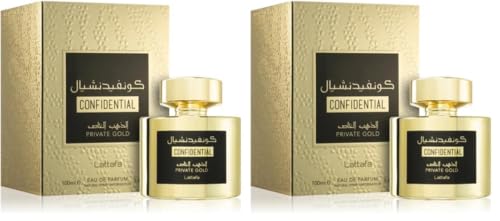
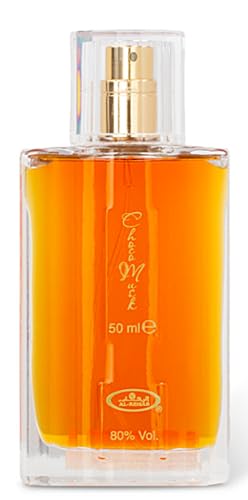
Where to Buy Jeroboam Gozo and Similar Fragrances on Amazon


Key Takeaways
- Gozo is a unisex extrait de parfum from the Paris niche house Jeroboam.
- Its published notes include saffron, tuberose, bergamot, cedar and white musk.
- It is described as a warm, spiced floral with a soft musky base.
- Extraits are concentrated, so use fewer sprays.
- Sample it on your own skin before buying a full bottle.
- Fragrance can irritate sensitive skin; consider spraying clothing instead.
- Scent is personal, so reviews are only a starting point.
In This Guide
- What Jeroboam Gozo Is
- Gozo’s Published Fragrance Notes
- How an Extrait de Parfum Wears
- Who Gozo Suits and Who Should Skip It
- Pros and Cons
- How to Apply an Extrait de Parfum Like Gozo
- Fragrance and Sensitive Skin
- Alternatives by Fragrance Style
- When and Where to Wear Gozo
- Dos and Don’ts
- Honest Limits
- When to See a Dermatologist
- Common Questions
- Final Word
What Jeroboam Gozo Is
Jeroboam is a French niche house whose fragrances are typically sold at extrait de parfum strength, the most concentrated standard category of perfume. Niche houses usually focus on smaller production, distinctive compositions and less mainstream marketing than big designer brands.
Gozo takes its name from an island in the Maltese archipelago, and retailers describe it as evoking sunset colours and Mediterranean warmth. It is marketed as unisex, which simply means it is not designed with a particular gender in mind. Anyone who likes the scent can wear it.
Because niche perfumes are often sold in fewer shops, many people discover them online. That makes sampling especially important: a description can sound wonderful but smell very different on your skin.
Buy from authorised retailers where possible. Niche fragrances are sometimes sold by third-party sellers as old stock or counterfeit bottles, which can smell different or contain unknown ingredients.
Gozo’s Published Fragrance Notes
The notes below are those listed by several fragrance retailers. Notes describe the impression of a scent rather than a complete ingredient list.
| Layer | Published notes | What it usually smells like |
|---|---|---|
| Top | Saffron, tuberose, bergamot | Spicy, creamy floral with a bright citrus lift |
| Heart | Geranium, violet leaf, cedar | Green, slightly rosy and woody |
| Base | White musk, patchouli, ambroxan | Soft, warm, skin-like and lasting |
Tuberose is a rich white flower with a creamy, heady character that can feel bold. Saffron adds a warm, leathery spice. Violet leaf brings a green, slightly watery note, while cedar gives structure. In the base, white musk and ambroxan create a soft, diffusive warmth, and patchouli adds earthiness.
Retailers describe the overall effect as a spiced, sunny tuberose that dries down to a warm, musky skin scent. That profile tends to appeal to people who like floral fragrances with some depth rather than light, fresh florals.
It helps to know how a fragrance develops over time. The top notes are what you smell in the first few minutes, the heart emerges as those fade, and the base notes linger for hours. Judging Gozo only on the first spray on a paper strip can be misleading, because the saffron and bergamot opening softens into a warmer floral and then a musky skin scent.
How an Extrait de Parfum Wears
Perfumes are grouped by how concentrated their fragrance oils are. Exact percentages vary between brands, and there is no single legal standard, but the general order is shown below.
| Category | Relative strength | Typical wear |
|---|---|---|
| Eau fraiche or cologne | Lightest | Short-lived, fresh |
| Eau de toilette | Light to moderate | A few hours |
| Eau de parfum | Moderate to strong | Longer, fuller |
| Extrait de parfum | Strongest | Often longest-lasting, closer to the skin in some cases |
Stronger does not always mean louder. Some extraits sit close to the skin and last a long time, while others project widely. How long any perfume lasts also depends on your skin type, the weather and how much you apply. Dry skin often holds fragrance less well than moisturised skin.
Because Gozo is an extrait, start with one or two sprays and see how it behaves on you over a full day before adding more.
Who Gozo Suits and Who Should Skip It
| If you | Gozo is likely to | Notes |
|---|---|---|
| Love tuberose and white florals | Appeal | Its heart is floral and creamy |
| Enjoy spiced, warm scents | Appeal | Saffron and patchouli add warmth |
| Prefer fresh, citrus or aquatic scents | Disappoint | Bergamot is only a top note |
| Work in a shared, close space | Need care | Use very little |
| Have fragrance allergies or sensitive skin | Irritate | Spray clothing, not skin, or avoid |
Many people with sensitive skin still enjoy fragrance by applying it to clothing or hair accessories rather than skin. Our guide to skin sensitivity to fragrance explains the signs of a reaction and how to reduce risk.
Pros and Cons
- Pro: rich, distinctive spiced floral composition.
- Pro: extrait strength means a little goes a long way.
- Pro: unisex positioning suits anyone who likes the style.
- Pro: soft musky base that many people find comforting.
- Con: tuberose can feel heavy or overwhelming to some noses.
- Con: niche availability makes sampling harder.
- Con: strong fragrance may irritate sensitive skin or bother others nearby.
- Con: premium niche pricing compared with mainstream perfumes.
Feedback on tuberose-and-musk extraits tends to split: fans praise warmth, depth and longevity, while others find white florals too heady. That is exactly why testing on your own skin matters more than any review.
Bottle care also affects how the scent smells over time. Heat, light and air can change a perfume, dulling the top notes or darkening the liquid. Keeping the bottle in its box, away from windows and bathrooms, helps it stay closer to how it smelled when new.
How to Apply an Extrait de Parfum Like Gozo
Applying a concentrated perfume well makes it last longer and keeps it pleasant for people around you.
Test first
Try a sample on your inner wrist and wear it for a full day before buying.
Moisturise
Apply a fragrance-free moisturiser to dry skin so the scent clings better.
Use fewer sprays
Start with one or two sprays; an extrait is concentrated.
Choose pulse points
Spray the base of the neck, chest or inner elbows from about a hand’s length away.
Do not rub
Let it dry naturally; rubbing wrists together can blur the opening notes.
Consider clothing
Spray a scarf or jacket if your skin is sensitive, avoiding delicate fabrics.
Store it well
Keep the bottle in a cool, dark place with the cap on.
If you want to know whether a perfume is right for you, wear the sample on different days, in different weather and at work and home. A scent that feels perfect on a cool evening can feel too heavy on a hot afternoon.
Fragrance and Sensitive Skin
Fragrance is one of the most common causes of cosmetic skin allergy. The FDA’s page on fragrances in cosmetics explains that fragrance formulas are usually listed simply as fragrance or parfum, because they are considered trade secrets, and that people who are sensitive may prefer fragrance-free products.
Citrus oils such as bergamot can also, in some formulas, make skin more reactive to sunlight. If you spend time in the sun, apply perfume to clothing or to areas that are covered, and stop if you notice redness or darkened patches where you sprayed.
Stop using a perfume and wash it off if you develop itching, redness, swelling or a rash where you applied it. Keep perfume away from the eyes and broken skin, and never use it on babies or young children. Seek urgent help for swelling of the face or difficulty breathing.
If you want to check other products for fragrance, our guide on how to spot fragrance in an ingredient list explains which label terms to look for.
Alternatives by Fragrance Style
- Other tuberose-focused perfumes, from creamy to green styles.
- Saffron-led spicy florals with amber or woody bases.
- White musk fragrances for a softer, skin-like scent.
- Lighter eau de parfum versions of floral scents for daytime wear.
- Fragrance-free body care layered with a single spray of perfume on clothing.
When comparing, focus on the style of scent rather than the brand, and try samples wherever possible.
If you like Gozo’s base more than its opening, look for musk and amber-led fragrances; if the tuberose is what you love, explore other white floral scents at eau de parfum strength for a lighter everyday option.
When and Where to Wear Gozo
Warm, spiced florals tend to shine in mild or cool weather, when heat does not amplify them too much. In spring and autumn, Gozo’s saffron and tuberose may feel balanced and inviting, while its musky base keeps it comfortable up close. On very hot days, the same notes can feel dense, so a single spray may be plenty.
Think about setting as well as season. In offices, classrooms, hospitals and public transport, strong fragrance can bother people with asthma, migraines or fragrance sensitivity. A light application, or scent on clothing rather than skin, is more considerate in close quarters. Evenings out and outdoor events usually allow a little more freedom.
- Daytime at work: one spray on clothing or the chest.
- Evening out: one or two sprays on pulse points.
- Hot weather: a single spray, applied to covered skin or clothing.
- Layering: use unscented body lotion so it does not clash with the perfume.
Many fragrance lovers keep a small decant or travel atomiser for top-ups. With an extrait, you may not need one, but it can help on long days without carrying a glass bottle.
Dos and Don’ts
Good Habits
- Sample on your skin first
- Apply sparingly
- Spray clothing if skin is sensitive
- Store away from heat and light
- Buy from authorised sellers
Common Mistakes
- Buy blind based only on notes
- Over-spray in shared spaces
- Apply to broken or irritated skin
- Spray near the eyes
- Ignore itching or redness
Honest Limits
This review is based on published notes and retailer descriptions, not our own wear testing. Perfume smells different on different people because of skin chemistry, temperature and the products you layer with it, so no review can predict exactly how Gozo will smell on you.
Notes are also descriptive rather than a full ingredient list. A perfume may contain many materials not listed as notes, including potential allergens. If you have known fragrance allergies, a patch test by a dermatologist is the safest way to find out what you can wear.
When to See a Dermatologist
- You get a rash or itching wherever you apply perfume.
- You notice dark or discoloured patches after wearing fragrance in the sun.
- Eczema flares when you use scented products.
- You want patch testing to find out which fragrance ingredients you react to.
This article is general information and does not replace medical advice. Fragrance notes and formulas can change, so check the current product information. See a board-certified dermatologist for persistent skin reactions or allergy testing.
Common Questions
What does Jeroboam Gozo smell like?
A warm, spiced tuberose floral with a soft musky base.
What are Gozo’s notes?
Saffron, tuberose, bergamot, geranium, violet leaf, cedar, white musk, patchouli and ambroxan.
Is Gozo unisex?
Yes, it is sold as unisex.
What concentration is Gozo?
It is sold as an extrait de parfum.
How many sprays should I use?
Start with one or two.
Is it good for summer?
It can be, but some find tuberose heavy in heat.
Can fragrance irritate skin?
Yes, fragrance is a common cause of skin allergy.
Where should I apply it?
Pulse points or clothing if your skin is sensitive.
Should I buy it blind?
It is better to try a sample first.
How should I store it?
In a cool, dark place with the cap on.
Final Word
Jeroboam Gozo is a rich, sunny extrait de parfum built around saffron and tuberose with a warm, musky drydown, suited to people who love spiced florals.
Sample it on your own skin, apply it sparingly and choose clothing over skin if you are sensitive to fragrance.