Lymphatic Facial Massage: Does It Work?
Lymphatic facial massage shows up constantly on social media promising an instant de-puffed, sculpted look, and the technique behind it is real. What’s thinner than the marketing suggests is the actual evidence for the specific cosmetic claims being made.
Manual lymphatic drainage is a genuinely well-supported medical technique, just not for the reason most people are booking it. It’s a core part of treating lymphedema after cancer surgery, recognized in oncology rehabilitation guidelines. The cosmetic, facial de-puffing version borrows the same light, directional strokes, but the clinical trial evidence for that specific application is much thinner.
Here’s the part that actually matters before your next session: not all facial puffiness comes from the kind of fluid buildup massage can even theoretically help with, and telling the difference takes about a minute.
This guide covers the 60-second pitting check that tells you whether your puffiness is the kind massage might help with, how the strong medical evidence for lymphedema compares to the thinner evidence for cosmetic use, and the warning signs that mean you need a doctor instead.
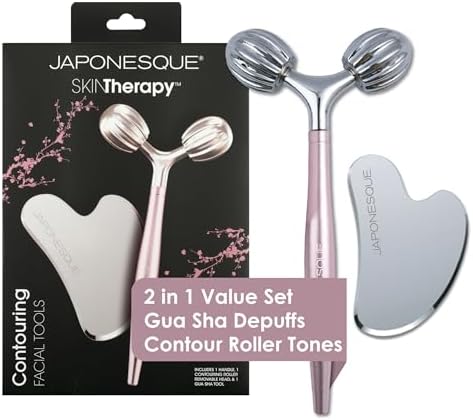
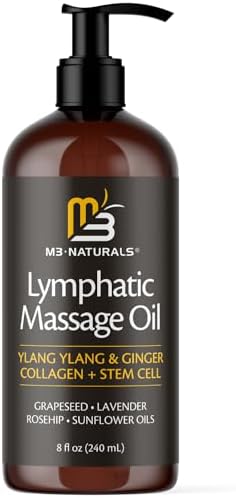
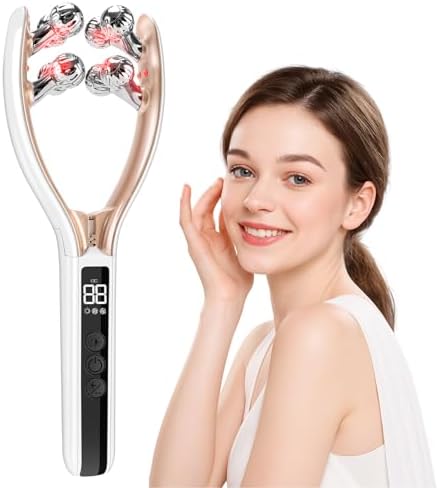
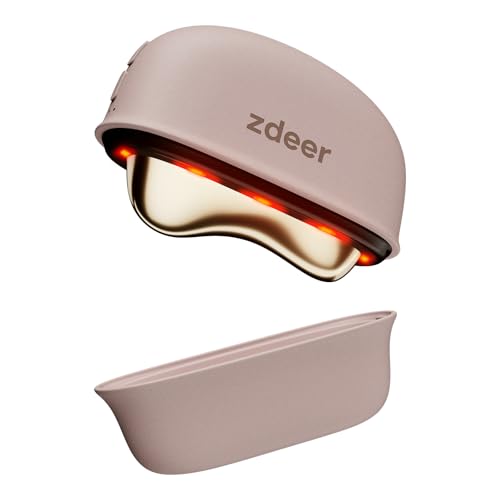
Recommended Products for Lymphatic Facial Massage







Key Takeaways
- Lymphatic facial massage uses very light, directional strokes meant to move fluid toward functioning lymph nodes, a technique developed by Emil Vodder in the 1930s.
- A 60-second pitting check tells you whether your puffiness is likely ordinary fluid buildup or something that needs a doctor instead of a massage.
- Manual lymphatic drainage has strong, genuine medical evidence for treating lymphedema, particularly after cancer surgery. The evidence for cosmetic facial de-puffing specifically is much thinner.
- Cleveland Clinic and UCLA Health both describe facial lymphatic drainage as a trend that has outpaced its clinical trial evidence, even though it remains popular.
- The pressure used is deliberately very light, often described as about the weight of a nickel, far gentler than a typical facial massage.
- Unilateral swelling, swelling with pain or fever, or puffiness linked to sinus congestion or systemic disease are signs the cause isn’t something massage addresses.
- Any real benefit is more likely a temporary fluid shift, increased circulation, and relaxation than a lasting cosmetic change.
Table of Contents
- How Lymphatic Facial Massage Is Supposed to Work
- The 60-Second Pitting Check Before You Book a Massage
- Strong Evidence vs. Thin Evidence: Where MLD Actually Stands
- Do This, Not That: Getting the Most From a Session
- What a Session Actually Involves
- What Facial Lymphatic Massage Can’t Do
- When Puffiness Needs a Doctor, Not a Massage
- Frequently Asked Questions
- The Bottom Line
How Lymphatic Facial Massage Is Supposed to Work
Manual lymphatic drainage was developed by Emil Vodder in the 1930s as a technique to stimulate lymphatic capillary contraction and encourage interstitial fluid to move toward functioning lymph nodes. The technique specifically clears proximal nodes, around the neck and collarbone, before working on more distant areas of the face, following the direction fluid is meant to actually drain.
This is a real, well-established medical technique. It’s the core manual component of Complex Decongestive Therapy for lymphedema, particularly after breast cancer treatment, where it’s used alongside compression bandaging and is recognized in oncology rehabilitation guidelines.
The cosmetic version applied for facial puffiness borrows the same directional principles and light pressure, but it’s a different application with a much thinner evidence base behind its specific claims for de-puffing or anti-aging.
Note: Cleveland Clinic and UCLA Health both frame cosmetic lymphatic drainage as a genuinely popular trend that has outpaced its own research, not as a debunked practice. The technique is low-risk; the specific anti-aging and de-puffing claims are simply ahead of what’s been formally studied.
The 60-Second Pitting Check Before You Book a Massage
Press a finger gently into the puffy area for a few seconds, then release:
- No lasting indentation, puffiness is even on both sides: consistent with ordinary morning fluid retention, the kind facial massage is reasonable to try.
- A slow-resolving indentation (pitting), or swelling that’s clearly worse on one side: this points toward a medical fluid-retention cause, an infection, or another underlying issue, not something a massage is designed to address.
This distinction matters because ordinary puffiness and medically significant swelling can look similar at a glance but need completely different responses.
Strong Evidence vs. Thin Evidence: Where MLD Actually Stands
| Lymphedema treatment (medical MLD) | Cosmetic facial de-puffing | |
|---|---|---|
| Evidence base | Strong, part of recognized Complex Decongestive Therapy protocols | Thin, largely anecdotal and social-media driven |
| Who performs it | Certified lymphedema therapists, often in oncology rehab settings | Estheticians, at-home tools like gua sha or jade rollers |
| Typical goal | Managing chronic swelling after cancer treatment or surgery | Temporary reduction in morning facial puffiness |
| Recognized by | Oncology rehabilitation guidelines | Popular wellness and skincare trend, not a clinical guideline |
Both use the same underlying manual technique. The difference is what’s actually being claimed and how much research backs that specific claim, which is exactly the distinction most cosmetic marketing skips.
Do This, Not That: Getting the Most From a Session
Do
- Treat facial lymphatic massage as a relaxing, low-risk add-on, not a medical treatment
- Check for pitting or asymmetry before assuming massage will help
- Use genuinely light pressure, more like a nickel’s weight than a deep-tissue massage
- Mention any current sinus infection, allergy flare, or thyroid condition to your provider first
- See a doctor for swelling that’s one-sided, painful, or accompanied by fever
Don’t
- Expect a lasting anti-aging or cosmetic transformation from facial massage alone
- Use deep, forceful pressure thinking it will move more fluid faster
- Ignore swelling that’s asymmetric or accompanied by pain
- Assume facial puffiness always has a lymphatic cause rather than sinus, allergy, or systemic causes
- Substitute massage for medical evaluation of persistent, unexplained swelling
What a Session Actually Involves
Consultation
The provider asks about current swelling, allergies, sinus issues, and any medical conditions before starting.
Clearing proximal nodes
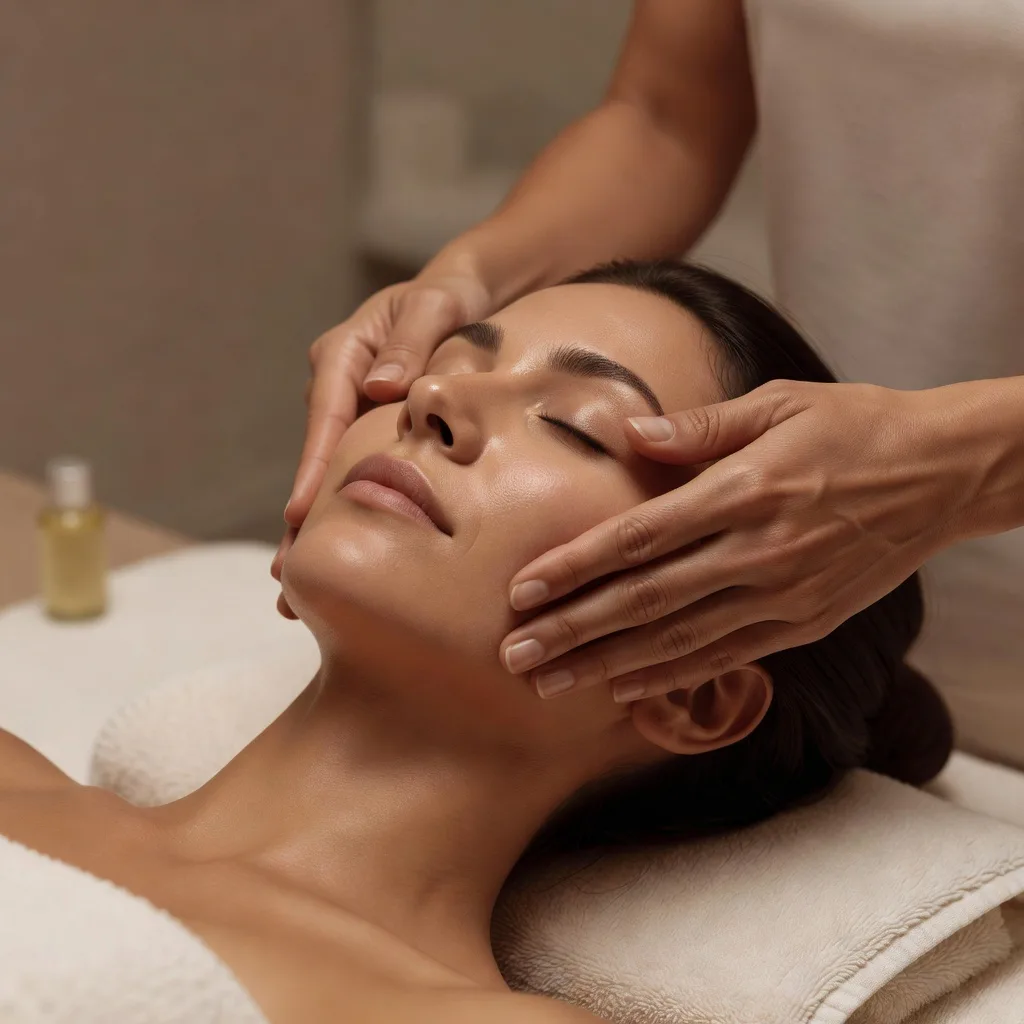
Light strokes begin at the neck and collarbone to clear the pathway fluid will drain toward.
Working toward the face
Gentle, directional strokes move from the center of the face outward and downward toward the cleared nodes.
Tip: The pressure should feel barely-there. If it feels like a firm massage, it’s likely too much pressure for genuine lymphatic technique.
Repetition
Each stroke pattern is typically repeated several times in the same direction before moving to the next area.
Immediately after
Some temporary reduction in visible puffiness and a flushed, relaxed appearance is common.
Following hours
Any de-puffing effect is generally temporary and tends to fade within the same day for most people.
What Facial Lymphatic Massage Can’t Do
It isn’t a validated anti-aging treatment and doesn’t produce lasting structural change to the skin. Any visible effect is more plausibly explained by temporary fluid shifts, increased circulation, and the relaxation response than a durable cosmetic transformation. It also isn’t a treatment for facial puffiness that has a medical cause, those need to be identified and treated directly, and it says nothing about the separate question of under-eye skin laxity, which a light massage doesn’t change either way.
When Puffiness Needs a Doctor, Not a Massage
Warning: Swelling that’s one-sided, painful, warm, or accompanied by fever suggests infection and needs prompt medical evaluation. Puffiness tied to sinus congestion, allergic reactions, or signs of kidney disease, thyroid dysfunction, or heart failure should be evaluated by a medical provider, not addressed with massage.
Frequently Asked Questions
What is lymphatic facial massage?
A technique using very light, directional strokes intended to move fluid toward functioning lymph nodes, based on manual lymphatic drainage developed by Emil Vodder in the 1930s.
Does lymphatic facial massage actually reduce puffiness?
It may produce a temporary reduction in puffiness through fluid shifts and increased circulation, but the clinical evidence specifically for cosmetic facial de-puffing is thin compared to its established medical use for lymphedema.
Is lymphatic drainage massage medically proven?
For lymphedema, yes, it’s a recognized part of Complex Decongestive Therapy. For cosmetic facial puffiness specifically, the evidence is much thinner and largely anecdotal.
How much pressure should lymphatic facial massage use?
Very light, often described as about the weight of a nickel, noticeably gentler than a typical facial massage.
Can I do lymphatic facial massage myself at home?
Yes, using very light pressure and tools like a jade roller or gua sha, following the same general direction toward the neck and collarbone.
When is facial puffiness a medical concern?
When it’s one-sided, painful, accompanied by fever, or linked to signs of sinus infection, allergic reaction, kidney disease, thyroid dysfunction, or heart failure.
How long do the effects of lymphatic facial massage last?
Any visible de-puffing effect is generally temporary and tends to fade within the same day for most people.
Is lymphatic facial massage safe?
Generally yes, for ordinary puffiness, given how light the technique is. It isn’t a substitute for medical evaluation of swelling with a possible medical cause.
What’s the difference between lymphatic massage and a regular facial massage?
Lymphatic massage uses much lighter pressure and a specific directional pattern toward lymph nodes, while a regular facial massage uses firmer pressure aimed at relaxation or circulation generally.
Why does one side of my face look more swollen than the other?
Asymmetric swelling is more consistent with a localized medical cause, such as infection or an allergic reaction, than ordinary fluid retention, and is worth having evaluated.
The Bottom Line
Lymphatic facial massage borrows a real, medically established technique, but the strength of that evidence belongs mainly to its use for lymphedema, not cosmetic de-puffing. The pitting and symmetry check is the fastest way to tell whether your puffiness is the kind massage might reasonably help with, or a sign that something else is going on.
Treat it as a gentle, low-risk relaxation add-on rather than a proven anti-aging treatment, and see a doctor for any swelling that’s one-sided, painful, or paired with other symptoms rather than expecting a massage to resolve it.