How Often Should You Replace Razor Blades? (Safety, Cartridge, Electric)
A razor blade does not announce when it is finished. It slowly gets duller, and the first sign is often a tug, a nick or a patch of red bumps rather than a clear signal. Most irritation from shaving comes from a dull blade, not a bad razor.
Part of our guide to men's grooming tools. Start with: 10 Best Safety Razors (2026): Closer, Calmer Shaves for Every Level
How often you should replace the blade depends on the type of razor, how thick and coarse your hair is, how often you shave and how well you care for the razor between uses. Common guidance puts cartridge blades at around five to ten shaves, and safety razor blades at a few shaves each, but the range is wide.
Razor Blades and Shaving Products Worth Considering
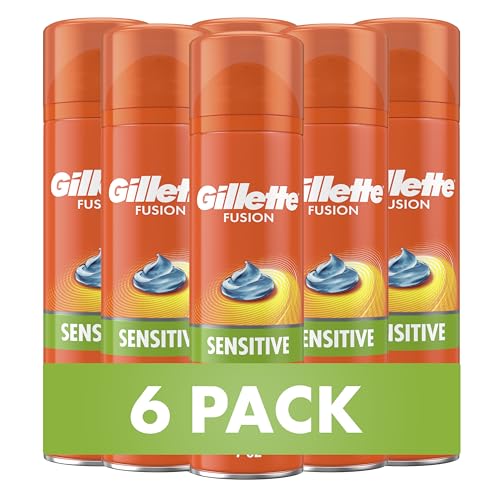


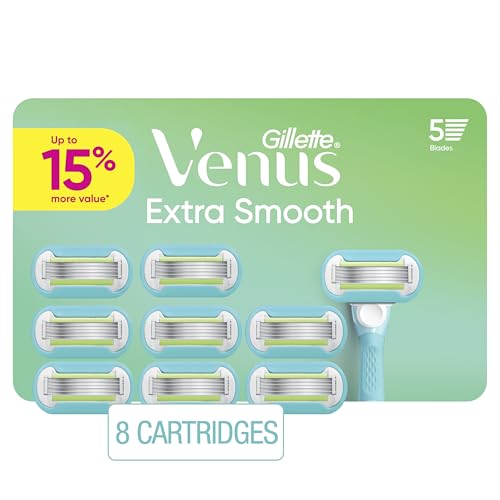
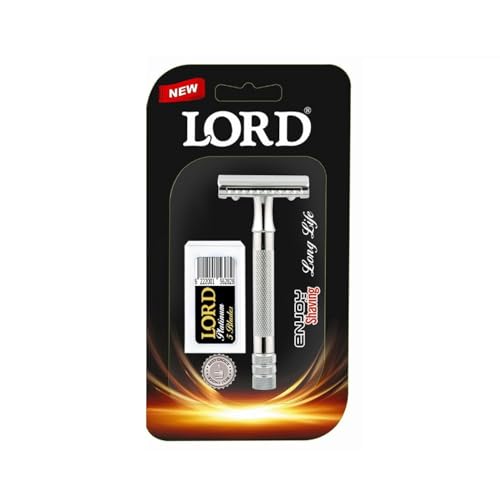
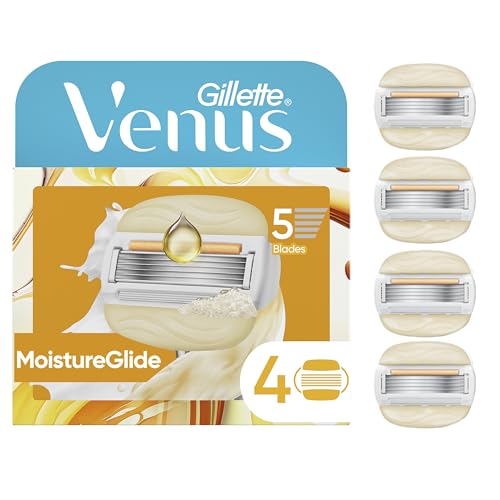

Black Friday is coming: shop the deals with Prime
Rather than counting days, learn the signs. Tugging, skipping hair, needing extra passes, stinging afterward and visible rust or buildup are all reasons to swap the blade.
Replacing blades on time is a small habit that saves skin. It is also cheaper than treating a week of irritation.
Use the sections below to match your razor type to a sensible schedule, then adjust to how your own skin responds.
This guide covers cartridge, safety and electric razors, how to read the warning signs, how to extend blade life safely, and what to do when shaving leaves bumps. It is general education, not a diagnosis.
I am Rakib Sarwar, a registered pharmacist with a cosmetology course, and I focus on gentle, practical routines that fit real skin.
The Short Version
- Dull blades tug, skip and irritate, so replace by feel as well as by count.
- Cartridge blades are commonly swapped after roughly five to ten shaves.
- Safety razor blades are often changed every few shaves.
- Electric razor foils and heads are replaced on the maker’s schedule.
- Rinse and dry the razor after each use to slow dulling and rust.
- Persistent bumps or pain deserve a professional opinion.
Signs Your Razor Blade Is Dull
The clearest sign is feel. A fresh blade glides with light pressure. A dull one drags, pulls on the hair and may need several passes over the same area.
Do a quick test on a small area before a full shave. If the first pass feels rough or you need to stretch the skin to avoid tugging, the blade is probably past its best. Switching early costs little and often prevents a week of irritation.
A blade can feel fine on one area and drag on another. Thick or coarse hair dulls the edge first, so pay attention to the roughest areas.
Pay attention to how your skin feels an hour after shaving, not just during it. Tightness, heat or tiny red dots that appear later often mean the blade did more scraping than cutting.
Look at the skin afterward. Redness, stinging, small nicks and razor burn all point to a blade that is no longer cutting cleanly. Hair that looks ragged or uneven rather than cleanly cut is another clue.
Check the blade itself. Rust spots, trapped hair, soap buildup or a bent edge mean it is time to change, no matter how many shaves it has had.
| Sign | What it suggests | What to do |
|---|---|---|
| Tugging or dragging | Edge is dull | Replace the blade |
| Redness or burning after | Extra passes or dull edge | Replace and use more shave gel |
| Rust or discoloration | Moisture damage | Replace right away |
| Clogged with hair | Needs rinsing or is worn | Rinse well and replace if it persists |
How Many Shaves Does a Blade Last?
There is no single number. A person with fine leg hair who shaves lightly can get more shaves from a blade than someone with coarse beard hair who shaves daily.
Your own record is the best guide. Many people keep a simple note on the first shave with a new blade and count from there. After a few rounds you will see when your skin starts to complain and can plan replacements around that.
As a rough starting point, many people replace a cartridge after about five to ten shaves, a double-edge safety razor blade after a few shaves, and an electric razor’s foil or cutters on the maker’s schedule, often once or twice a year. Treat these as starting points and adjust to how your skin feels.
If you shave only occasionally, time can matter too. Moisture can corrode a blade even when it has not been used much, so replace blades that have sat damp.
| Razor type | Typical starting point | Notes |
|---|---|---|
| Cartridge razor | About 5 to 10 shaves | Varies with hair thickness and care |
| Double-edge safety razor | A few shaves per blade | Sharper edge dulls faster for some people |
| Electric foil or rotary | Follow the maker’s schedule | Often once or twice a year, check the manual |
| Disposable razor | A handful of shaves | Replace the whole razor when it tugs |
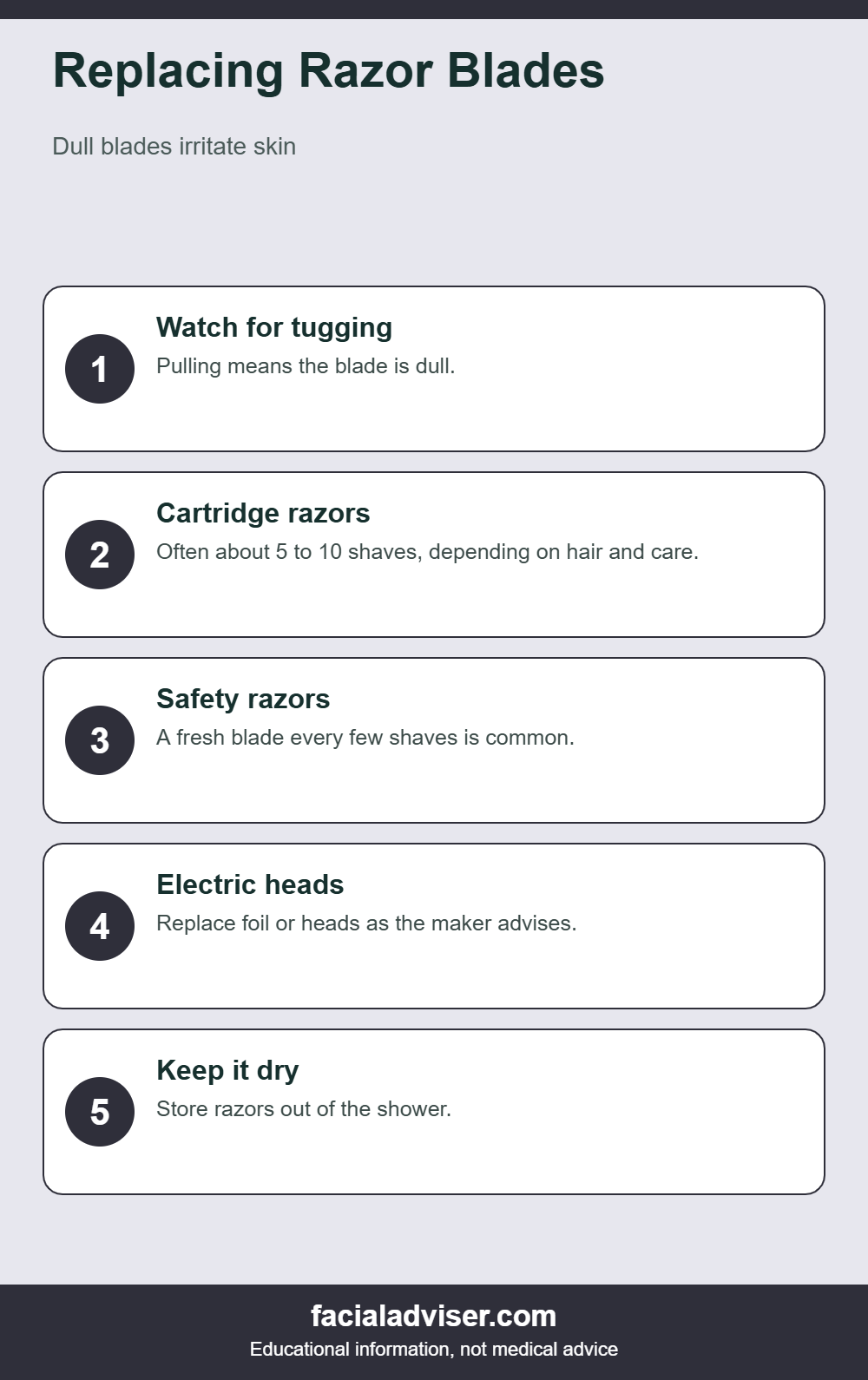
Cartridge Razors
Cartridge razors hold several blades in a plastic head, often with a lubrication strip. They are forgiving, which makes them popular, but the strip and the blades both wear down.
Tip for the budget minded: buying refills in a multi-pack usually lowers the cost per cartridge, but only if you will use them within a reasonable time, since stored blades can still corrode in a humid bathroom.
Multi-blade cartridges can trap hair and soap, so rinse them under running water after each pass on a thick area. Tapping the head on the sink is not enough to clear the gaps.
Replace the cartridge when you feel tugging, when the lubrication strip has worn flat or when hair keeps clogging between blades. If you only shave a few times a month, replace the cartridge when it looks dirty or rusty rather than waiting for a count.
Look for refills that fit your handle, and compare the price per cartridge rather than the price of the pack.
Safety Razors
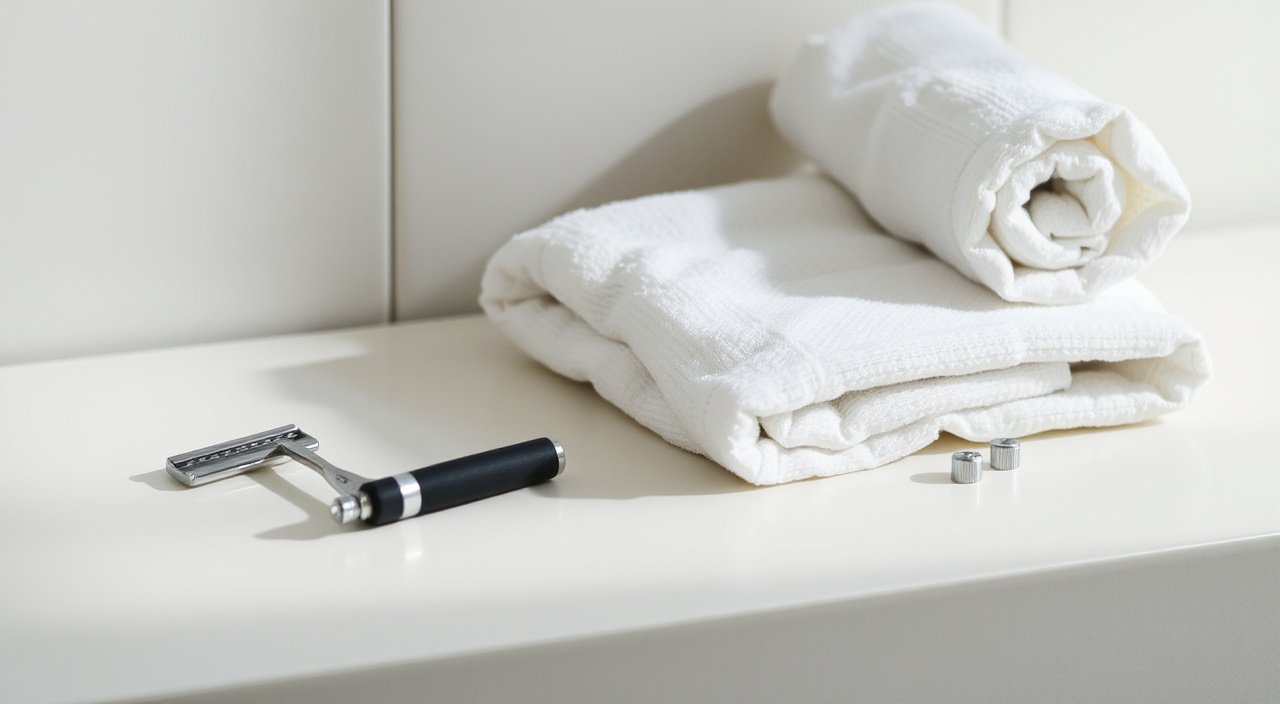
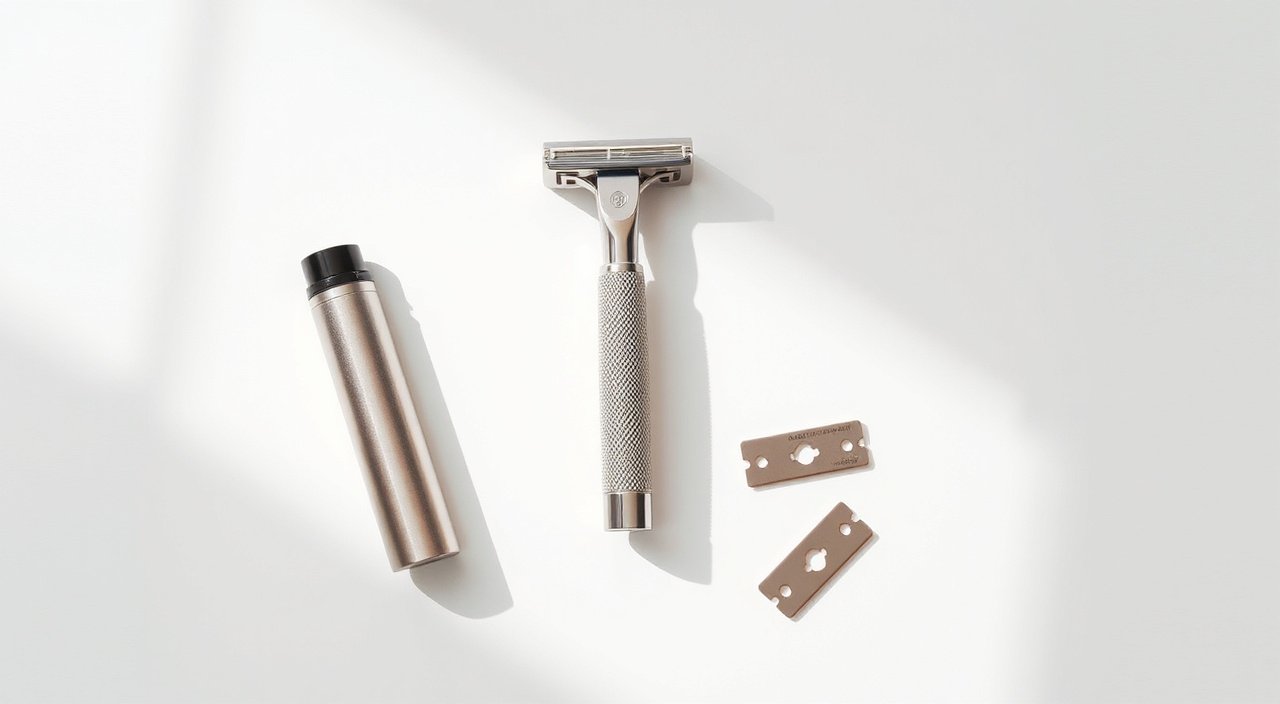
A double-edge safety razor uses a single flat blade. The blades are inexpensive, and many people change them often because a fresh edge is part of why these razors can feel gentle when used with light pressure.
Use a light touch and let the weight of the razor head do the cutting. Angle the handle so the blade meets the skin at a shallow angle and keep strokes short on curved areas such as the knees and ankles.
Changing blades every few shaves is a common habit, though some people stretch it. If you notice tugging, switch right away. Pushing a dull blade harder is a common way to get a cut.
Blade brands feel different on different skin, so a sampler can help you find a comfortable match before you commit to a large pack. Dispose of used blades safely in a sealed container.
Electric Razors
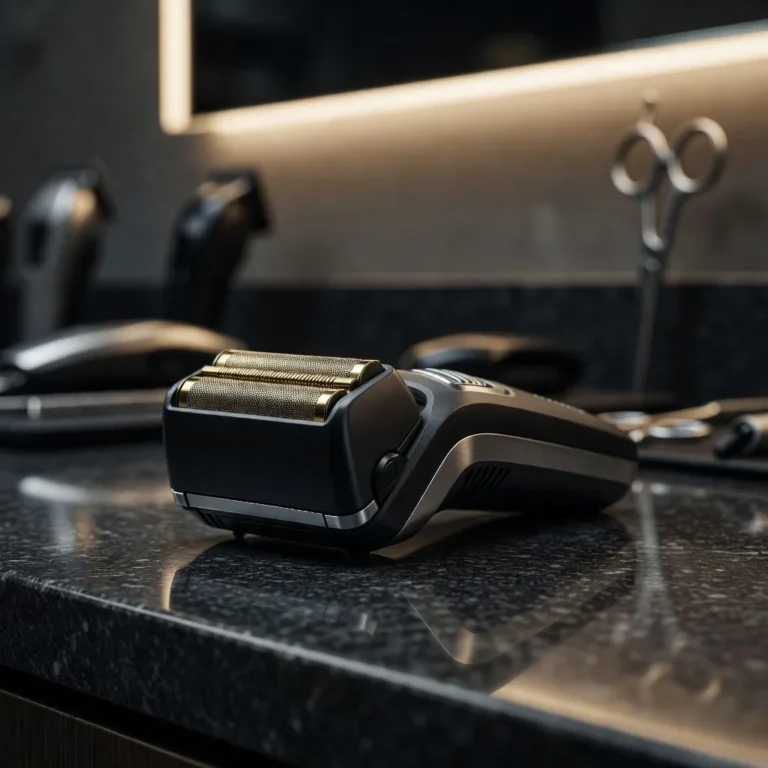
Electric razors do not have blades that dull in the same way, but the foil and cutting blocks do wear out. A worn foil can pull hair and irritate skin.
Some electric razors can be used wet with a gel and others only dry. Follow the maker’s guidance, because using the wrong method can shorten the life of the head.
Check the manual for the replacement interval, which is often given in months rather than shaves. Clean the head after every shave to stop buildup from slowing it down.
If your electric razor suddenly feels rough or noisy, a worn head is a common cause. Replacement heads are usually cheaper than a new razor.
How to Make Blades Last Longer
Good habits slow dulling. They also make shaving gentler on the skin, which is the reason to do them even if you do not care about saving money.
Do not store the razor in a closed case while it is damp, and avoid sharing razors, since shared blades can pass on germs if either person has a nick.
Wet the skin first
Soften hair with warm water for a minute or two before shaving.
Use a shave gel or cream
A slick layer lets the blade glide and reduces friction.
Shave lightly
Let the razor do the work with little pressure.
Rinse often
Rinse hair and gel out of the blades between strokes.
Dry the razor
Shake off water and let it air dry outside the shower.
Replace by feel
Change the blade when it tugs, even if the count is low.
Store the razor somewhere dry. A damp shower shelf speeds up rust and dulls the edge faster than the shaving does.
Choosing Shave Products for Sensitive Skin
A sharp blade and a good lather work together. Pick a fragrance-free shave cream or gel if your skin is easily irritated, and avoid dry shaving whenever you can.
Hot water can leave the skin dry and sensitive, so finish with lukewarm or cool water. Skip scrubs on freshly shaved skin for a day or so, because exfoliating over tiny micro-cuts can sting.
Helps
- Fragrance-free shave cream or gel
- Shaving with the grain on sensitive skin
- A fresh blade when it starts to tug
Backfires
- Dry shaving on sensitive skin
- Pressing harder to cut closer
- Alcohol-heavy aftershave on irritated skin
Shaving against the grain gives a closer shave but raises the chance of irritation and ingrown hairs. Shaving with the grain is gentler and a good default for sensitive skin.
Afterward, rinse with cool water, pat the skin dry and apply a plain moisturizer. Our guide to the best urea cream covers rich options for dry, rough areas.
What About Razor Bumps and Burn?
Razor burn is irritation from the shave itself. Razor bumps, also called pseudofolliculitis, happen when cut hair curls back into the skin. A dull blade, pressing hard and shaving against the grain can all make both worse.
Letting hair grow slightly longer between shaves can also help bumps settle, especially on the bikini line, underarms and beard area where hair is curly or coarse.
Do not use a razor on skin that is cut, broken, sunburned or visibly infected. Wait until it has healed.
If bumps keep coming back, try replacing the blade more often, shaving with the grain and giving the area a day off. If that does not help, a professional can suggest other hair removal methods.
When to See a Professional
See a pharmacist, doctor or dermatologist if shaving causes pus-filled bumps, spreading redness, severe pain, bleeding that is hard to stop or scarring.
Ongoing irritation despite good habits may mean a skin condition or an ingredient sensitivity that needs proper assessment.
This article is educational and is not medical advice. Replacement timing varies by person, hair type and razor.
FAQ
How often should I change my razor blade?
Many people change a cartridge after roughly five to ten shaves and a safety razor blade after a few shaves, but replace sooner if the razor tugs, skips or irritates your skin.
Can I use the same razor blade for a month?
Usually not. Even if you shave rarely, moisture can rust and dull the blade, and bacteria can build up. Replace it when it looks dirty or feels rough.
Why does my skin burn even with a new blade?
Pressing hard, shaving against the grain, dry shaving and unsuitable products can all cause burn. Try shaving with the grain and using a fragrance-free gel.
How do I know when my safety razor blade is dull?
It tugs, needs more passes or leaves redness. Replace it right away rather than pushing harder.
Do electric razors need new blades?
Their foils and cutting blocks wear out. Check the manual, since the replacement interval is often given in months.
Is it safe to reuse a rusty razor?
No. Rust weakens the edge and can irritate the skin, so replace a rusty blade.
Does a dull blade cause ingrown hairs?
It can contribute, because a dull edge can leave hair cut unevenly or pull it. It is only one of several causes.
Should I replace the whole razor or just the blade?
For cartridge and safety razors, only the blade or cartridge. Replace the whole razor if the handle is damaged or corroded.
How should I store my razor?
Rinse it, shake off water and let it dry in an open, dry place rather than a damp shower shelf.
Can I sterilize a razor to make it last?
Rinsing and drying is the main step. Sterilizing does not restore a dull edge, so replace the blade when it stops cutting cleanly.
The Bottom Line
Replace your razor blade by feel as much as by count, and rinse and dry the razor after each use to slow dulling.
If shaving keeps causing bumps, pain or infection signs, speak to a pharmacist or doctor.

Written by
Registered pharmacist and founder of Facial Adviser. Rakib's pharmacy training covers how skincare actives work and interact; a later course in cosmetology turned that into a focus on facial treatments and skincare products. He plans, researches and edits every guide on the site and checks health claims against sources such as the American Academy of Dermatology, the FDA and the NIH. He is not a dermatologist; see the Editorial Policy and Medical Disclaimer.
About · Editorial policy · How we choose products · Medical disclaimer · Contact
Keep reading: Shaving and razors
- 10 Best Safety Razors (2026): Closer, Calmer Shaves for Every Level
- BaBylissPRO Barberology GoldFX Double Foil Shaver (FXFS2G): Pros and Cons
- The Art of Shaving After-Shave Balm for Men: Soothing and Moisturising?
- Calvin Klein Eternity for Men After Shave: Scent, Use and Skin
- BaBylissPRO Barberology FX3 Double Foil Shaver (FXX3SB): Pros, Cons and Fit
- BaBylissPRO High-Performance Compact Single Foil Shaver (LO-PROFX): Pros and Cons
- 10 Best Beard Trimmers (2026): Even Lengths, Clean Edges
- 10 Best Hair Dryers (2026): Faster Drying With Less Heat Damage
Turn skincare time into me-time with a free audiobook