Which Fruit Facial Is Best for Dry Skin?
Dry, tight, flaky skin needs moisture and fat, not more stripping — so which fruit facial is best for dry skin, and does the popular banana-and-avocado combination actually hold up mechanistically, or is it just a pleasant-sounding pairing?
Banana and avocado have the most defensible rationale of any fruit here — banana through natural sugars that draw and hold surface water, avocado through unusually high monounsaturated fat content that gives it a genuine emollient mechanism most other fruit simply doesn’t have. Citrus and pineapple, by contrast, actively strip surface lipids and raise transepidermal water loss, working directly against an already-compromised skin barrier.
Papaya’s risk profile genuinely changes with ripeness — a distinction most DIY content skips — and “dry skin” itself covers at least two different underlying situations that call for slightly different fruit choices.
This guide sorts fruit into humectant, emollient, and drying categories, compares the options directly, and covers exactly how to combine banana and avocado for a genuinely reasonable at-home dry-skin mask.
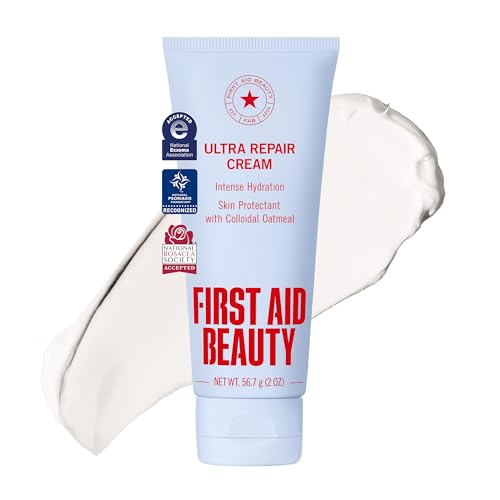
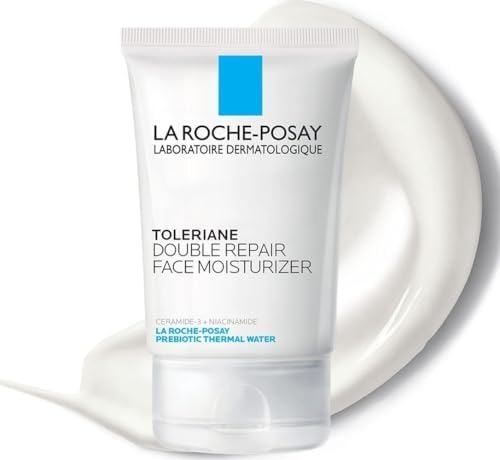
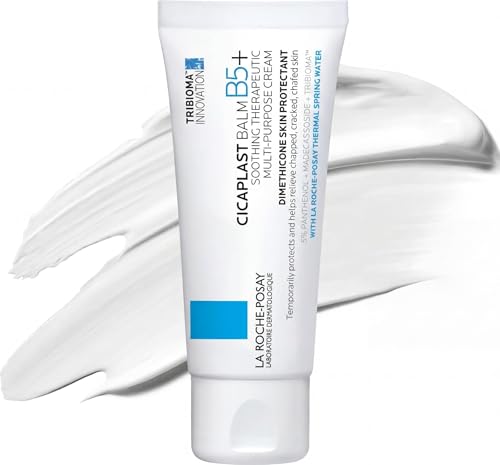
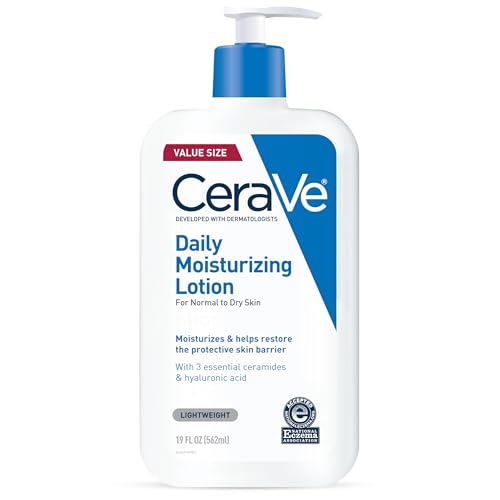
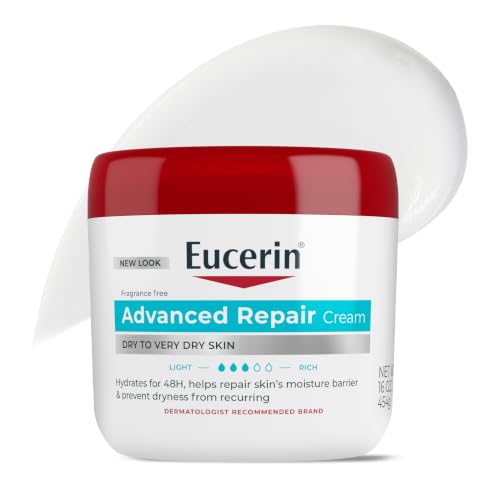
Recommended Barrier-Repair Products for Dry Skin

Key Facts
- Banana and avocado have the most defensible rationale for dry skin — one contributes water and moisture-trapping sugars, the other contributes real fat content.
- Citrus and pineapple are the fruits to avoid or minimize on already-dry, barrier-compromised skin, since their acid and enzyme activity can increase water loss and irritation.
- Papaya’s risk profile genuinely changes with ripeness — less-ripe papaya has higher enzyme activity and belongs with the fruits to avoid, not the fruits to favor.
- No fruit mask, however well-chosen, replaces a proper barrier-repair moisturizer for genuinely dry or eczema-prone skin.
What’s Inside
- Three Categories: Humectant, Occlusive, and Drying
- Banana: A Genuine Humectant Rationale
- Avocado: The Fat-Content Standout
- Papaya: Ripeness Changes Everything
- Citrus and Pineapple: Better Avoided on Dry Skin
- Comparing the Options
- Why Dry Skin Isn’t Always the Same Problem
- How to Do a Dry-Skin Fruit Facial
- Do This, Not That
- What a Fruit Mask Can’t Do for Dry Skin
- Frequently Asked Questions
- The Bottom Line
Three Categories: Humectant, Occlusive, and Drying
The most useful way to sort fruit for dry skin isn’t by name or popularity — it’s by mechanism. Humectant-leaning fruits draw and hold water in the skin’s surface layer. Occlusive or emollient-leaning fruits contribute fat content that helps slow water loss. Drying or irritating fruits actively strip surface lipids or trigger irritation, which is the opposite of what already-dry, barrier-compromised skin needs. Sorting the common fruit-facial ingredients into these three categories, rather than treating “fruit” as one undifferentiated group, is the honest way to answer which one actually helps dry skin.
Banana: A Genuine Humectant Rationale
Banana is high in natural sugars and starches, which give it a mild film-forming, moisture-trapping effect on the skin’s surface — a genuine humectant-adjacent mechanism. No dedicated clinical trial has tested a raw-banana mask specifically for dry skin, but the compositional rationale is real, and banana’s risk profile is low: no meaningful proteolytic enzyme activity and comparatively low acid content compared to citrus or pineapple.
Avocado: The Fat-Content Standout
Avocado, botanically a fruit, stands out from every other fruit in this cluster for one specific reason: it’s unusually high in monounsaturated fats compared to nearly any other fruit, giving it a genuine emollient rationale distinct from the sugar- and water-based humectant mechanism behind banana or watermelon. Avocado peel and extract studies show antioxidant activity and topical-formulation potential, though these are processed-extract studies rather than trials of raw mashed avocado applied as a mask. Even so, the fat content itself — a measurable, real compositional fact about the fruit — is the most defensible reason avocado keeps showing up in dry-skin mask recommendations.
Papaya: Ripeness Changes Everything
Most DIY fruit-facial content treats papaya as a single, undifferentiated ingredient, but ripeness genuinely changes its risk profile for dry skin. Very ripe, mashed papaya used briefly has lower enzyme activity and a meaningful water content, which can fit reasonably into the humectant-leaning category above. Less-ripe papaya carries substantially higher papain activity — the same proteolytic enzyme mechanism that digests surface proteins and triggers a documented itch-and-inflammation pathway. On a thin, already-dry, barrier-compromised skin surface, that higher enzyme activity is more likely to cause frank irritation rather than any benefit. This ripeness distinction is worth naming explicitly, since it’s the difference between a reasonable and a risky choice using the exact same fruit.
Citrus and Pineapple: Better Avoided on Dry Skin
Citrus’s acid content strips surface lipids, and the FDA-documented AHA effect of citric acid increases transepidermal water loss on top of the separately documented UV-sensitivity increase — a genuinely bad combination for skin whose barrier is already compromised by dryness. Pineapple’s bromelain enzyme digests surface proteins more aggressively than papain does, making frank irritation more likely on a thin, already-dry barrier. Both fruits carry real, named mechanisms working directly against what dry skin needs, rather than a vague “some people find it irritating” caveat.
Comparing the Options
Sorted by category rather than popularity, the reasonable choices and the ones to avoid become clear at a glance.
| Fruit | Category | Mechanism | Verdict for dry skin |
|---|---|---|---|
| Banana | Humectant-leaning | Sugars/starches, film-forming | Reasonable choice |
| Avocado | Occlusive/emollient-leaning | High monounsaturated fat content | Strongest mechanistic case |
| Papaya (very ripe) | Humectant-leaning | High water content, lower enzyme activity | Reasonable in this form only |
| Papaya (under-ripe) | Drying/irritating | High papain enzyme activity | Avoid |
| Citrus | Drying/irritating | Acid strips lipids, raises water loss and UV sensitivity | Avoid |
| Pineapple | Drying/irritating | Bromelain digests surface proteins | Avoid |
Why Dry Skin Isn’t Always the Same Problem
“Dry skin” covers at least two genuinely different situations, and the fruit-facial recommendation shifts depending on which one you actually have. Constitutionally dry skin is a lower-oil-production skin type, relatively stable across seasons and less responsive to short-term environmental changes. Environmentally or seasonally dry skin is a temporary state driven by low ambient humidity, indoor heating, cold wind exposure, or hot showers stripping surface lipids — genuinely dry skin, but a different underlying cause than a naturally low-sebum skin type. A humectant-leaning mask like banana can help either situation by drawing in surface moisture, but an emollient like avocado matters more specifically for the second, environmentally-driven category, since replacing stripped surface lipids is closer to the actual problem there than adding water content alone.
Dehydration is a third, separate concept worth distinguishing from both. Dehydrated skin lacks water specifically and can occur in skin that’s otherwise normal or even oily in terms of sebum production — which is part of why the “oily but dehydrated” pattern discussed on this site’s oily-skin guide exists at all. A fruit mask chosen for its water content, like banana or very ripe papaya, addresses dehydration more directly than it addresses constitutionally low sebum, while avocado’s fat content addresses the opposite problem. Reading your own skin’s actual pattern — does it feel tight and flaky mostly in winter, or year-round regardless of climate, or oily on the surface but still tight after cleansing — is more useful than picking a fruit based on the word “dry” alone.
How to Do a Dry-Skin Fruit Facial
Patch test first
Even low-risk fruit like banana or avocado is worth testing on the inner forearm before facial use, since individual sensitivity varies.
Combine banana and avocado
Mashed together, one contributes water and humectant sugars, the other contributes fat and emollient content — a reasonable, complementary pairing.
Apply for the full 15 to 20 minutes
Unlike acid- or enzyme-active fruit, there’s no sun-sensitivity or over-exfoliation time pressure with banana and avocado.
Avoid citrus, pineapple, and under-ripe papaya entirely
These work against an already dry or compromised barrier rather than helping it.
Follow with a proper barrier-repair moisturizer
A ceramide- or petrolatum-based moisturizer is the evidence-backed treatment for genuinely dry skin; a fruit mask is a pleasant adjunct, not a substitute.
| Fruit combination | Suggested contact time | Suggested frequency |
|---|---|---|
| Banana alone | 15–20 minutes | Up to twice weekly |
| Avocado alone | 15–20 minutes | Up to twice weekly |
| Banana + avocado combined | 15–20 minutes | Once or twice weekly |
| Very ripe papaya | 10 minutes (shorter, due to residual enzyme activity) | Once weekly |
Do This, Not That
Do
- Favor banana and avocado, alone or combined
- Use very ripe (not under-ripe) papaya if you choose to include it
- Follow every mask with a real barrier-repair moisturizer
Don’t
- Use citrus or pineapple on already-dry, compromised skin
- Assume “papaya” is one uniform ingredient regardless of ripeness
- Expect a fruit mask to replace a ceramide- or petrolatum-based moisturizer
What a Fruit Mask Can’t Do for Dry Skin
A fruit mask cannot repair a damaged skin barrier the way a formulated ceramide- or petrolatum-based moisturizer can, and it cannot substitute for medical treatment in diagnosed eczema or other barrier-disorder conditions. Even the best-suited fruit combination here offers a temporary, surface-level hydration boost, not a structural repair of the skin barrier’s lipid composition. The skin barrier itself is built from a specific ratio of ceramides, cholesterol, and free fatty acids arranged in an organized lipid matrix between skin cells; genuinely repairing a compromised version of that structure requires replacing those specific lipids in something close to their natural ratio, which is what a ceramide-formulated moisturizer is designed to do and a mashed banana or avocado simply isn’t formulated to replicate, however much real fat content avocado happens to contain.
Anyone with diagnosed eczema, chronic dry-skin flaring, or a compromised barrier from another underlying condition is better served starting with a dermatologist than experimenting further with DIY masks. That’s not a dismissal of the fruit-mask ritual itself — it’s a matter of matching the tool to the problem: a pleasant, low-cost, occasional cosmetic step for mild, everyday dryness is a different situation from a diagnosed barrier disorder that needs a targeted medical treatment plan.
Frequently Asked Questions
Which fruit is best for dry skin?
Avocado has the strongest mechanistic case, through genuine fat content, and banana offers a reasonable humectant-leaning option; combining the two is a common, sensible pairing.
Is papaya good for dry skin?
Only in a very ripe form with lower enzyme activity; under-ripe papaya has higher papain activity and is more likely to irritate an already-dry barrier.
Why is citrus bad for dry skin?
Its acid content strips surface lipids and increases both water loss and UV sensitivity, working directly against an already-compromised skin barrier.
Can I use pineapple on dry skin?
It’s better avoided — bromelain’s protein-digesting activity is more likely to cause frank irritation on a thin, already-dry surface.
How long should I leave a dry-skin fruit mask on?
15 to 20 minutes is reasonable for banana or avocado, since neither carries the sun-sensitivity or over-exfoliation time pressure that acid or enzyme fruits do.
Can a fruit mask replace my moisturizer?
No. Even the best-suited fruit combination offers temporary surface hydration, not the structural barrier repair a ceramide- or petrolatum-based moisturizer provides.
Is banana and avocado together a good combination?
Yes — banana contributes water and humectant sugars while avocado contributes fat and emollient content, making them reasonably complementary.
Should I patch test even low-risk fruit like banana?
Yes. Lower risk isn’t the same as risk-free, and individual sensitivity varies regardless of a fruit’s general reputation.
Does ripeness really matter for papaya on dry skin?
Yes — ripeness genuinely changes papain enzyme activity, turning the same fruit from a reasonable to a risky choice depending on how ripe it is.
When should I see a dermatologist instead of using fruit masks?
If you have diagnosed eczema, chronic flaring, or a compromised barrier from another condition, since a fruit mask cannot substitute for medical treatment.
The Bottom Line
Banana and avocado offer the most defensible fruit choices for dry skin, through genuine humectant and emollient mechanisms respectively, while citrus, pineapple, and under-ripe papaya work against an already-compromised barrier and are better avoided. No fruit mask, however well-chosen, replaces a proper barrier-repair moisturizer as the evidence-backed treatment for genuinely dry or eczema-prone skin.