Do Gel Face Masks Work?
Do gel face masks work the way the packaging claims, or is most of what’s marketed around them just unregulated skincare language?
Yes, gel face masks genuinely work for their core purpose — peer-reviewed research shows measurable hydration and firmness improvements from regular use, driven by occlusion and humectant delivery that reduces water loss through the skin. What doesn’t hold up is the marketing built around them: “detox” isn’t a real skin function, and claims about permanently shrinking pores misrepresent what’s actually a fixed anatomical structure.
The strongest studies behind gel masks are still relatively small, and dermatologists caution specifically against the overnight-wear trend, since occlusion much beyond the recommended time can trigger the redness and irritation the mask is supposed to prevent.
This guide separates the real evidence from the marketing myths, and covers exactly how to use a gel mask to actually get the hydration benefit the research supports.
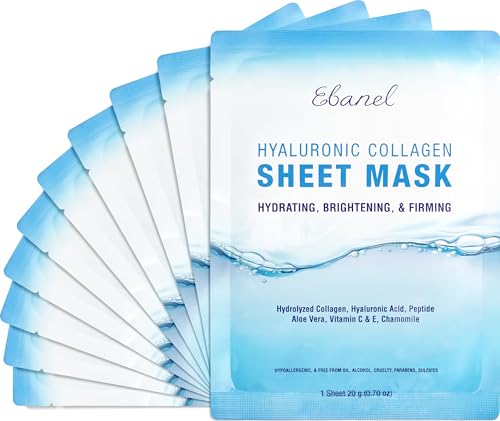
Recommended Hydrogel Face Masks

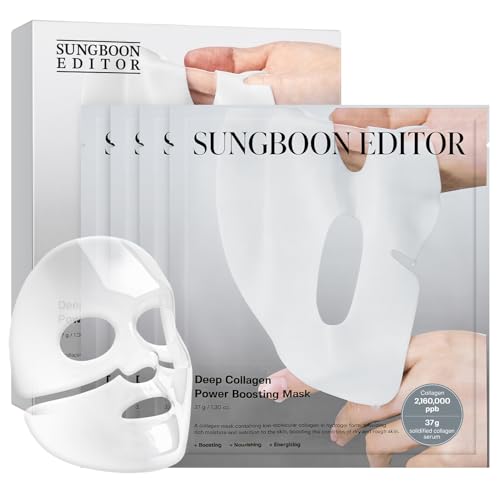
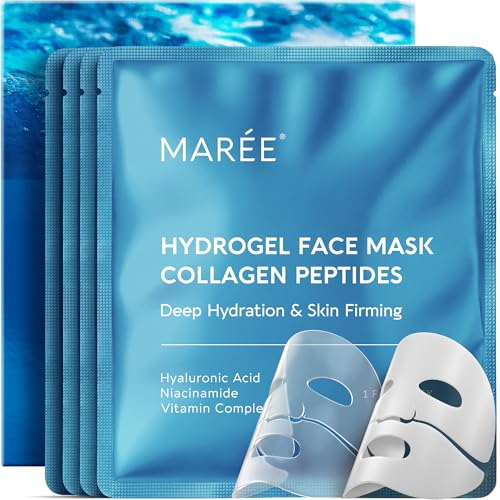



Key Facts
- A 2026 hydrogel-mask study (Rokita et al., International Journal of Cosmetic Science) found real improvements in hydration and firmness after six weeks of regular use, with no irritation even among reactive-skin participants — though the trial was small and its authors explicitly called for larger, controlled follow-up research.
- Gel masks work primarily through occlusion and humectant delivery, measurably reducing water loss through the skin — a distinct mechanism from clay masks (oil absorption) or cream masks (emollient occlusion).
- “Detox” claims on gel-mask packaging are unregulated marketing language, not a mechanism skin actually performs, and leaving a mask on far longer than directed can trigger the redness and barrier disruption it’s supposed to prevent.
Jump To
- What Gel Masks Actually Are
- How Gel Masks Work
- Gel vs. Clay vs. Cream Masks
- What the Research Actually Shows
- The “Detox” Myth
- Do Gel Masks Shrink Pores?
- Why Overnight Wear Is Riskier Than It Sounds
- How to Use a Gel Mask Properly
- How Often to Use One
- What Gel Masks Cost
- Getting Real Results
- A Note for Sensitive Skin
- When a Mask Isn’t Enough
- Frequently Asked Questions
- The Bottom Line
What Gel Masks Actually Are
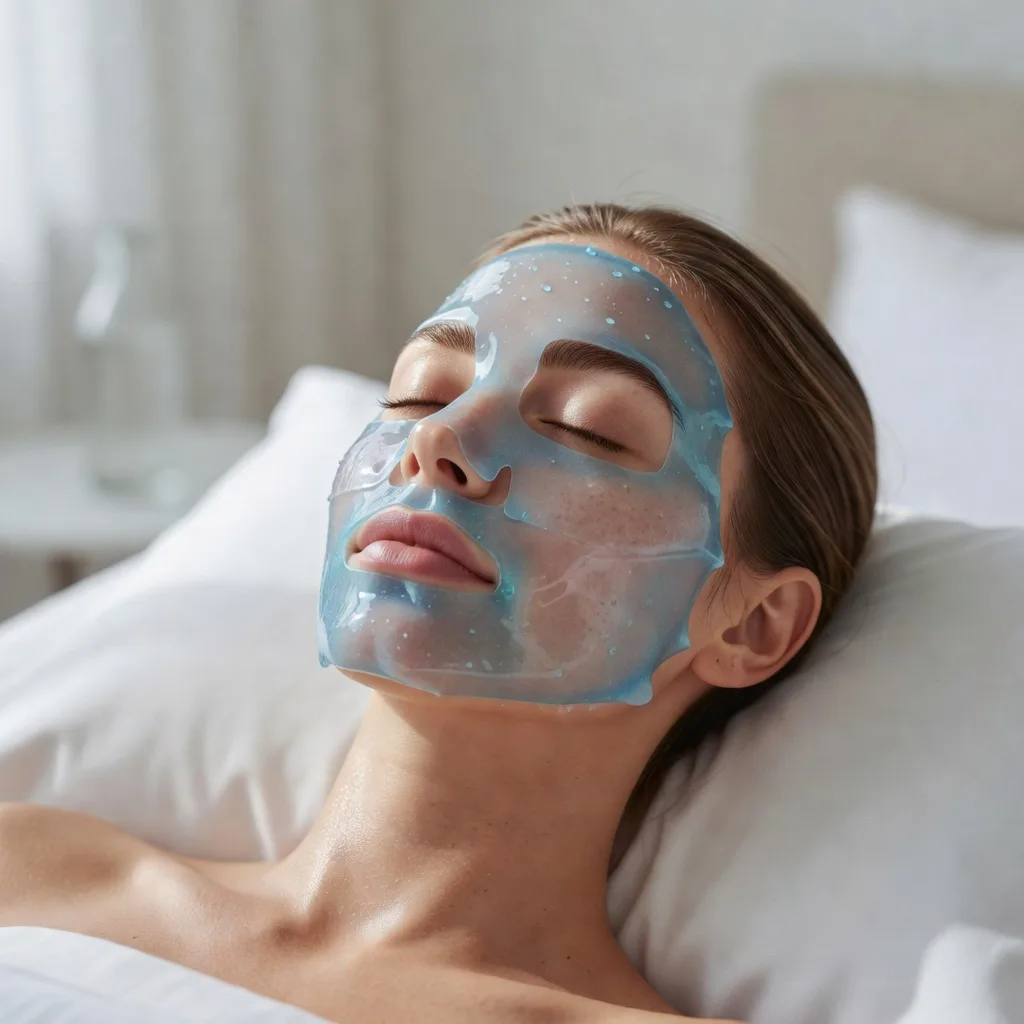
Gel face masks, most commonly formulated as hydrogels, are water-based masks built to hold and deliver moisture rather than absorb oil or exfoliate. They typically come as a pre-shaped sheet or a spreadable gel, and their defining feature is a high water content combined with humectant ingredients that draw and hold moisture at the skin’s surface.
They’re distinct from the older, thinner “gel” formulas that were really just a lightweight moisturizer in a jar. Modern hydrogel masks use a cross-linked polymer structure that can hold far more water than a standard gel product, which is part of why they’ve become a distinct category worth studying on their own rather than lumping in with every water-based skincare product on the market.
How Gel Masks Work
The mechanism is straightforward: occlusion plus humectant delivery. The gel layer temporarily seals the skin surface, reducing transepidermal water loss (TEWL) — the rate at which water evaporates from skin — while humectant ingredients pull moisture into the outer skin layers. A 2025 clinical trial cited in physician commentary found a significant immediate reduction in TEWL during use, with measurable hydration and elasticity gains over 28 days of regular application.
The high water content of the gel itself also plays a direct role, separate from the humectants it carries. Because a hydrogel mask is mostly water by weight, simply having it in sustained contact with the skin surface for the recommended wear time allows some of that water to be absorbed directly into the outer skin layers, on top of whatever active ingredients the formula includes. That’s part of why even a fairly simple hydrogel formula, without elaborate added ingredients, can still produce a noticeable short-term plumping effect.
Gel vs. Clay vs. Cream Masks
Choosing between the three often comes down to what your skin is actually doing that day, more than a fixed skin-type rule. Skin can run oily in the T-zone and dehydrated along the cheeks at the same time, which is why some people reasonably keep more than one mask type on hand rather than committing to a single format for every use.
| Mask Type | Primary Mechanism | Best For |
|---|---|---|
| Gel / hydrogel | Occlusion + humectant hydration | Dehydrated, dry, or dull-looking skin |
| Clay | Oil absorption, mild exfoliation | Oily or congested skin |
| Cream | Occlusive, emollient, lower water content | Very dry or mature skin needing lipid replenishment |
What the Research Actually Shows
The Rokita et al. 2026 study ran a patch-safety test on 30 volunteers, ages 18 to 75 including a sensitive-skin group, followed by an extended six-week trial with 15 participants using the mask three times weekly. Results showed no irritation even in the reactive-skin group, along with improved hydration and firmness, while barrier function, sebum, skin color, and pH remained unchanged. A separate 2024 peer-reviewed evaluation (Janssens-Böcker et al., Journal of Cosmetic Dermatology) examined a native collagen sheet mask with similarly positive findings. Both studies are real, peer-reviewed work — but both authors flagged small sample sizes, and neither is a large, placebo-controlled trial.
The “Detox” Myth
Do Gel Masks Shrink Pores?
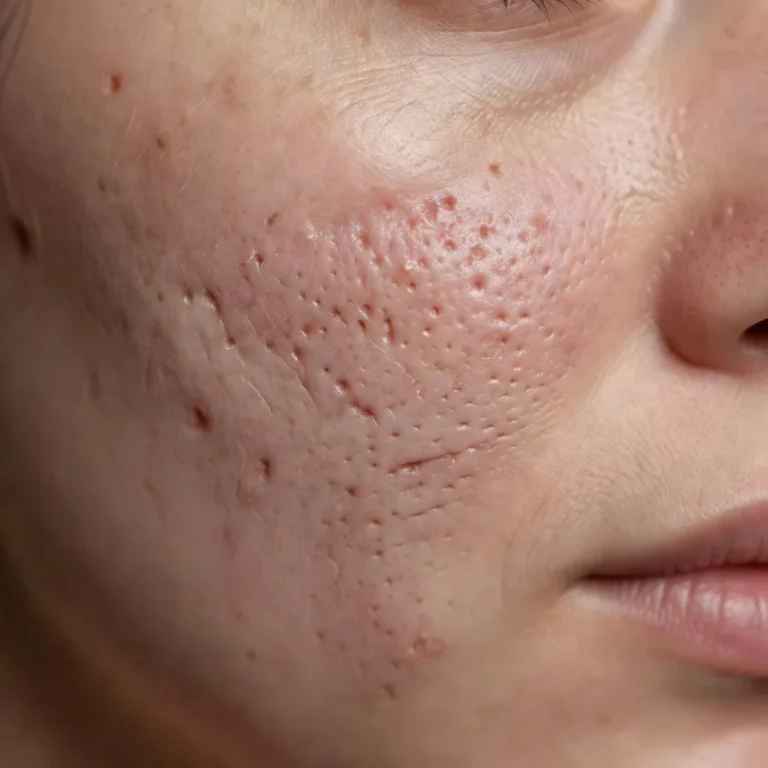
Not permanently. Pores are fixed anatomical openings, and the American Academy of Dermatology’s own consumer guidance on large pores focuses on reducing the appearance of clogging, oiliness, and skin laxity — not shrinking pore structure itself. A gel mask can make pores look smaller temporarily by improving hydration and surface smoothness, but it isn’t altering their underlying size.
Why Overnight Wear Is Riskier Than It Sounds
How to Use a Gel Mask Properly
Start with a clean face
Remove makeup and cleanse so the mask contacts skin directly rather than sitting on top of residue.
Apply evenly
Smooth a sheet mask flat against the skin or spread a gel formula in an even layer, avoiding the eye area unless the product is designed for it.
Time it
Leave it on for the manufacturer’s stated time — typically 15 to 20 minutes — rather than extending it for “better results.”
Remove and pat in the residue
Take off the sheet or rinse a gel formula, then gently pat any remaining serum into the skin rather than rinsing it all away.
Seal with moisturizer
Follow with a moisturizer to lock in the hydration the mask just delivered, especially in dry climates.
How Often to Use One
The strongest available evidence used a three-times-weekly cadence over six weeks to produce measurable hydration and firmness gains, which is a reasonable starting frequency for most skin types. Daily use isn’t necessary for a hydration-focused mask and offers little established additional benefit over a few sessions per week.
That said, the right frequency still depends on your skin’s baseline hydration and your climate. Someone in a dry climate or with naturally dehydrated skin might find three times weekly genuinely useful for maintaining comfort, while someone with naturally well-hydrated, oilier skin might only need a gel mask occasionally, as a targeted response to specific dryness rather than a fixed routine step. There’s no evidence that more frequent use compounds the benefit beyond what the studied cadence already captured.
What Gel Masks Cost
| Format | Typical Price Range |
|---|---|
| Single-use sheet mask | $2 – $15 per mask |
| Jar or tube gel mask (multiple uses) | $15 – $60 |
| Professional in-spa hydrogel treatment | $40 – $120 as an add-on service |
Price within each format tends to track ingredient sophistication more than the base hydrogel technology itself, since the underlying water-and-polymer structure is relatively inexpensive to produce. A $2 sheet mask and a $15 sheet mask are often delivering a broadly similar core hydration mechanism, with the price difference reflecting added actives, packaging, or brand positioning rather than a fundamentally different technology.
Getting Real Results
Do
- Follow the stated wear time rather than assuming longer is better
- Pair a gel mask with a moisturizer afterward to lock in hydration
- Choose a gel mask specifically for dehydration or dullness, not for oil control
Don’t
- Sleep in a standard gel or sheet mask overnight
- Expect permanent pore-size reduction from any mask
- Trust “detox” claims as a literal description of what the product does
A Note for Sensitive Skin
When a Mask Isn’t Enough
A gel mask addresses surface hydration, not diagnosed skin conditions like eczema, rosacea flares, or persistent barrier damage. If dryness or irritation persists despite consistent, correctly timed mask use, that’s a signal to see a dermatologist rather than escalating to longer wear times or stronger formulas on your own.
It’s worth being honest with yourself about which category you’re in. Occasional tightness after cleansing that a gel mask genuinely improves is a normal hydration issue well within a mask’s scope. Ongoing redness, flaking, stinging with most products, or visible inflammation is a different situation entirely, and no amount of masking — gel, cream, or otherwise — substitutes for an actual diagnosis of what’s driving it.
Frequently Asked Questions
Do gel face masks actually work?
Peer-reviewed research shows real hydration and firmness improvements with regular use, though the strongest studies are still small-sample and call for larger follow-up trials.
How is a gel mask different from a clay mask?
Gel masks hydrate through occlusion and humectants; clay masks work by absorbing oil and providing mild exfoliation — they suit different skin goals.
Can I sleep in a gel mask overnight?
Standard gel masks aren’t formulated for that long, and prolonged occlusion can trigger redness and barrier disruption rather than extra benefit.
Do gel masks really detox the skin?
No — “detox” is unregulated marketing language, not a documented function of skin or of the mask itself.
Will a gel mask shrink my pores?
Not permanently. It can temporarily improve their appearance through better hydration and surface smoothness, but pore size itself doesn’t change.
How often should I use a gel mask?
Around three times a week is a reasonable starting point, based on the cadence used in the strongest available research.
Are gel masks safe for sensitive skin?
Research including a sensitive-skin group found no irritation at standard wear times, though patch-testing a new product is still a sensible precaution.
Should I moisturize after a gel mask?
Yes — following up with a moisturizer helps lock in the hydration the mask just delivered.
Do gel masks work for oily skin?
They’re built for hydration, not oil control, so a clay mask is generally a better match for oily or congested skin.
How long should I leave a gel mask on?
Follow the manufacturer’s stated time, typically 15 to 20 minutes — longer isn’t more effective and can increase irritation risk.
The Bottom Line
Gel masks have real, peer-reviewed evidence behind their core hydration benefit, which puts them a step ahead of a lot of skincare marketing — but that evidence supports a specific use case (surface hydration, short wear times, regular but not daily use), not the detox claims or overnight-wear trends that often get attached to them. Use one as directed, skip the marketing language, and it’s a genuinely useful addition to a hydration-focused routine.