Why Have a Facial? The Real Reasons
Why have a facial when a good home routine already covers cleansing, exfoliation, and moisturizing?
The real, defensible reasons are professional-strength extraction under sterile conditions, access to higher-concentration actives, and expert skin assessment — while the widely repeated “31 percent cortisol drop” relaxation statistic comes from a methodology a more rigorous 2010 meta-analysis found overstates the effect. NCCIH’s own consumer summary doesn’t list stress relief as an evidence-backed massage benefit at all.
Claims like “detoxifies your skin” don’t hold up physiologically, since detoxification is handled by the liver, kidneys, and other organs, not skin.
This guide separates the real, mechanistic benefits from the marketing claims that don’t survive closer evidence review.
Recommended At-Home Products to Pair With Professional Facials
What You Should Know
- The real, defensible reasons to get a professional facial are access to sterile extraction, higher-concentration actives, and expert skin assessment — not “detox,” which isn’t something skin physiologically does.
- The widely-repeated “31% cortisol drop from massage” statistic comes from a 2005 review using a methodology a more rigorous 2010 meta-analysis found overstates the effect; the real evidence for a relaxation benefit is more contested than commonly presented.
- NCCIH, the NIH’s own center for this kind of evidence, does not list stress relief as an evidence-backed benefit of massage in its consumer summary.
- A single facial’s glow or smoothness is genuinely temporary; skin cell turnover and oil production return to baseline within days.
Contents
- What This Question Is Really Asking
- The Real, Defensible Benefits
- The Relaxation Claim, Examined Closely
- What NCCIH Actually Says
- The “Detox” Myth
- The “Boosts Circulation to Cure X” Myth
- The “Permanent Results” Myth
- Professional Facial vs. Home Routine
- Who Actually Benefits Most
- Claimed Benefit vs. Evidence Strength
- Real Safety Considerations
- Do This, Not That
- Deciding If a Facial Is Worth It for You
- What This Article Can’t Tell You
- Frequently Asked Questions
What This Question Is Really Asking
“Why have a facial” usually gets answered with a mix of genuinely defensible reasons and marketing language that doesn’t hold up under scrutiny. This guide separates the two: what a professional facial can actually, mechanistically do that a home routine can’t, versus what’s commonly claimed but isn’t well supported by evidence, including the relaxation benefit itself, which is more contested than most spa marketing suggests.
The Real, Defensible Benefits
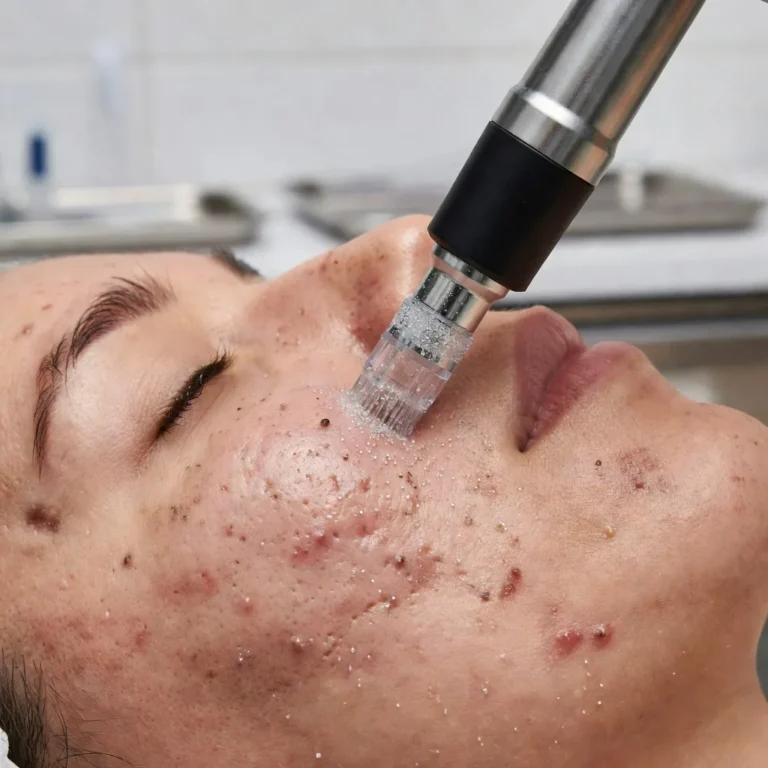
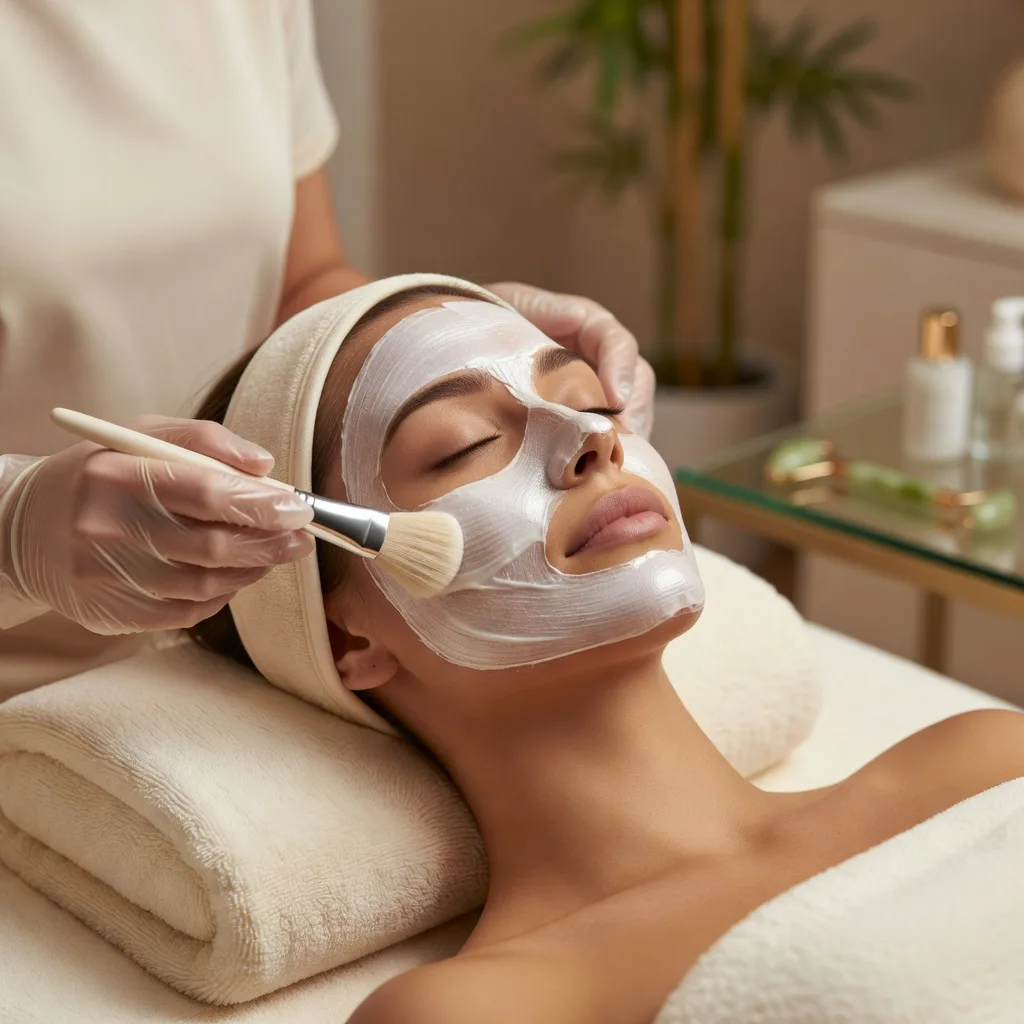
Three benefits hold up under scrutiny. First, professional-strength extraction: a trained esthetician can safely extract comedones under better lighting, magnification, and sterile conditions than most people can manage on themselves at home, reducing the real risk of self-inflicted trauma from picking. Second, access to higher-concentration actives and modalities: professional peels, enzyme treatments, and steam-assisted extraction use tools and concentrations that aren’t available or safely self-administered in a retail skincare routine. Third, expert assessment: a trained esthetician looking closely at your skin can flag things worth knowing (a reaction pattern, a texture change) that inform a better home routine going forward, even if the single facial session itself doesn’t fix them.
The Relaxation Claim, Examined Closely
This is the most nuanced part of the whole question, and it’s worth getting right rather than repeating the commonly cited number uncritically. A widely cited 2005 review by researchers at the Touch Research Institute pooled results across multiple massage-therapy trials and reported an average 31 percent decrease in cortisol, alongside increases in serotonin and dopamine. That figure gets repeated constantly in spa marketing. But a more rigorous 2010 meta-analysis re-examined the same territory using proper between-groups effect sizes, rather than the within-group percentage-change method the earlier review relied on, which the 2010 authors explicitly say produces misleading results. Using the more rigorous method, massage’s effect on cortisol came out “almost all small and nonsignificant” — not statistically distinguishable from zero in most of the studies reviewed. The one partial exception was a moderate effect in children given repeated massage, but that finding rested on only three studies and carries real publication-bias risk.
What NCCIH Actually Says
NCCIH, the NIH’s National Center for Complementary and Integrative Health, is arguably the most authoritative single source on this question, and its own consumer-facing summary does not list stress or relaxation as an evidence-backed benefit of massage. Its evidence focus is musculoskeletal pain, and even there it describes the supporting evidence as low to very low quality. NCCIH does note that massage has a good overall safety profile, with only rare serious adverse events such as blood clots, nerve injury, or fracture, mostly tied to vigorous technique or vulnerable patients. The honest summary: touch plausibly affects mood and stress hormones through real biochemical pathways, and the subjective experience of relaxation during a facial is real and worth valuing on its own terms, but it is not the same as a clinically proven, quantified medical stress-reduction treatment, and claiming otherwise overstates what the evidence currently supports.
The “Detox” Myth
“Detoxifies your skin” is one of the most common claims in facial marketing, and it doesn’t hold up physiologically. Detoxification, in the actual medical sense of clearing metabolic waste and toxins from the body, is handled by the liver, kidneys, immune system, and lungs — not the skin, and not a facial. A facial genuinely removes surface dirt, oil, dead skin cells, and makeup residue, which is a real and worthwhile mechanical cleaning benefit, but it is not detoxification in any physiological sense, and no facial ingredient or technique pulls toxins out of your body through your pores.
The “Boosts Circulation to Cure X” Myth
Facial massage and steam do genuinely, measurably increase local blood flow, but the increase is modest and temporary, lasting roughly as long as the flush of warmth and pinkness you can see right after a treatment. There is no clinical evidence that this transient circulation boost cures or treats any skin condition. It’s a real, plausible mechanism behind a temporary “glow,” not a documented therapeutic pathway for acne, aging, or any diagnosed skin disorder.
The “Permanent Results” Myth
Any visible improvement from a single facial — smoother texture, a brighter look, reduced surface oil — is genuinely temporary. Skin cell turnover continues on its own biological schedule regardless of a single treatment, and oil production returns to its baseline pattern within days. A facial can be a real, worthwhile part of an ongoing skincare routine, but framing any single session as producing lasting change misrepresents how skin biology actually works.
Professional Facial vs. Home Routine
| What you get | Professional facial | Home routine |
|---|---|---|
| Extraction | Sterile tools, magnification, trained hands | Higher self-trauma risk without training |
| Active ingredient strength | Higher-concentration peels/enzymes available | Limited to retail-strength concentrations |
| Expert assessment | Trained eye on your specific skin | Self-assessment only |
| Relaxation experience | Real subjective value, contested biochemical evidence | Comparable subjective value from a self-care routine |
Who Actually Benefits Most
People with visibly congested skin who want professional-grade extraction, people considering higher-concentration actives they can’t safely access at retail strength, and people who simply value the guided, expert assessment of their skin are the clearest beneficiaries of a professional facial over a home routine alone. People whose skin is already well managed with an effective home routine are less likely to see a dramatic difference from occasional facials, beyond the real but temporary glow and the genuine, valid self-care value of the experience itself.
Claimed Benefit vs. Evidence Strength
| Claimed benefit | Evidence strength |
|---|---|
| Professional extraction quality | Strong, mechanistically defensible |
| Access to stronger actives | Strong, regulatory-gap-based, defensible |
| Stress/cortisol reduction | Contested; earlier figures likely overstated per 2010 re-analysis |
| “Detoxifies” skin/body | Not supported; misuses the term physiologically |
| Cures a skin condition via circulation | Not supported; circulation increase is real but not therapeutic |
| Permanent single-session results | Not supported; effects are temporary |
Real Safety Considerations
Facials are generally low-risk for healthy skin, but extraction technique genuinely matters. Poor technique can cause micro-trauma, prolonged redness, or post-inflammatory hyperpigmentation, and that risk is higher in darker skin tones and on actively inflamed acne. This is a real reason to choose a trained, reputable provider rather than treating “which spa is cheapest” as the only relevant factor.
Do This, Not That
Do
- Value the real, mechanistic benefits (extraction, stronger actives, expert eyes) on their own honest terms.
- Treat the relaxation experience as a legitimate, worthwhile part of self-care, even with contested biochemical evidence.
- Choose a reputable, trained provider over the cheapest option, especially if you want extractions.
Don’t
- Don’t expect a facial to “detoxify” your body or skin in any physiological sense.
- Don’t expect a single session’s results to last beyond your skin’s normal turnover cycle.
- Don’t repeat the “31% cortisol drop” figure as settled science — it’s contested.
Deciding If a Facial Is Worth It for You
Identify your actual goal
Extraction, stronger actives, self-care time, or a mix — name it honestly before booking.
Check whether your home routine already covers it
If your skin is well managed at home, a facial adds relaxation value more than dramatic skin change.
Choose based on training, not just price
Ask about extraction technique and sanitation practices directly.
Set realistic expectations for duration of results
Plan for temporary glow, not lasting transformation, from any single session.
Decide on frequency separately from the “why”
How often you go is a separate question from whether a facial is worth doing at all.
What This Article Can’t Tell You
This guide can’t tell you whether a facial is “worth it” for your specific budget or skin goals — that’s a personal calculation involving your skin’s actual needs, your home routine’s effectiveness, and how much you value the self-care experience itself. What it can tell you honestly is which commonly repeated claims (detox, circulation-cures-conditions, permanent results, a settled 31 percent cortisol drop) don’t hold up under closer evidence review, so you can make that personal calculation with more accurate information.
Frequently Asked Questions
What are the real benefits of getting a professional facial?
The clearest, most defensible benefits are professional-strength extraction under sterile conditions, access to higher-concentration actives than retail products, and expert assessment of your skin.
Do facials actually reduce stress and cortisol?
The evidence is contested. An often-cited 2005 review reported a 31 percent cortisol drop, but a more rigorous 2010 meta-analysis using better methodology found the effect was mostly small and not statistically significant.
Do facials detoxify your skin or body?
No. Detoxification is handled by the liver, kidneys, immune system, and lungs, not the skin. Facials clean the skin’s surface, which is a real but different benefit from “detox.”
Does the circulation boost from a facial cure skin conditions?
No. The circulation increase from massage and steam is real but modest and temporary, and there’s no clinical evidence it treats or cures any diagnosed skin condition.
Are the results of a single facial permanent?
No. Any glow or texture improvement is temporary; your skin’s turnover and oil production return to baseline within days.
What does NCCIH say about massage’s evidence base?
NCCIH’s consumer summary does not list stress relief as an evidence-backed benefit of massage, and even its musculoskeletal-pain evidence is described as low to very low quality.
Is it safe to get a facial with active, inflamed acne?
It can be, but aggressive extraction on inflamed (not just comedonal) lesions carries real risk of worsening inflammation or scarring, so it’s worth discussing with your provider beforehand.
Is a facial better than just doing a good home skincare routine?
Neither replaces the other. A facial adds professional extraction and stronger actives; a good home routine provides consistent daily maintenance a single session can’t replicate.
Why do facials feel so relaxing if the cortisol evidence is contested?
Subjective relaxation from touch and a dedicated self-care experience is real and valuable on its own terms, even though the specific claim of a large, proven cortisol drop is not well supported by rigorous evidence.
Who benefits most from getting professional facials?
People with visibly congested skin wanting professional extraction, people wanting access to stronger actives than retail products, and people who value expert skin assessment benefit most clearly.