Does Needle Count Matter for Microneedling?
Does needle count matter for microneedling your scalp, or is it a spec that mostly matters to marketing copy?
The clinical trial that made scalp microneedling popular never tested needle count at all — it tested needle length (1.5mm) and a once-weekly routine, paired with topical minoxidil. No published trial has ever compared 12-needle, 36-needle, or any other count head-to-head for hair outcomes.
That gap matters, because plenty of product marketing implies a specific needle count is the key variable behind results, when the actual research points to length, frequency, and technique instead.
This guide covers what the foundational study really measured, what real safety data says about at-home use, and which variables are actually worth paying attention to.
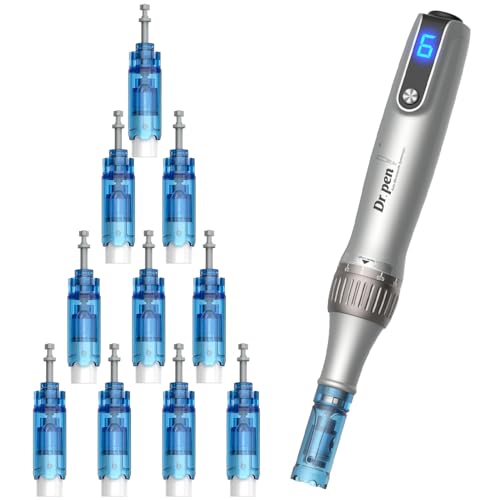
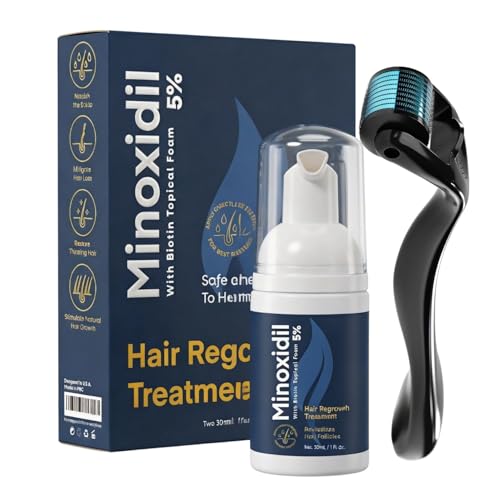
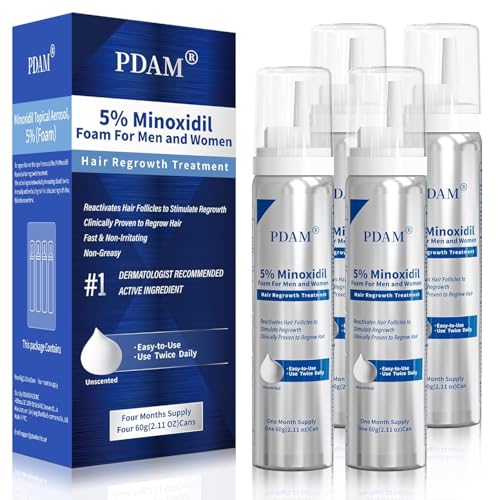
Recommended Scalp Microneedling Tools and Hair Growth Products


The Need-to-Know
- The study that made scalp microneedling popular never tested needle count at all — it tested needle length (1.5mm) and weekly frequency.
- No peer-reviewed trial has ever compared 12-needle, 36-needle, or any other needle-count roller against another for hair outcomes.
- Needle length, technique, and pairing with topical minoxidil are the variables the actual evidence supports — not the number stamped on the packaging.
- At-home microneedling carries real, if uncommon, risks: infection, scarring, and rare hypersensitivity reactions have all been documented.
Where to Click
- The Study That Started the Trend Tested Length, Not Count
- What Needle Length Actually Does
- What the Research Says About Needle Count
- How At-Home Rollers Compare to the Clinical Device
- Do This, Not That
- The Real Risks of At-Home Scalp Microneedling
- Getting the Variables That Actually Matter Right
- A Note on Combining It With Minoxidil
- How to Approach a Scalp Microneedling Routine
- Is There a Way to Know Your Ideal Setup at Home?
- When to Loop In a Dermatologist
- What This Evidence Doesn’t Tell Us
- Frequently Asked Questions
The Study That Started the Trend Tested Length, Not Count
Nearly every product that markets a specific needle count for scalp microneedling — 12 needles, 36 needles, 192 needles — traces its credibility back to the same landmark paper: Dhurat et al.’s 2013 randomized, evaluator-blinded pilot study in the International Journal of Trichology. It’s worth reading what that study actually tested, because it isn’t needle count.
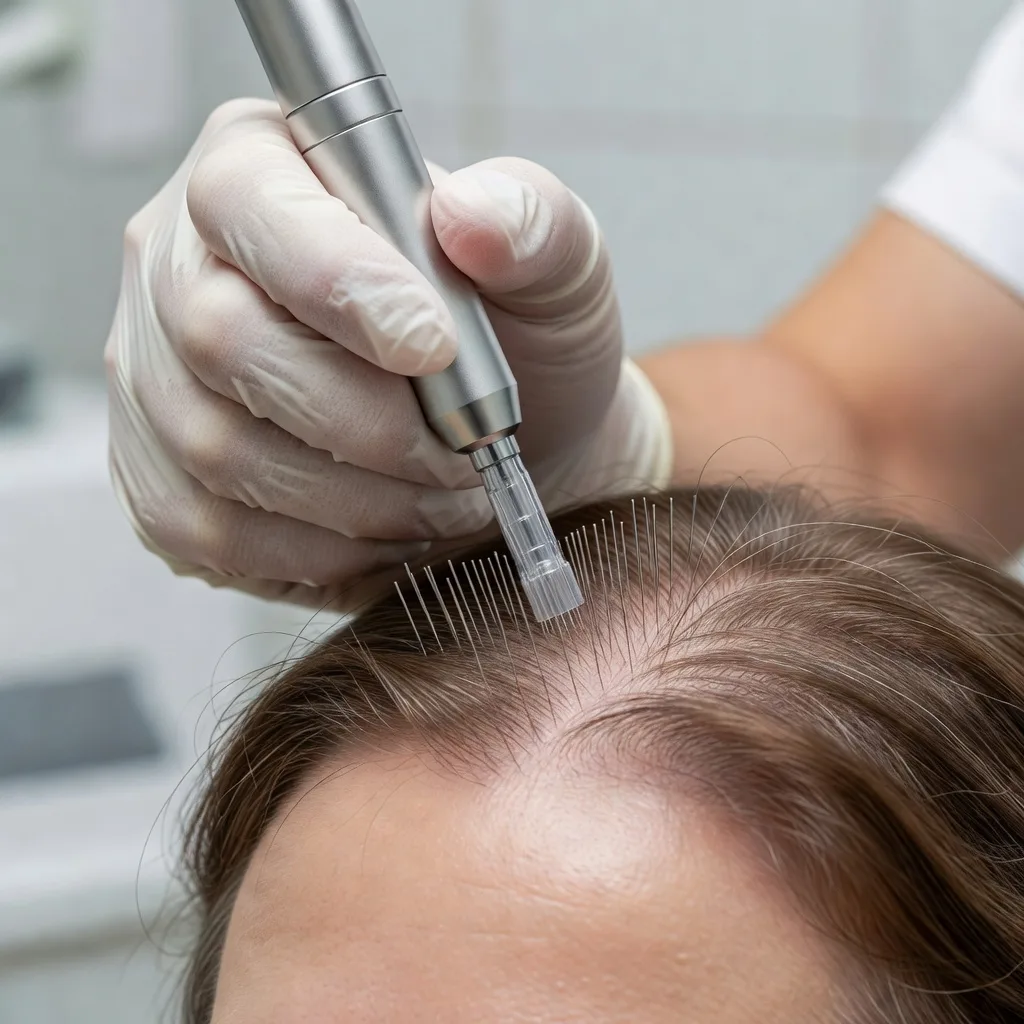
The trial enrolled 100 men with mild-to-moderate androgenetic alopecia. Half used a standard dermaroller once a week plus 5% topical minoxidil twice daily; the other half used a placebo roller (needles retracted, no skin contact) plus the same minoxidil regimen, for 12 weeks. The device was a generic dermaroller with 1.5mm needles, rolled in vertical, horizontal, and diagonal directions until the scalp showed mild, even erythema — the endpoint was a visible skin response, not a needle count.
The results were striking: the microneedling group’s average hair count rose by 91.4 hairs over 12 weeks, versus 22.2 in the minoxidil-only group, a statistically significant difference. Forty percent of the microneedling group achieved what researchers rated “excellent” improvement, and 82% reported at least a 50% improvement in hair growth. Those numbers are why microneedling-for-hair took off. But nowhere in the methodology is a needle count mentioned, tested, or varied — the paper’s entire device description centers on needle length (1.5mm) and rolling technique.
What Needle Length Actually Does
Needle length determines how deep the microneedle actually punctures — from the superficial epidermis down toward the deeper dermis, where the wound-healing cascade that seems to matter for hair growth (release of platelet-derived growth factors, activation of stem cells in the hair follicle bulge) is thought to occur. Later research has specifically tested length as a variable. A 2021 study by Faghihi and colleagues compared 0.6mm and 1.2mm microneedling depths, both combined with minoxidil, and found the shallower 0.6mm depth performed comparably to the deeper one — suggesting that once you’re deep enough to trigger the wound-response mechanism, going deeper doesn’t necessarily buy you more benefit. Other pooled analyses have identified roughly 1.5mm, matching Dhurat’s original protocol, as a commonly cited effective depth.
A 2024 systematic review and meta-analysis in the Journal of Cosmetic Dermatology pooling multiple randomized trials of combined microneedling therapy for androgenetic alopecia found real, consistent benefit when microneedling was added to standard treatment — but the review’s authors also noted that the included trials reported device specifications inconsistently, making needle length (let alone needle count) difficult to standardize across the literature. That inconsistency is itself a useful, honest data point: even the studies that show microneedling works aren’t rigorously comparing device parameters against each other.
What the Research Says About Needle Count
Here is the direct answer: no peer-reviewed clinical trial has ever compared different needle counts against each other for scalp or hair outcomes. Not 12 versus 36, not 192 versus 540, not any pairing. The entire “more needles is better” or “fewer needles is gentler” framing that shows up in product marketing is not something dermatology research has tested one way or the other.
Even sellers in this space tend to acknowledge the gap when asked directly. One widely read hair-health industry blog states plainly that “higher needle count does not automatically mean better results,” while citing zero clinical studies for its own needle-count recommendations — it simply repeats an industry convention that most rollers use somewhere between 192 and 540 needles, with diminishing returns claimed above roughly 720. That’s a reasonable-sounding rule of thumb, but it’s marketing consensus, not clinical evidence.
| What’s commonly claimed | What the research actually shows |
|---|---|
| “A 36-needle roller distributes pressure more evenly than a 12-needle roller” | No trial has measured pressure distribution, hair outcomes, or side effects by needle count |
| “More needles means faster coverage and better results” | Dhurat’s original study and its replications tested needle length (1.5mm) and weekly frequency, not count |
| “Fewer needles means deeper, more effective punctures” | Depth is set by needle length, not by how many needles share the roller head; a 12-needle and 36-needle roller of the same needle length puncture to the same depth |
How At-Home Rollers Compare to the Clinical Device
It’s also worth being clear about what “the Dhurat study” tested versus what a typical consumer roller looks like today. The original trial used a plain, unbranded dermaroller under controlled conditions, in a study visit, with a defined technique and endpoint (visible mild erythema, not a timer or a pass count). Consumer devices marketed today vary enormously in needle count, needle material, needle length precision, and build quality — and none of those specific consumer products were the device tested in the trial that’s used to sell them.
| Variable | Dhurat 2013 clinical protocol | Typical consumer product marketing |
|---|---|---|
| Needle length | 1.5mm, fixed and reported | Often listed, sometimes inconsistently across sizing charts |
| Needle count | Not reported or controlled as a variable | Frequently the headline marketing spec |
| Frequency | Once weekly, specified | Varies widely by brand instructions, from weekly to several times a week |
| Endpoint | Mild, even erythema across the treated area | Rarely specified; often just “roll until done” |
Do This, Not That
Do
- Choose a needle length near 1.5mm if you’re trying to replicate the studied protocol, and confirm it with calipers or the manufacturer’s stated spec, not just the box art.
- Roll until you see mild, even redness across the treated area, then stop — that’s the endpoint the original research actually used.
- Pair it with a consistent topical minoxidil routine if hair regrowth is the goal, since that’s the combination the evidence supports.
- Replace your roller or pen cartridge on a regular schedule and store it dry to reduce infection risk.
Don’t
- Don’t choose a product based on needle count alone — it isn’t a studied variable, and a higher number doesn’t mean a better roller.
- Don’t microneedle over active scalp infection, open sores, or a recent sunburn.
- Don’t share a roller or pen head with anyone else, even a family member.
- Don’t assume more frequent use is automatically better; the studied protocol was once weekly, not daily.
The Real Risks of At-Home Scalp Microneedling
The more common, expected effects — and not really “side effects” so much as the intended, mild wound response — were erythema lasting one to seven days, mild-to-moderate pain during the procedure (averaging around 5.4 to 5.56 out of 10 in the pooled studies), brief swelling, occasional post-inflammatory hyperpigmentation, and pinpoint bleeding. The review’s authors concluded that microneedling appears to be a safe treatment overall, with severe adverse events relatively rare, but specifically flagged that home-use devices need more attention to infection control and patient education than a supervised in-clinic session, where technique and sterility are controlled by a trained operator.
Getting the Variables That Actually Matter Right
A Note on Combining It With Minoxidil
How to Approach a Scalp Microneedling Routine
Confirm your needle length
Look for a roller or pen with a needle length close to 1.5mm, the figure used in the original clinical trial, rather than shopping by needle count.Sterilize before every use
Soak the roller head in isopropyl alcohol for several minutes before each session, and let it air dry completely before storing it.Roll to the endpoint, not a timer
Work in vertical, horizontal, and diagonal passes across the treatment area until you see mild, even redness — that was the actual stopping point in the clinical protocol.Apply your minoxidil afterward
The evidence base pairs microneedling with a consistent topical minoxidil routine; apply it right after your session, once the scalp has been cleaned.Stick to roughly once a week
The studied frequency was weekly, not daily, and more frequent use hasn’t been shown to improve on that schedule.
Is There a Way to Know Your Ideal Setup at Home?
Honestly, no reliable at-home test tells you whether a given needle count, or even a given needle length beyond the general 1.5mm range, is “right” for your specific scalp. There’s no consumer diagnostic for follicle depth or scalp thickness that would let you fine-tune a device beyond what the published protocol already specifies. The most useful practical substitute is simply tracking your own mild-erythema endpoint each session and watching for any adverse signs — excessive pain, prolonged redness beyond a day or two, or signs of infection — rather than assuming a more expensive or higher-count device is doing something measurably different under the hood.
When to Loop In a Dermatologist
See a dermatologist before starting at-home scalp microneedling if you have an active scalp condition (psoriasis, active infection, open sores), are on blood thinners, have a history of keloid scarring, or if your hair loss pattern doesn’t look like typical androgenetic alopecia — sudden patchy loss, broken hairs, or scalp scarring can point to conditions microneedling won’t help and could aggravate. A dermatologist can also discuss prescription-strength options and combination protocols that go beyond what a home device and over-the-counter minoxidil can offer.
What This Evidence Doesn’t Tell Us
To be direct about the limits here: the foundational trial was a 100-patient pilot study, not a large multi-center trial, and it tested one specific device and protocol. Needle count, the exact question this article is built around, has simply never been studied as an independent variable in any published trial we could locate. That’s a real evidence gap, not a settled “no difference” finding — it just means the marketing claims on either side of the needle-count debate are unsupported by data, not disproven by it.
Frequently Asked Questions
Does needle count matter for scalp microneedling?
No published clinical trial has tested needle count as a variable, so there’s no evidence that a higher or lower count changes hair-growth outcomes on its own.
What needle length should I use for scalp microneedling?
Around 1.5mm is the figure used in the original clinical trial that established microneedling’s benefit alongside minoxidil, and it’s a reasonable reference point.
How often should I microneedle my scalp?
The studied protocol used sessions once a week, not daily, and more frequent use hasn’t been shown to improve on that schedule.
Do I need minoxidil for microneedling to work?
The strongest evidence is specifically for microneedling combined with topical minoxidil, not for microneedling used entirely on its own.
Is at-home scalp microneedling safe?
Generally yes for most people when done with clean equipment and a reasonable technique, though rare risks including infection, scarring, and hypersensitivity reactions have been documented.
Can microneedling regrow hair on its own?
The evidence that exists tested it as an addition to minoxidil, not as a standalone treatment, so its effect used alone hasn’t been rigorously established.
What does “mild erythema” mean as a stopping point?
It means light, even redness across the treated scalp area, which is the visible endpoint the original clinical protocol used to signal a session was complete.
Can microneedling damage my scalp if I use the wrong needle count?
Needle count itself hasn’t been linked to damage in the literature; documented risks are more closely tied to non-sterile equipment and technique than to the number of needles.
How long before microneedling shows hair-growth results?
The original 12-week trial showed a measurable difference in hair count by that point when paired with minoxidil, though individual timelines vary.
Should I see a dermatologist before starting scalp microneedling at home?
It’s worth a visit first if you have an active scalp condition, take blood thinners, have a history of keloid scarring, or your hair loss doesn’t look like typical pattern loss.